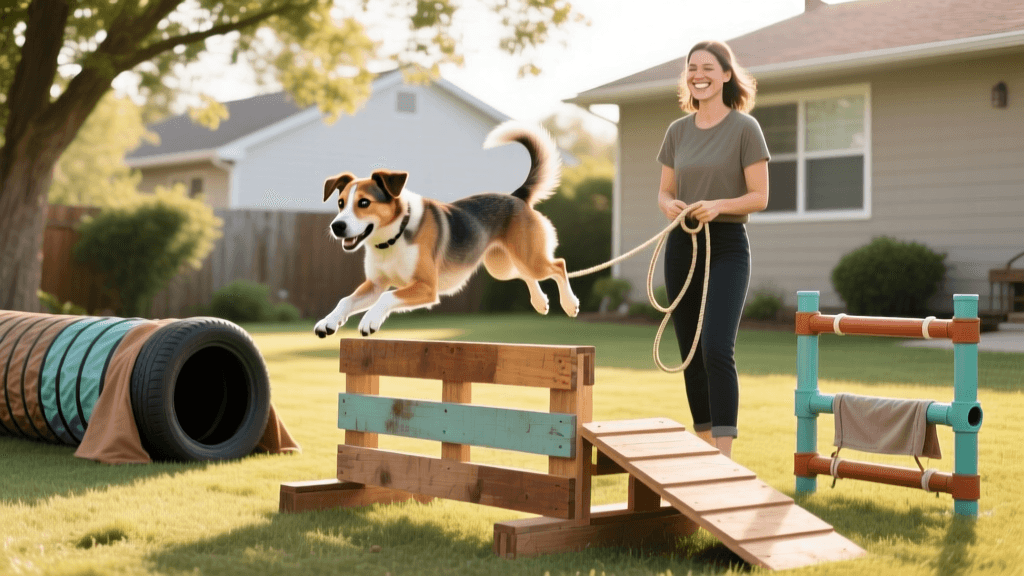
The Ultimate Daily Training Schedule for Your Dog's Mental Wellness
Discover how to integrate short obedience training sessions into your dog's daily wellness routine for better behavior, mental health, and bonding.

Why Mental Stimulation is a Core Pillar of Canine Wellness
When we think of dog wellness, our minds often jump straight to physical health: joint supplements, balanced diets, and daily exercise. However, cognitive enrichment is just as critical to your dog's overall well-being. A dog that is physically exhausted but mentally under-stimulated is still prone to anxiety, destructive behaviors, and chronic stress. Integrating obedience training into your dog's daily wellness routine transforms a behavioral chore into a powerful tool for mental health, emotional regulation, and deep bonding.
According to the ASPCA's dog training guidelines, consistent, positive-reinforcement training provides dogs with a sense of structure and predictability. This predictability is a cornerstone of canine mental wellness, as it reduces environmental anxiety and builds confidence. By treating training not as a weekly class, but as a daily wellness habit, you can dramatically improve your dog's quality of life. Just ten to fifteen minutes of focused mental work can tire a dog out as much as an hour-long walk, making it an essential component of a holistic daily schedule.
Designing a Wellness-Focused Daily Training Schedule
To successfully integrate training into your dog's daily routine without causing burnout, you must break the sessions down into micro-doses. Dogs thrive on routine, and aligning training sessions with their natural circadian rhythms and daily wellness activities (like meals and walks) creates seamless habit stacking. Below is a comprehensive breakdown of how to structure a training-infused wellness schedule for an adult dog.
Morning: Focus and Impulse Control
Mornings are when your dog's cognitive battery is fully charged after a night of sleep. This is the optimal time for exercises that require high impulse control and focus. Instead of simply placing a food bowl on the floor, use your dog's breakfast as a training tool. Practice commands like wait, leave it, and place. If your dog eats two cups of kibble a day, measure out half a cup for a morning training session. This not only slows down their eating (promoting better digestive wellness) but also establishes a calm, focused mindset for the day ahead.
Midday: Scent Work and Decompression
Midday is perfect for low-arousal mental stimulation, especially if you are away at work or if your dog is resting in a crate. The American Kennel Club's training resources frequently highlight the benefits of scent work and puzzle toys for mental decompression. Scent work taps into a dog's primary sensory system, lowering their heart rate and reducing cortisol levels. Hide a portion of their daily kibble around the living room or use a snuffle mat. This independent problem-solving builds confidence and provides a soothing, meditative mental workout that promotes emotional stability.
Evening: Trick Training and Bonding
As the day winds down, shift the focus to relationship-building trick training. This is the time for fun, low-stakes behaviors like spin, shake, or roll over. Keep these sessions incredibly short—no more than three to five minutes. The goal here is not rigorous obedience but rather joyful engagement and the release of endorphins through positive social interaction. This evening ritual signals to your dog that the day is ending, helping to transition their nervous system into a restful state for the night.
Sample Daily Wellness and Training Schedule
The following table illustrates how to seamlessly weave training into a standard daily wellness routine. This schedule assumes an adult dog with moderate energy levels.
| Time | Activity | Duration | Wellness & Training Focus |
|---|---|---|---|
| 7:00 AM | Breakfast & Impulse Control | 10 mins | Focus, patience, and digestive pacing |
| 8:30 AM | Decompression Sniffari Walk | 30 mins | Sensory enrichment and joint mobility |
| 12:30 PM | Midday Puzzle Toy / Snuffle Mat | 15 mins | Independent problem-solving and anxiety reduction |
| 5:30 PM | Structured Obedience Walk | 20 mins | Leash manners, heel work, and environmental neutrality |
| 8:00 PM | Trick Training & Grooming | 5 mins | Bonding, endorphin release, and cooperative care |
Actionable Metrics: Treats, Timing, and Duration
To ensure your training routine supports physical wellness rather than detracting from it, you must carefully manage caloric intake and session lengths.
The 10% Caloric Rule
The American Veterinary Medical Association (AVMA) emphasizes that treats and training rewards should never make up more than 10% of your dog's daily caloric intake to prevent obesity and nutritional imbalances. For a 50-pound dog requiring roughly 900 calories a day, your training treat budget is 90 calories. To maximize your training time without overfeeding, use high-value, low-calorie treats. Products like Zuke's Mini Naturals (approx. 3 calories per treat) or Charlie Bear Crunchies are excellent choices. Alternatively, reserve 25% of your dog's daily kibble ration exclusively for training sessions.
Optimal Session Durations
Long, drawn-out training sessions lead to cognitive fatigue and frustration. The ideal training session for mental wellness should last between 3 to 5 minutes. If you have a 15-minute window, it is vastly superior to run three separate 5-minute sessions with decompression breaks in between, rather than one continuous 15-minute drill. This spacing effect (distributed practice) is scientifically proven to improve memory retention in canines while keeping stress levels low.
Timing Your Rewards
The timing of your reward delivery is crucial for behavioral conditioning. A treat must be delivered within 1.5 seconds of the desired behavior to create a clear neurological association. Using a treat pouch (like the Ruffwear Treat Trader) keeps rewards accessible and ensures your timing remains sharp, preventing the confusion and frustration that can negatively impact your dog's emotional wellness.
Adapting the Schedule for Different Life Stages
A one-size-fits-all approach does not work for canine wellness. You must adapt your daily training schedule to your dog's specific life stage and physical capabilities.
- Puppies (8 weeks to 6 months): Puppies have incredibly short attention spans and require frequent naps for physical and neurological development. Limit training to 1 to 2 minutes per session, focusing on socialization, handling, and basic name recognition. Their daily schedule should feature 4 to 5 micro-sessions rather than structured blocks.
- Adult Dogs (1 to 7 years): This is the prime window for complex obedience and endurance-based mental tasks. The schedule outlined in the table above is ideal for this demographic, balancing physical exercise with rigorous cognitive challenges like distance commands and off-leash reliability.
- Senior Dogs (8+ years): Cognitive decline and physical ailments like osteoarthritis require a gentler approach. Shift away from high-impact obedience (like rapid sit-stand repetitions) and focus heavily on scent work, target training (touching a target stick), and cooperative care grooming. Mental stimulation in seniors is vital for delaying the onset of Canine Cognitive Dysfunction (CCD).
Recognizing Cognitive Fatigue vs. Behavioral Frustration
A critical part of managing a daily wellness routine is knowing when to stop. Pushing a dog past the point of cognitive fatigue can lead to stress, which entirely defeats the purpose of wellness-focused training. Learn to read your dog's subtle stress signals.
Signs of Cognitive Fatigue: Your dog may start scratching excessively, yawning when not tired, sniffing the ground intently, or offering random, unprompted behaviors (like sitting or lying down repeatedly) in a desperate attempt to 'guess' what you want. When you see these signs, the session is over. Give a 'jackpot' reward, release them with a cheerful 'all done,' and allow them to rest.
Signs of Behavioral Frustration: Barking, mouthing, nipping, or walking away and refusing to engage. This usually means the criteria for the behavior was raised too quickly, or the environment is too distracting. Lower your expectations, return to a foundational command they know well, reward heavily, and end on a positive note.
Conclusion
Integrating obedience training into your dog's daily wellness routine is one of the most profound ways to enhance their quality of life. By viewing training through the lens of mental health and cognitive enrichment, you move away from the archaic idea of 'breaking' a dog's bad habits and toward the modern, science-backed practice of building a confident, emotionally balanced companion. Stick to short, positive sessions, respect your dog's caloric and cognitive limits, and watch as your daily routine transforms into a powerful ritual of mutual trust and holistic wellness.
hannah-wickes
All our authors care for dogs every day — read more of their work on the authors page.