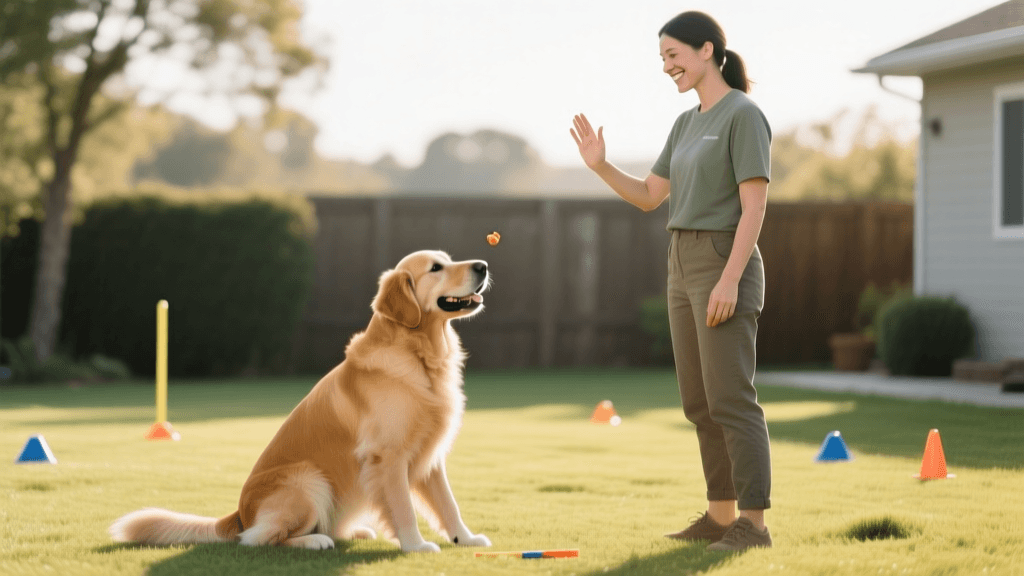
Daily Dog Training Schedule For Optimal Canine Wellness
Discover how to integrate obedience training into your dog's daily wellness routine. Learn scheduling, timing, and mental enrichment tips for a happier pet.

The Intersection of Obedience Training and Canine Wellness
When most dog owners think of wellness routines, they immediately picture high-quality kibble, daily walks, and annual veterinary check-ups. However, true canine wellness extends far beyond physical health. Mental stimulation, behavioral conditioning, and structured obedience training are foundational pillars of a healthy, balanced dog. According to the American Veterinary Medical Association (AVMA), comprehensive pet care must address both the physical and behavioral needs of the animal to prevent stress-related illnesses and destructive habits.
Integrating training into your dog's daily schedule is not about creating a rigid, military-style boot camp. Instead, it is about weaving micro-sessions of mental enrichment into your existing routine. This approach reduces canine anxiety, strengthens the human-animal bond, and fulfills your dog's innate need for purpose and problem-solving. In this guide, we will explore how to build a daily training schedule that promotes optimal wellness, complete with specific timings, gear recommendations, and actionable techniques.
The Science of Mental Stimulation and Behavioral Health
Dogs are intelligent, working animals. When left without mental challenges, they often create their own "jobs," which usually manifest as unwanted behaviors like excessive barking, chewing, or digging. Behavioral conditioning through daily training tires a dog's brain just as effectively as a long run tires their legs. In fact, veterinary behaviorists often note that 15 minutes of focused obedience training or scent work can be as physically exhausting for a dog as a 45-minute walk.
Furthermore, structured routines provide a sense of security. Dogs thrive on predictability. When training sessions are tied to daily wellness milestones—such as mealtimes, bathroom breaks, and bedtime—dogs learn to anticipate and engage with their environment calmly. The RSPCA emphasizes that short, positive reinforcement-based training sessions are the most effective way to build confidence and ensure long-term behavioral wellness without overwhelming the animal.
Building the Perfect Daily Training Schedule
To successfully integrate training into your dog's wellness routine, you must break the process down into manageable, bite-sized sessions. Below is a structured daily schedule designed for an adult dog or an older puppy. This routine balances high-focus obedience with decompression and socialization.
| Time of Day | Wellness Goal | Training Focus | Duration | Recommended Activity |
|---|---|---|---|---|
| Early Morning (6:30 AM) | Mental Activation | Basic Obedience | 10 Minutes | Kibble-fed recall and sit-stays |
| Midday (12:00 PM) | Decompression | Scent Work & Socialization | 20 Minutes | Sniffari walk and environmental exposure |
| Late Afternoon (4:30 PM) | Impulse Control | Boundary Training | 5 Minutes | Place command and threshold manners |
| Evening (8:00 PM) | Wind-Down | Trick Teaching & Bonding | 10 Minutes | Shaping new tricks and gentle massage |
Morning: Capitalizing on Fasted Focus (6:30 AM - 6:45 AM)
The morning is the prime time for focused obedience training. After a night of sleep, your dog's mind is alert, and their motivation for food is at its peak. Instead of feeding your dog their morning meal in a bowl, use their daily allotment of kibble as training rewards. This is a highly cost-effective method that prevents overfeeding while maximizing engagement.
Actionable Routine: Spend 10 minutes practicing foundational cues like "sit," "down," "recall," and "watch me." If your dog requires higher value rewards, mix in a few pea-sized pieces of freeze-dried liver (costing roughly $15 for a 4oz bag that lasts months). Keep the energy upbeat and end the session on a successful note before putting the leash on for the morning bathroom break.
Midday: Decompression and Socialization (12:00 PM - 12:30 PM)
Midday wellness is all about environmental exposure and nervous system regulation. The Centers for Disease Control and Prevention (CDC) highlights that proper socialization and environmental familiarity are critical components of behavioral conditioning that significantly reduce the risk of fear-based aggression and dog bites.
Actionable Routine: Take your dog on a "Sniffari" walk using a 15-foot to 30-foot long line (an essential $20 investment for safe decompression). Allow the dog to lead the way and sniff as much as they desire. Sniffing lowers a dog's heart rate and releases dopamine. During this walk, practice "check-ins" by rewarding your dog with a treat every time they voluntarily look back at you. This builds engagement in highly distracting environments without the pressure of formal heel work.
Late Afternoon: Impulse Control and Boundaries (4:30 PM - 4:35 PM)
As the household becomes busier in the late afternoon, dogs often become overstimulated. This is the perfect time to practice impulse control, which acts as a mental brake for an excited dog.
Actionable Routine: Practice the "Place" command. Direct your dog to a specific raised cot or mat. Reward them for staying on the mat while you perform household chores, open the front door, or prepare dinner. Start with 30-second durations and gradually work up to 5 minutes. This conditions the dog to self-soothe and settle, a vital skill for long-term anxiety prevention.
Evening: Trick Teaching and Wind-Down (8:00 PM - 8:15 PM)
Evening sessions should be low-stress and focused on bonding. Trick teaching is an excellent way to engage your dog's problem-solving skills without the strict rules of obedience training.
Actionable Routine: Use a clicker (a simple $3 tool) to "shape" a new trick, such as "spin," "target," or "chin rest." Shaping involves rewarding incremental steps toward a final behavior. This builds immense confidence in shy or anxious dogs. Follow the 10-minute training session with a gentle physical massage, focusing on the ears, chest, and base of the tail to promote the release of oxytocin and prepare the dog for sleep.
Essential Gear and Measurements for Daily Routines
To execute this daily wellness schedule effectively, you need the right tools. Here is a breakdown of the essential gear, measurements, and estimated costs to set up your training routine for success:
- Treat Pouch ($15 - $25): A silicone-lined, easily washable pouch that clips to your waist. This ensures treats are accessible within 1.5 seconds of the desired behavior, which is the optimal window for canine associative learning.
- High-Value Treats ($10 - $20): Boiled chicken breast, low-sodium string cheese, or commercial freeze-dried treats. Measurement Rule: Treats should be the size of a green pea (roughly 1 to 2 calories each). This allows for 30 to 50 repetitions per session without causing gastrointestinal upset or obesity.
- Long Line ($15 - $25): A 15-foot to 30-foot biothane or cotton leash. This provides the dog with the illusion of being off-leash while maintaining safety and control during midday socialization walks.
- Raised Training Cot ($30 - $50): Elevated beds provide a clear physical boundary for the "Place" command, making it easier for the dog to understand when they are "on" or "off" their designated spot.
Tracking Progress and Adjusting the Routine
A wellness routine is only effective if it adapts to your dog's evolving needs. Keep a simple training journal on your smartphone or refrigerator. Note the date, the behavior practiced, the distraction level (rated 1 to 10), and your dog's success rate. If you notice your dog consistently failing at a specific time of day, they may be experiencing mental fatigue. In such cases, pivot to a passive enrichment activity, such as a frozen Kong or a snuffle mat, rather than pushing through a frustrating obedience session.
Remember that behavioral conditioning is a marathon, not a sprint. By viewing training not as a chore, but as a vital component of your dog's daily wellness and mental health, you will cultivate a more resilient, focused, and deeply bonded companion.
Conclusion
Integrating obedience training, behavioral conditioning, and socialization into your dog's daily wellness schedule transforms training from a stressful obligation into a natural, rewarding rhythm of life. By utilizing fasted focus in the morning, decompression walks at midday, and impulse control in the evening, you address the holistic needs of your canine companion. Equip yourself with the right gear, keep your sessions short and positive, and watch as your dog's physical and mental wellness flourish in tandem.
priya-sutaria
All our authors care for dogs every day — read more of their work on the authors page.