Living With Brachycephalic Dogs: Daily Care and Genetic Health
Discover practical daily routines, environmental tips, and genetic health insights for living happily and safely with brachycephalic dog breeds.

Sharing your life with a brachycephalic dog—such as a French Bulldog, Pug, Boston Terrier, or Cavalier King Charles Spaniel—is a uniquely rewarding experience. These breeds are renowned for their affectionate, clownish, and deeply loyal personalities. However, their distinct flat-faced anatomy, a result of selective breeding for a shortened skull, brings a specific set of genetic health profiles and daily care requirements that every responsible owner must understand. Living with a brachycephalic breed goes far beyond standard dog ownership; it requires a proactive approach to environmental management, specialized daily routines, and a deep understanding of their genetic predispositions.
Understanding Brachycephalic Obstructive Airway Syndrome (BOAS)
The defining genetic trait of these breeds is their shortened muzzle, which unfortunately does not proportionally reduce the soft tissues inside their respiratory tract. This anatomical mismatch leads to Brachycephalic Obstructive Airway Syndrome (BOAS). According to the British Veterinary Association (BVA), BOAS is characterized by narrowed nostrils (stenotic nares), an elongated soft palate, and a narrowed windpipe (hypoplastic trachea). These structural anomalies force the dog to work significantly harder to breathe, which can lead to chronic inflammation, gastrointestinal issues like acid reflux, and severe heat intolerance.
As a pet parent, recognizing that "snoring" and "snorting" are not merely cute quirks but clinical signs of respiratory distress is the first step in providing a high quality of life for your dog. Managing BOAS requires a combination of lifestyle adjustments, environmental control, and sometimes surgical intervention to widen the airways.
Designing a Safe Daily Routine
Exercise and Temperature Control
Brachycephalic dogs still require daily exercise to maintain a healthy weight, as obesity severely exacerbates respiratory distress by adding pressure to the diaphragm. However, exercise must be carefully managed. During warmer months, limit walks to 15 to 20 minutes during the coolest parts of the day (early morning or late evening). If the outdoor temperature exceeds 75°F (24°C), it is safer to transition to indoor enrichment activities, such as snuffle mats or short training sessions in an air-conditioned room.
Always carry a portable water bottle and a collapsible bowl. Watch for early signs of overheating, which include excessive panting, a dark red or purple tongue, and a reluctance to keep moving. Investing in a high-quality cooling mat, such as the Green Pet Shop Dog Cooling Mat or the K&H Pet Products Cool Bed III (typically costing between $30 and $60), can provide a safe, temperature-regulated resting spot after physical activity.
Harnesses vs. Collars
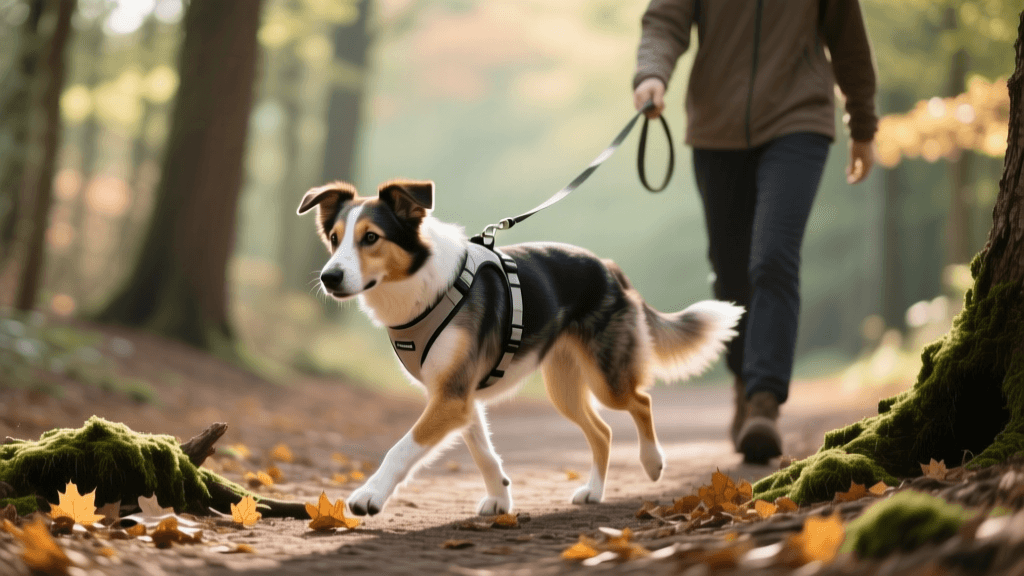
Never use a traditional neck collar for walking a brachycephalic dog. Pressure on the trachea from a collar can trigger coughing fits, worsen hypoplastic trachea conditions, and restrict an already compromised airway. Always use a well-fitted, front-clip or dual-clip harness. Products like the Ruffwear Front Range Harness or the 2 Hounds Design Freedom No-Pull Harness distribute pressure across the chest and shoulders, keeping the neck entirely free from tension.
Environmental Modifications for Your Home
Sleeping Arrangements and Joint Support
Because brachycephalic dogs often suffer from compromised breathing, their sleeping environment must be optimized. Many of these breeds, particularly French Bulldogs and Pugs, also carry genetic predispositions to spinal issues like Intervertebral Disc Disease (IVDD) and joint problems such as hip dysplasia. To prevent the strain of jumping on and off furniture, provide pet stairs or a sturdy ramp next to your bed or sofa. Orthopedic memory foam beds with bolsters can help keep their airways open by encouraging a slightly elevated head position during sleep.
Feeding and Hydration
Dogs with BOAS frequently swallow excess air while eating and drinking, leading to painful gas, bloating, and regurgitation. To mitigate this, utilize a slow-feeder bowl, such as the Outward Hound Fun Feeder, which forces the dog to eat at a slower, more deliberate pace. Additionally, slightly elevating their food and water bowls (about 4 to 6 inches off the ground, depending on the dog's height) can reduce the angle of the neck and make swallowing easier, minimizing the risk of aspiration.
Genetic Health Profiles and Proactive Testing
Understanding your dog's genetic blueprint is a cornerstone of modern, responsible pet ownership. The RSPCA strongly advocates for prospective owners to seek out breeders who perform comprehensive health screening. If you have adopted a brachycephalic dog of unknown lineage, commercial DNA test kits (like Embark or Wisdom Panel, costing approximately $150 to $200) can provide invaluable insights into their genetic health risks.
Beyond basic ancestry, specific genetic and physical screenings should be discussed with your veterinarian. Below is a comparison chart of recommended health profiles and tests for common brachycephalic breeds:
| Health Screening / Test | Purpose & Genetic Relevance | Estimated Cost | Recommended Breeds |
|---|---|---|---|
| BOAS Functional Grading | Assesses the physical severity of airway obstruction and exercise tolerance. | $100 - $250 | All Brachycephalic Breeds |
| Degenerative Myelopathy (DM) | DNA test for a progressive spinal cord disease leading to paralysis. | Included in DNA Panels | Pugs, French Bulldogs |
| Hyperuricosuria (HUU) | DNA test for a mutation causing high uric acid and bladder/kidney stones. | Included in DNA Panels | French Bulldogs, Bulldogs |
| Hip & Patella Evaluation | X-ray and physical exams to check for dysplasia and luxating patellas. | $150 - $300 | Boston Terriers, Pugs |
| Cardiac Echocardiogram | Screening for congenital heart defects and pulmonary hypertension secondary to BOAS. | $300 - $500 | Cavalier King Charles Spaniels, French Bulldogs |
Pro Tip: If you are planning to breed your dog, or if you purchased from a breeder, always request the official health certificates from the Orthopedic Foundation for Animals (OFA). Responsible breeders will openly share these genetic health profiles to prove they are actively working to improve the breed's longevity and welfare.
Recognizing Respiratory Distress
Living with a brachycephalic dog means you must become an expert in reading their body language. Because they cannot pant as efficiently as long-nosed breeds to cool down, they can transition from "warm" to "heatstroke" in a matter of minutes. You must know the signs of an impending respiratory crisis:
- Cyanosis: A bluish or purple tint to the gums and tongue, indicating a severe lack of oxygen.
- Syncope: Fainting or collapsing after mild exertion or excitement.
- Retractions: The skin around the ribs and neck pulling in deeply with each breath.
- Prolonged Recovery: Taking more than 5 to 10 minutes to return to a normal breathing rate after a short walk.
If you observe any of these signs, immediately move your dog to an air-conditioned environment, offer small sips of cool (not ice-cold) water, and contact an emergency veterinarian. In severe cases, oxygen therapy or emergency intubation may be required to save the dog's life.
Conclusion
Life with a brachycephalic dog is filled with immense joy, companionship, and unique personality traits that are hard to find elsewhere. However, their genetic health profiles demand a higher level of vigilance, environmental adaptation, and financial preparedness from their owners. By implementing safe exercise routines, modifying your home to support their joints and airways, and staying proactive with genetic testing and veterinary care, you can ensure your flat-faced companion lives a comfortable, happy, and fulfilling life by your side.
jonas-cole
All our authors care for dogs every day — read more of their work on the authors page.