Vet & Trainer Q&A: Curing Severe Leash Reactivity
A veterinary behaviorist and certified dog trainer answer top questions on curing leash reactivity, including gear, thresholds, and desensitization.

Expert Q&A: Overcoming Leash Reactivity
Leash reactivity is one of the most frustrating and emotionally draining behavioral issues a dog owner can face. Whether your dog barks, lunges, or whines at the sight of other dogs, bicycles, or strangers, the daily walk can quickly turn into a source of anxiety. To separate fact from fiction, we sat down with Dr. Elena Rostova, a board-certified Veterinary Behaviorist (DACVB), and Marcus Vance, a Certified Professional Dog Trainer (CPDT-KA), to discuss the science, gear, and actionable protocols required to rehabilitate a reactive dog.
Q1: Is My Dog Aggressive or Just Reactive?
Dr. Rostova (Veterinary Behaviorist): This is the most common question I receive in the clinic. Reactivity and aggression are not synonymous. Reactivity is an overreaction to a specific stimulus, usually rooted in fear, frustration, or lack of socialization. Aggression is the intent to do harm. According to the ASPCA's guidelines on canine aggression, most leash-reactive dogs are actually exhibiting 'barrier frustration' or fear-based reactivity. The leash acts as a physical barrier that prevents the dog from exhibiting normal greeting behaviors or fleeing from a perceived threat, triggering a 'fight or flight' response. When the amygdala hijacks the brain, cortisol and adrenaline flood the system, making learning impossible in that exact moment. Our goal is to keep the dog under their stress threshold so the prefrontal cortex remains engaged.
Q2: What is the Best Walking Gear for a Reactive Dog?
Marcus (Dog Trainer): You cannot train a dog that is choking itself. Flat nylon or chain collars put immense pressure on the trachea and thyroid gland when a dog lunges, which can actually increase reactivity by associating the sight of another dog with physical pain. I strictly prohibit prong, choke, or shock collars for reactivity, as punishment suppresses the warning signs of fear without addressing the underlying emotional state. Instead, we rely on humane management tools that give you leverage without causing harm.
| Gear Type | Recommended Product | Estimated Cost | Best For | Pros & Cons |
|---|---|---|---|---|
| Front-Clip Harness | Ruffwear Front Range | $39.95 | Mild to moderate pullers | Pros: No neck strain, redirects momentum. Cons: Can cause chafing if poorly fitted. |
| Head Halter | Petsafe Gentle Leader | $19.99 | Severe lungers, large breeds | Pros: Maximum steering control, redirects head. Cons: Requires desensitization, dogs often dislike it initially. |
| Flat Nylon Collar | Any standard brand | $10.00 | Dogs with zero reactivity | Pros: Cheap, easy to use. Cons: High risk of tracheal damage during lunging, offers zero leverage. |
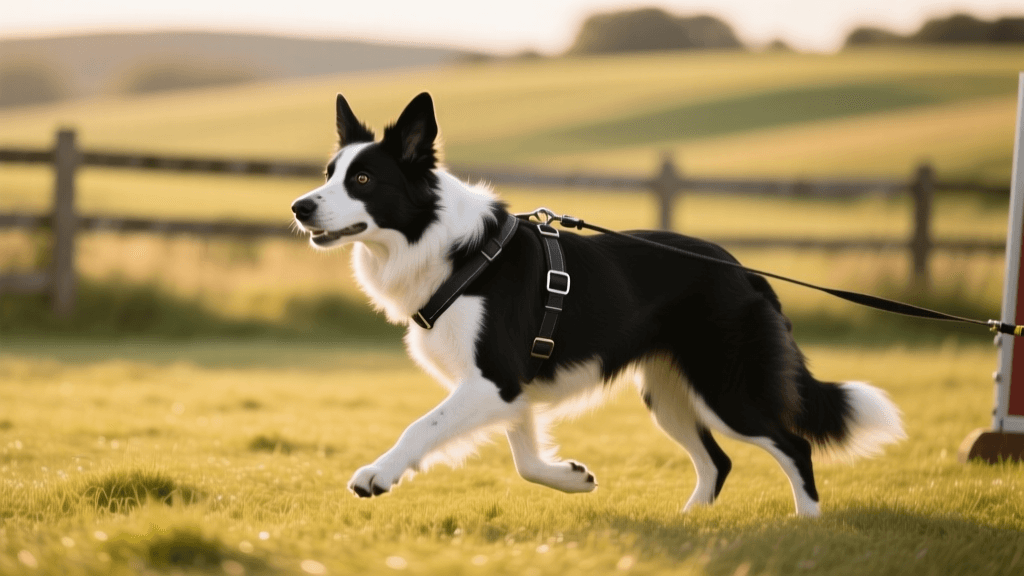
Marcus: For most clients, I recommend a dual-clip harness. Attach your leash to the front chest ring to gently turn the dog's body toward you if they lunge, while keeping a backup leash attached to the back ring for safety.
Q3: How Do I Find My Dog's 'Threshold' Distance?
Dr. Rostova: The 'threshold' is the exact distance at which your dog notices a trigger but remains capable of learning and taking treats. Think of it like a traffic light. Green Zone: The dog sees the trigger, ears are relaxed, and they will eagerly eat high-value treats. Yellow Zone: The dog stiffens, stares, and might take treats harder or spit them out. Red Zone: Barking, lunging, and refusal to eat. You must do all training in the Green Zone. For some dogs, this is 15 feet; for others, it is 50 feet. If your dog won't eat a piece of boiled chicken, you are too close to the trigger. Immediately increase your distance by 10 to 20 feet to bring them back into the Green Zone.
Q4: What is the 'Engage-Disengage' Training Game?
Marcus: Once you have your gear and are in the Green Zone, we use the Engage-Disengage protocol, a staple in modern force-free training endorsed by experts at the American Kennel Club. This game changes the dog's emotional response from 'threat' to 'predictor of good things.' Here is the exact protocol:
- Spot the Trigger: Notice the dog or person before your dog reacts. Position yourself at your dog's threshold distance (e.g., 40 feet).
- Mark the 'Engage': The exact millisecond your dog looks at the trigger, say 'Yes!' or click your clicker. Timing is critical; this must happen within 0.5 seconds of the look.
- Deliver the Reward: Within 1.5 seconds, deliver a high-value treat directly to your dog's mouth. I recommend Zuke's Mini Naturals (approx. $6.99 per bag) or plain boiled chicken breast. Do not use dry kibble for this.
- Wait for the 'Disengage': After 10-15 repetitions, your dog will start looking at the trigger and then immediately turning to look at you for the treat. The moment they voluntarily turn their head away from the trigger (disengage), mark with 'Yes!' and give a jackpot of 3-4 treats.
- Session Limits: Keep sessions under 5 minutes to prevent cognitive fatigue. End on a positive note before the dog crosses into the Yellow Zone.
Q5: When Should We Consider Anti-Anxiety Medication?
Dr. Rostova: Medication is not a 'last resort'; it is often a necessary bridge that allows training to work. If a dog is constantly flooded with cortisol, their brain physically cannot form new, positive neural pathways. I typically prescribe daily SSRIs like Fluoxetine (generic Prozac), which costs roughly $15 to $30 a month, to raise the dog's baseline serotonin levels and lower overall anxiety. For situational events where we know triggers are unavoidable, I may prescribe Trazodone or Gabapentin to be given 90 minutes before the walk. Medication combined with Marcus's desensitization protocols yields a significantly higher success rate than training alone. Always consult a licensed veterinarian or a veterinary behaviorist to discuss pharmacological options tailored to your dog's specific health profile.
Bonus Tip: The Importance of Decompression Walks
Marcus: Reactive dogs are chronically stressed. If every walk is a high-stakes training session, your dog will burn out. I mandate two 'sniffaris' a week. Swap the 6-foot leash for a 15-foot biothane long line (brands like High Tail Hikes make excellent ones for around $45). Take your dog to a quiet, open field away from triggers and just let them sniff. Sniffing lowers a dog's heart rate and provides immense mental enrichment. Thirty minutes of uninterrupted sniffing can be as tiring as a two-mile run, leaving your dog in a much calmer state for your structured reactivity training later in the week.
Final Thoughts
Curing leash reactivity is a marathon, not a sprint. It requires managing the environment, investing in the correct ergonomic gear, and consistently applying counter-conditioning protocols. If you feel overwhelmed, do not hesitate to seek professional help. You can find a certified, force-free professional in your area by using the Certification Council for Professional Dog Trainers (CCPDT) directory. With patience, high-value treats, and a solid understanding of canine body language, you and your dog can eventually enjoy peaceful, joyful walks together.
beth-carrasco
All our authors care for dogs every day — read more of their work on the authors page.