City to Suburb Dog Transition: Sniffspot Private Yards in 2026
Discover how to use Sniffspot private yards in 2026 to safely transition your city dog to suburban life, reducing stress and preventing reactivity.
The Reality of Relocating: Urban to Suburban Dog Stress
Relocating from a high-density urban apartment to a sprawling suburban home is one of the most significant life transitions you can experience. In 2026, the continued normalization of hybrid work models and the search for more affordable housing have prompted a massive wave of pet owners to trade concrete sidewalks for grassy backyards. However, while you might be dreaming of peace, quiet, and a private lawn, your city-adapted dog is facing a profound environmental shock. The transition from a predictable, highly structured urban environment to an open, stimulus-rich suburban landscape can trigger severe anxiety, barrier frustration, and unexpected behavioral regression.
City dogs are accustomed to a specific rhythm: the constant hum of traffic, the predictable routes of leash walks, the proximity of neighbors through shared walls, and the expectation of being leashed at all times. Suburban life flips this script entirely. Suddenly, there are sprawling lawns, unpredictable wildlife, silent nights interrupted by distant coyotes, and the overwhelming expectation of off-leash freedom. According to the Humane Society, moving is consistently ranked as one of the most stressful events for pets, often leading to a temporary breakdown in house training, increased vocalization, and escape attempts. Understanding this psychological shift is the first step in managing a successful life transition for your dog.
The Decompression Protocol: Why It Matters in 2026
Modern canine behavioral science has moved away from the outdated 'sink or swim' method of acclimating dogs to new environments. Today, experts advocate for structured decompression. Decompression is the process of allowing a dog's nervous system to down-regulate from chronic stress by providing a safe, controlled environment where they can engage in natural, unforced behaviors like sniffing, foraging, and exploring without the pressure of navigating public spaces or avoiding triggers.
When a city dog first arrives in a suburban home, their cortisol levels are often elevated. The new smells, the echoes of the empty house, and the unfamiliar sightlines out of large windows can keep them in a state of hyper-vigilance. VCA Animal Hospitals notes that maintaining a predictable routine and providing safe outlets for mental stimulation are critical to preventing stress-induced behaviors during the first 30 days of a move. This is where private, controlled environments become an indispensable tool for the modern dog owner.
Leveraging Sniffspot Private Yards for Safe Decompression
Sniffspot, the premier platform for renting private dog parks and yards, has evolved significantly by 2026 to become a vital resource for dogs undergoing major life transitions. For a city dog, the idea of walking into a public suburban dog park on day three of a move is a recipe for disaster. Public parks are chaotic, filled with unfamiliar off-leash dogs, and offer zero control over the environment.
By renting private Sniffspot yards, you can curate your dog's exposure to the suburbs. These private, fully-fenced spaces allow your dog to experience grass, dirt, and suburban wildlife scents in a zero-pressure environment. In 2026, the average cost of a private Sniffspot rental ranges from $10 to $18 per hour, a small investment compared to the cost of behavioral rehabilitation for a dog that develops leash reactivity or fence-fighting habits due to premature exposure to suburban triggers.
Key Benefits of Sniffspot for Relocating City Dogs:
- Controlled Scent Introduction: Suburban yards are rich with the scent of deer, rabbits, and neighborhood cats. A private yard lets your dog process these intense olfactory stimuli without the added pressure of an unfamiliar dog approaching them.
- Safe Recall Practice: City dogs rarely need a rock-solid recall because they are always leashed. Private yards provide the physical boundaries needed to safely train and test off-leash recall before attempting it in unfenced suburban spaces.
- Barrier Frustration Prevention: Many city dogs develop leash reactivity. Sniffspot locations that offer 'privacy buffers' ensure your dog won't see neighboring dogs through fence gaps, preventing the rehearsal of fence-fighting behaviors.
The 4-Week Suburban Transition Plan Using Private Yards
To ensure a smooth transition, follow this structured four-week protocol, utilizing private yard rentals to bridge the gap between urban confinement and suburban freedom.
Week 1: The Scent and Sniff Phase
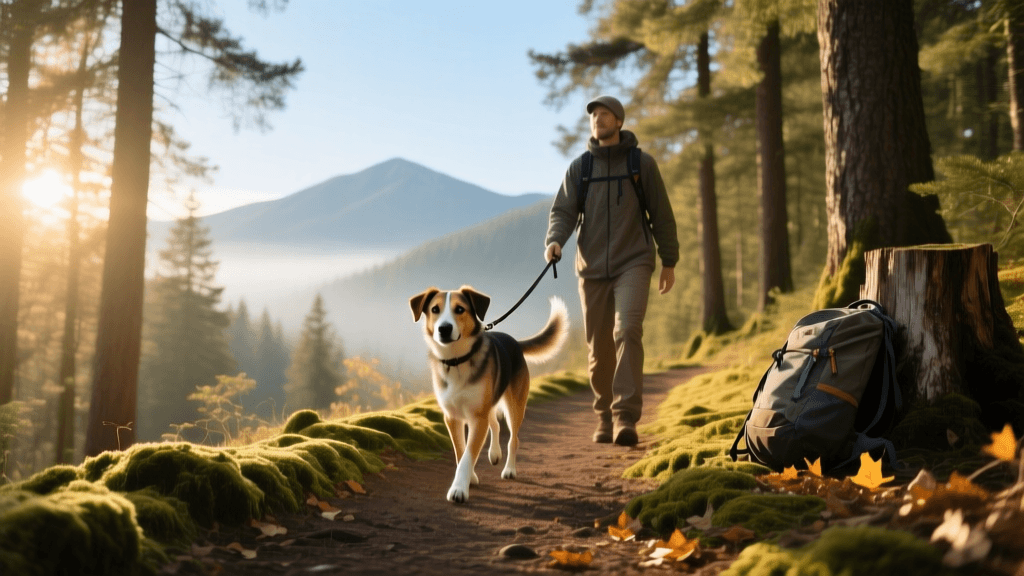
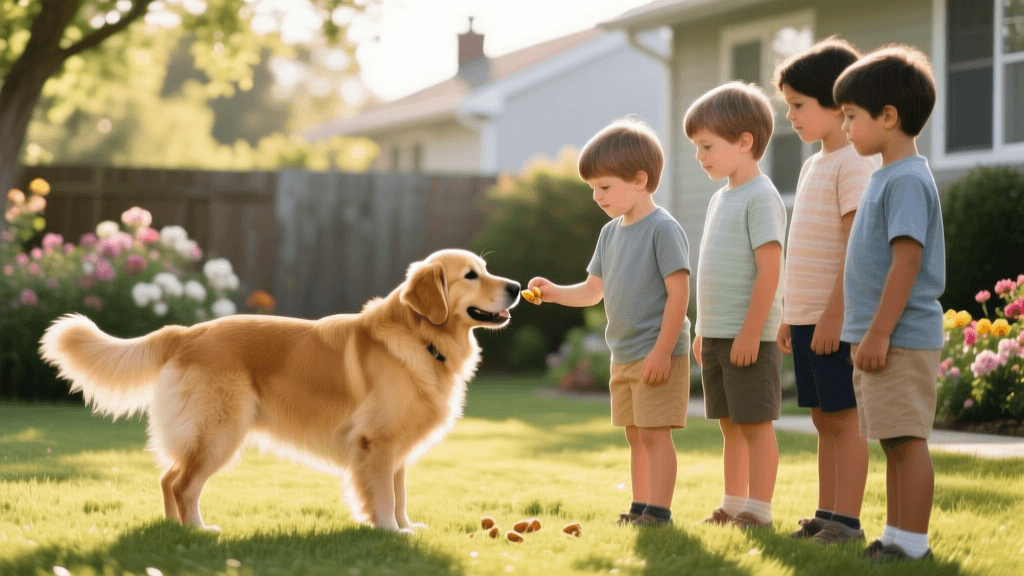
During the first week, your dog should remain on a 15-foot Biothane long line, even in a private Sniffspot yard. The goal is not physical exercise; it is olfactory processing. Allow your dog to map the perimeter of the yard using their nose. Scatter high-value treats in the grass to encourage foraging. Keep sessions short—no more than 30 minutes—to prevent sensory overload. Return to your new home and provide a quiet, crate-covered resting period.
Week 2: Introduction to Off-Leash Freedom
Once your dog shows relaxed body language (loose tail wags, soft eyes, willingness to eat treats) in the private yard, drop the long line and let it drag. Practice basic engagement games like 'find it' and hand-targeting. This week is about building a positive emotional association with the feeling of unrestricted movement in a suburban setting.
Week 3: Recall and Boundary Testing
Suburban environments present unique escape risks, such as open gates or gaps in fencing. Use the private yard to rigorously test your dog's recall. Introduce mild distractions, such as tossing a toy near the fence line, and reward heavily for returning to you. According to the American Kennel Club (AKC), reliable recall is the most critical safety skill for dogs transitioning to areas with higher traffic speeds and wider open spaces.
Week 4: The Public Park Transition
Only after your dog has successfully completed three weeks of private yard decompression and demonstrates reliable recall should you consider visiting a public suburban park. Go during off-peak hours (early morning on a Tuesday) to minimize dog-to-dog interactions. Keep the long line attached and be prepared to leave immediately if your dog shows signs of overstimulation.
Essential Gear for the Urban-to-Suburban Shift
Equipping yourself with the right technology and tools in 2026 will provide peace of mind and enhance your dog's safety during this vulnerable transition period.
- Fi Series 3 GPS Smart Collar: Priced at $149 plus an $8/month subscription in 2026, the Fi collar is non-negotiable for suburban transitions. If your city dog panics and bolts out an open suburban door, the Fi collar's LTE tracking and escape alerts will notify your phone instantly, allowing you to track them in real-time.
- 15-Foot Biothane Long Line: Unlike nylon, Biothane does not absorb mud, dew, or suburban pond water. It provides the perfect balance of freedom and safety during the decompression phase.
- Adaptil Calm On-The-Go Diffuser: Plug this synthetic pheromone diffuser into the main living area of your new home to mimic the calming pheromones of a nursing mother dog, helping to reduce nighttime pacing and whining.
- Zesty Paws Advanced Calming Bites: Administer these vet-recommended supplements 45 minutes before your first few Sniffspot visits to take the edge off your dog's travel and environmental anxiety.
Understanding the Triggers: Urban vs. Suburban Environments
Recognizing how your dog's triggers change during a move is vital for proactive management. The table below outlines the primary environmental shifts and how to mitigate them.
| Trigger Category | Urban Context | Suburban Context | 2026 Mitigation Strategy |
|---|---|---|---|
| Noise Pollution | Constant sirens, traffic, hallway footsteps | Sudden silence, distant barking, wildlife rustling | Use white noise machines indoors; play classical music to mask sudden outdoor noises. |
| Spatial Boundaries | Walls, leashes, small rooms | Open lawns, invisible fences, wide streets | Use Sniffspot private yards to teach spatial awareness and boundary recognition safely. |
| Social Encounters | Predictable, leashed, face-to-face passing | Unpredictable, off-leash, roaming dogs | Avoid public parks initially; rely on private yards and scheduled, controlled playdates. |
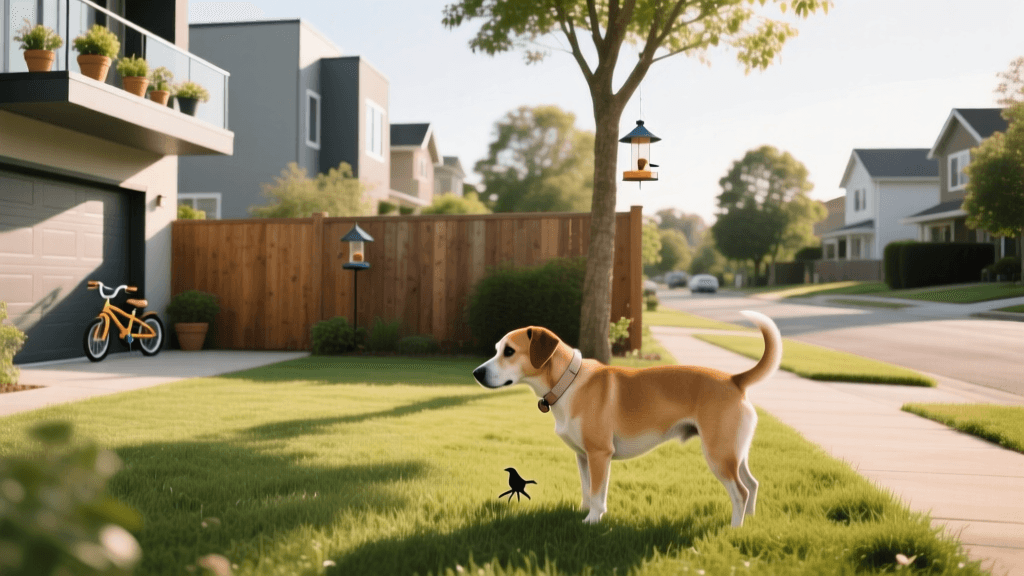
| Visual Stimuli | Crowds, buildings, neon lights | Moving shadows, deer, mail carriers, bicycles | Apply window film to lower-level home windows to prevent barrier frustration and barking. |
Managing the First 30 Days: Routine and Predictability
While the environment has changed, your dog's daily schedule should remain fiercely consistent. Feed them at the exact same times, walk them for the same duration (even if the route is just your new driveway and a private yard), and enforce the same household rules. If your city dog was not allowed on the couch, do not allow them on the new suburban sectional just because you feel guilty about the move. Consistency breeds confidence.
Furthermore, establish a 'safe zone' in your new home immediately. This should be a quiet room or a large crate covered with a breathable blanket, stocked with familiar bedding that smells like your old apartment. When the chaos of unpacking boxes, setting up Wi-Fi, and meeting new neighbors becomes overwhelming, your dog needs a sanctuary where the rules of the old world still apply.
Conclusion
Transitioning a city dog to suburban life is a marathon, not a sprint. By leveraging modern tools like Sniffspot private yards, utilizing GPS technology like the Fi Series 3, and respecting the biological need for decompression, you can turn a potentially traumatic move into an enriching life upgrade for your dog. In 2026, we have more resources, behavioral knowledge, and community support than ever before. Patience, structured exposure, and a deep understanding of your dog's sensory experience will ensure that your new suburban house truly becomes their forever home.
robin-maitland
All our authors care for dogs every day — read more of their work on the authors page.