Choosing the Right Dog Age for Your Current Life Stage
Discover whether a puppy, adult, or senior dog best fits your current life stage. Compare costs, time commitments, and care needs before adopting.

Introduction: Matching Dog Age to Your Life Stage
Bringing a dog into your home is one of the most rewarding decisions you can make, but it is also a long-term commitment that can last anywhere from 10 to 15 years. When prospective owners visit shelters or breeders, they are often immediately drawn to the undeniable charm of puppies. However, choosing a dog based solely on cuteness rather than how their life stage aligns with yours is a common pitfall. According to the ASPCA, understanding your own lifestyle, work schedule, and future plans is the most critical step in the adoption process.
As a core component of our Life Stage Care Guides, this article will help you evaluate whether a puppy, an adult dog, or a senior companion is the best fit for your current chapter in life. We will break down the time commitments, financial costs, and home preparation required for each stage, ensuring you make a choice that leads to a lifelong, harmonious bond.
The Puppy Stage: High Energy, High Reward
Puppies (typically 8 weeks to 1 year old) are blank slates. They offer the unique opportunity to shape their behavior, socialize them to your specific environment, and build a bond from their very first weeks outside the litter. However, this stage requires an immense investment of time and patience.
Time and Training Commitment
Puppies require attention every few hours for potty training, feeding, and socialization. The critical socialization window occurs between 8 and 16 weeks of age, meaning you must safely expose them to new sights, sounds, and surfaces daily. Expect to dedicate at least 2 to 3 hours a day to active training, play, and supervision. If you work long hours away from home or have a highly unpredictable schedule, a puppy may struggle with separation anxiety and developmental setbacks.
Financial Costs
The first year of a puppy's life is the most expensive. Beyond the initial adoption or breeder fee, you must budget for a series of vaccinations, spay/neuter surgery, microchipping, and puppy socialization classes. According to the American Kennel Club (AKC), first-year veterinary and training costs can easily range from $1,500 to $2,500. You will also need to purchase puppy-specific gear, such as the Kong Classic for teething, a Snuggle Puppy with a heartbeat to ease crate training, and enzymatic cleaners like Nature's Miracle for inevitable indoor accidents.
Ideal Life Stage for Owners
Puppies are best suited for households with at least one adult who works from home, stay-at-home parents, or highly active singles who have the flexibility to take midday breaks. They are also a great fit for families who want a dog to grow up alongside young children, provided the children are old enough to understand gentle handling.
Adult Dogs: The Sweet Spot of Companionship
Adult dogs (typically 1 to 7 years old) are often the unsung heroes of the rescue world. What you see is generally what you get; their personalities, energy levels, and sizes are fully established. Many adult dogs in shelters or foster homes are already house-trained and know basic commands, saving you months of grueling puppy prep.
Time and Training Commitment
While adult dogs still require daily exercise (usually 45 to 90 minutes of walking and play, depending on the breed), they do not need the constant supervision of a puppy. They can typically hold their bladders for 6 to 8 hours, making them ideal for standard work schedules. However, you must be prepared for the "3-3-3 Rule" of rescue dogs: 3 days to decompress, 3 weeks to learn your routine, and 3 months to truly feel at home and show their genuine personality.
Financial Costs
Adopting an adult dog is generally more cost-effective upfront. Most rescue organizations include spay/neuter, initial vaccines, and microchipping in the adoption fee, which usually ranges from $50 to $300. Your ongoing costs will stabilize to routine annual vet checks, heartworm prevention, and quality adult dog food.
Ideal Life Stage for Owners
Adult dogs are perfect for busy professionals, families with toddlers (where a fragile puppy might be injured or a nippy puppy might be too much), and first-time dog owners who want a more predictable companion. If you enjoy weekend hikes but want a dog that will settle down and nap while you work on Monday, an adult dog is your best match.
Senior Dogs: Gentle Souls with Lower Demands
Senior dogs (typically 7 years and older) are frequently overlooked in shelters, yet they offer some of the most profound and immediate companionship. These dogs have usually outgrown the destructive chewing and hyperactive zoomies of their youth, replacing them with a deep desire to simply be near their humans.
Time and Training Commitment
Seniors require significantly less physical exertion. A 20 to 30-minute leisurely walk and some gentle mental stimulation (like snuffle mats or puzzle feeders) are usually sufficient. They are often content to spend the day lounging on the couch, making them excellent companions for quieter households.
Financial Costs
While the time commitment drops, the medical commitment may rise. Senior dogs are more prone to age-related conditions such as arthritis, dental disease, and metabolic issues. You should budget for bi-annual veterinary exams, bloodwork, and potential medications or joint supplements like Dasuquin. Investing in an orthopedic bed, such as the Furhaven Orthopedic Dog Bed, is also highly recommended to support aging joints.
Ideal Life Stage for Owners
Senior dogs are a beautiful match for older adults, retirees, apartment dwellers, and individuals with mobility issues or relaxed lifestyles. Adopting a senior is also a deeply rewarding act of compassion, providing a loving "hospice" or retirement home for a dog in need. The Humane Society of the United States frequently highlights the unique, quiet bond that forms between senior pets and their adopters.
Comparison Chart: Puppy vs. Adult vs. Senior
Use the table below to quickly compare the core requirements of each dog life stage against your own daily routine and resources.
| Feature | Puppy (8 weeks - 1 year) | Adult (1 - 7 years) | Senior (7+ years) |
|---|---|---|---|
| Daily Time Commitment | High (2-4 hours active training/play) | Moderate (1-2 hours exercise/bonding) | Low (30-60 mins gentle activity) |
| Potty Training | Required (frequent outdoor breaks) | Usually established | Established (may need senior potty pads) |
| First-Year Vet Costs | High ($1,500 - $2,500+) | Low/Moderate ($300 - $600) | Moderate/High ($800 - $1,500+) |
| Destructive Behavior | High (teething, exploration) | Low (unless anxious/under-stimulated) | Very Low |
| Ideal Owner Lifestyle | Remote workers, active families | 9-to-5 professionals, active singles | Retirees, apartment dwellers, quiet homes |
Preparing Your Home for Different Life Stages
Once you have selected the age group that matches your life stage, you must prepare your physical environment to ensure safety and comfort.
Puppy-Proofing
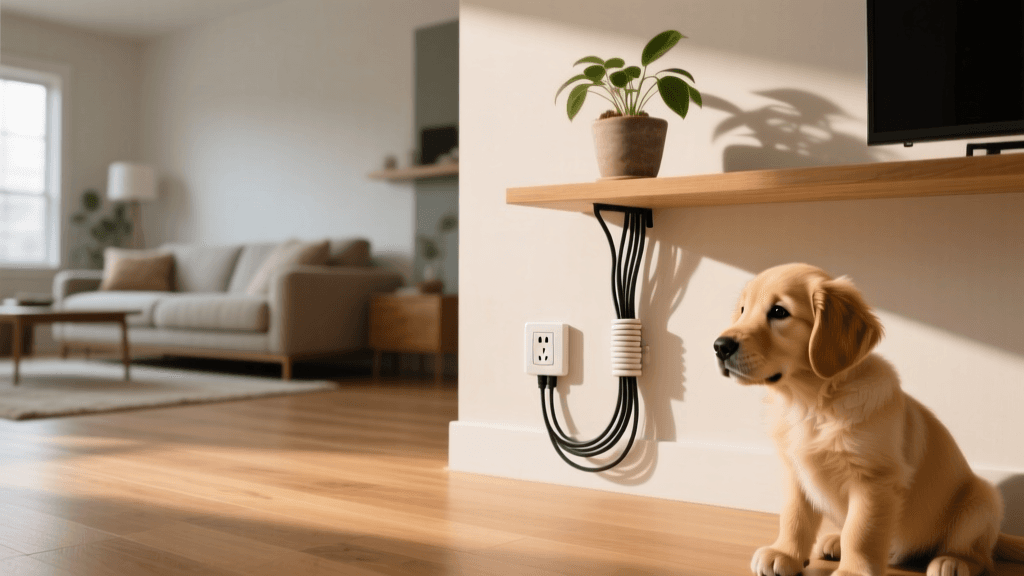
Puppies explore the world with their mouths. You must get down on your hands and knees to identify hazards. Secure electrical cords with cable concealers, install baby gates to block off carpeted stairs or rooms you want to keep off-limits, and move toxic houseplants (like lilies or sago palms) to high shelves. Stock up on washable puppy pads for overnight accidents and a sturdy, appropriately sized wire crate for safe confinement when you cannot supervise.
Adult Dog Adjustments
Adult dogs, especially rescues, need a "safe zone." Set up a quiet corner with their bed and a long-lasting chew (like a bully stick or yak cheese chew) where they can retreat if the household gets overwhelming. Ensure your fencing is secure; some adult hounds and terriers are adept diggers or jumpers. Check that your fence has no gaps and consider adding a coyote roller to the top if you are adopting an escape artist.
Senior Dog Accessibility
Modifying your home for a senior dog is all about accessibility and joint preservation. Place non-slip rugs over hardwood or tile floors to prevent slipping and hip injuries. If your dog is used to sleeping on the bed or couch, invest in a set of pet stairs or a foam ramp to allow them to climb up safely without the jarring impact of jumping down. Elevate their food and water bowls by 4 to 6 inches to reduce neck strain during meals.
Conclusion: Looking 10 Years Into the Future
When deciding which dog to bring home, you must look beyond your current life stage and anticipate where you will be in a decade. If you plan to have children, change careers, or move to a different type of housing in the next five years, choose a dog whose age and adaptability will weather those transitions with you. Whether you choose the chaotic joy of a puppy, the steady companionship of an adult, or the gentle grace of a senior, aligning their life stage with yours is the ultimate foundation for a successful, lifelong relationship.
anouk-beaumont
All our authors care for dogs every day — read more of their work on the authors page.