Choosing the Best Family Dog for Homes with Toddlers and Kids
Discover how to choose the best family dog for homes with toddlers and kids, plus expert tips on preparing your children and home for the new arrival.

Bringing a Dog into a Home with Young Children
Bringing a dog into a home with toddlers and young children is a magical milestone. The bond between a child and a family dog can teach empathy, responsibility, and provide endless companionship. However, merging the chaotic world of toddlers with the needs of a canine companion requires careful planning, realistic expectations, and proactive preparation. According to the American Academy of Pediatrics, selecting the right pet and preparing your child are the most critical steps in ensuring a safe and harmonious household.
This comprehensive guide will walk you through assessing your family's readiness, choosing the right dog, and setting up your home for success when you have little ones underfoot.
Assessing Your Family's Lifestyle and Readiness
Before you start browsing adoption profiles or contacting breeders, take an honest look at your daily routine. Puppies require an immense amount of time—often three to four hours of active engagement, training, and potty breaks every single day. If you are already managing toddler tantrums, preschool drop-offs, and household chores, a puppy might push you past your breaking point.
Consider the financial commitment as well. The initial cost of a dog from a reputable breeder can range from $1,500 to $3,000, while adoption fees typically fall between $300 and $500. Beyond the acquisition cost, expect to spend $500 to $1,000 on first-year veterinary care, including vaccinations, spaying or neutering, and microchipping. Monthly expenses for high-quality food, flea and tick prevention, and pet insurance will add another $100 to $200 to your budget.
Top Dog Traits and Breeds for Families with Young Children
When living with toddlers, a dog's temperament is far more important than its breed. You want a dog that is inherently patient, sturdy enough to handle accidental tail tugs, and possesses a low prey drive. While herding breeds like Border Collies are incredibly smart, their instinct to nip at the heels of running children makes them a poor fit for homes with toddlers.
Below is a comparison of popular family dog types and their suitability for homes with young kids:
| Breed / Mix Type | Energy Level | Grooming Needs | Kid-Friendly Traits | Potential Challenges |
|---|---|---|---|---|
| Golden Retriever | High | High | Extremely patient, eager to please, sturdy build | Prone to boisterous jumping, heavy shedding |
| Beagle | Medium-High | Low | Sturdy, playful, highly food-motivated for training | Can be stubborn, vocal, and scent-driven |
| Boxer | High | Low | Playful, protective, goofy, bonds deeply with kids | Needs rigorous exercise, can knock over toddlers |
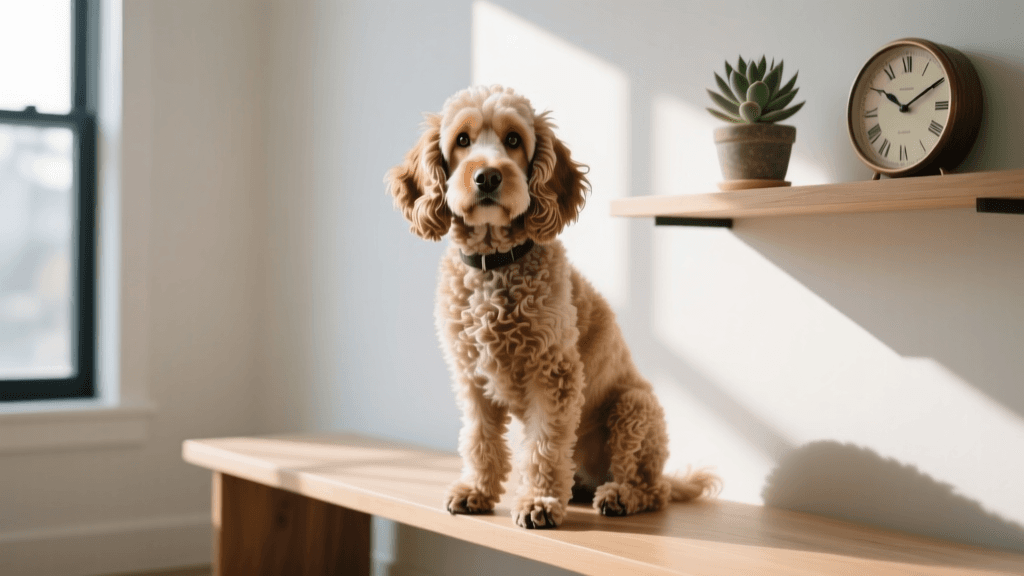
| Poodle Mix (Doodle) | Medium-High | High | Intelligent, low-shedding coat, highly trainable | Requires strict grooming routines, can be anxious |
| Adult Shelter Mix | Varies | Varies | Known temperament if fostered, past puppy phase | Unknown history requires careful transition |
Adoption vs. Buying: Finding the Right Fit
Many families assume that getting a puppy is the only way to ensure the dog bonds with their children. However, adopting an adult dog from a foster-based rescue organization is often the superior choice for families with toddlers. Foster parents can provide invaluable insights into a dog's true temperament, including how they react to loud noises, sudden movements, and sharing their space or toys.
If you do decide to buy a puppy, you must work exclusively with a reputable breeder who performs comprehensive health testing (such as OFA certifications for hips and elbows) and utilizes early neurological stimulation and socialization programs like Puppy Culture. Never purchase a puppy from a pet store or an online broker, as these dogs often come from commercial breeding facilities and lack the crucial early socialization needed to become confident, well-adjusted family pets.
Preparing Your Toddlers and Kids for the New Dog
Preparation shouldn't just be about dog-proofing the house; it must include child-proofing the dog's experience. Toddlers do not inherently understand how to interact gently with animals. It is your responsibility to teach them. Start by reading age-appropriate books about dogs and practicing gentle petting on a stuffed animal.
The American Veterinary Medical Association (AVMA) emphasizes that children must be taught to recognize canine body language and to never disturb a dog while it is eating, sleeping, or caring for puppies. Establish strict household rules before the dog arrives:
- No hugging: While humans show love through hugs, most dogs perceive being wrapped in arms as a threat or a restriction of movement.
- Respect the crate: The dog's crate must be designated as a "no-kid zone." This gives the dog a safe retreat when they feel overwhelmed.
- Supervision is mandatory: Never leave a toddler and a dog alone together in a room, even for a few seconds. If you cannot actively supervise, use a baby gate to separate them.
Role-playing is another excellent strategy. Have your child practice walking up to a 'sleeping' stuffed dog, stopping a few feet away, and saying 'hello' quietly. Teach them the 'tree' method: if an excited dog jumps on them or runs toward them, they should stand perfectly still like a tree, fold their arms, and look at their feet. This removes the reward of attention and usually causes the dog to lose interest and back away.
Furthermore, The Humane Society of the United States recommends involving children in the dog's care routine in age-appropriate ways, such as having a five-year-old help measure out kibble or a seven-year-old assist with brushing, always under direct adult supervision.
Essential Gear for a Kid-Friendly Dog Setup
Setting up your home with the right physical boundaries is crucial for managing the interactions between your new dog and your young children. Here are the specific products and setups you will need:
1. Hardware-Mounted Baby Gates
Pressure-mounted gates can easily be pushed over by a medium-to-large dog. Invest in hardware-mounted gates, such as the Regalo Easy Step Walk Thru Baby Gate (approx. $45-$60), to block off staircases and create dog-free zones like the toddler's bedroom or the kitchen during meal prep.
2. A Heavy-Duty Crate and Comfort Items
A sturdy wire or heavy-duty plastic crate provides a safe den for your dog. To help the dog settle, especially during the chaotic first few weeks, use a Snuggle Puppy Behavioral Aid (approx. $40). This toy includes a heartbeat simulator and heat pack that mimics the feeling of littermates, drastically reducing separation anxiety and nighttime whining.
3. Interactive and Chew Toys
Toddlers leave toys everywhere, and dogs love to chew them. To prevent choking hazards and destroyed belongings, provide your dog with distinct, highly durable chew toys. The KONG Classic Dog Toy (approx. $15-$25), stuffed with dog-safe peanut butter and frozen, can keep a dog occupied for 30 to 45 minutes, giving you hands-free time to focus on your kids.
4. Enzymatic Cleaners for Accidents
When house-training a new dog around toddlers who are also prone to spills, accidents are inevitable. Invest in a high-quality enzymatic cleaner like Nature's Miracle Advanced Stain and Odor Eliminator (approx. $15). Unlike standard household cleaners, enzymatic formulas break down the uric acid crystals that cause lingering odors, preventing the dog from returning to the same spot to soil again.
5. Elevated Feeding Stations or Separated Feeding Zones
Food aggression or resource guarding can be triggered if a crawling toddler approaches a dog while it is eating. Feed your dog in a completely separate room, behind a closed door or a secure baby gate, to eliminate this risk entirely.
Final Thoughts on Building a Lifelong Bond
Bringing a dog into a family with young children is a profound commitment that will reshape your daily routine. By prioritizing temperament over aesthetics, choosing a dog that fits your current lifestyle rather than your idealized one, and rigorously preparing both your home and your children, you lay the groundwork for a beautiful, lifelong friendship. Remember that patience and consistent supervision are your greatest tools in nurturing the beautiful bond between your kids and their new best friend.
jonas-cole
All our authors care for dogs every day — read more of their work on the authors page.