Quiet Puppy Breeds for Apartments: 2026 Care Guide
Discover the best quiet puppy breeds for apartments in 2026. Learn essential potty training, socialization, and teething tips for shared-wall living.
The 2026 Urban Puppy Landscape: Navigating Shared-Wall Living
As urban density continues to rise in 2026, more dog owners are navigating the unique challenges of raising a puppy in an apartment or condominium. While the dream of a sprawling backyard is reserved for rural dwellers, city living offers incredible opportunities for socialization and adventure. However, shared walls, close neighbors, and limited indoor square footage mean that choosing the right breed is only the first step. Raising a quiet, well-adjusted puppy in a high-rise requires specialized strategies for potty training, early socialization, and noise management.
If you have selected a naturally quiet breed to respect your neighbors and maintain your own peace of mind, your puppy care regimen must be tailored to their specific needs. In this comprehensive 2026 guide, we explore the top quiet breeds for apartment living and provide actionable, modern advice for raising them successfully in an urban environment.
Top 4 Quiet Breeds for Apartment Living
Not all dogs are suited for the acoustic realities of apartment life. Hounds, terriers, and some herding breeds are genetically wired to vocalize, which can quickly lead to noise complaints in close-quarters living. In 2026, urban veterinarians and behaviorists consistently recommend the following breeds for their naturally low vocalization levels and adaptability to smaller spaces.
| Breed | Average Adult Weight | Vocalization Level | Potty Training Difficulty | Energy Level |
|---|---|---|---|---|
| Cavalier King Charles Spaniel | 12-18 lbs | Very Low | Moderate | Low to Moderate |
| Italian Greyhound | 7-14 lbs | Low | High | Moderate (Bursts) |
| English Bulldog | 40-50 lbs | Low | Moderate | Low |
| Borzoi | 60-105 lbs | Very Low | Easy | Moderate |
1. Cavalier King Charles Spaniel
The Cavalier remains a top choice for city dwellers in 2026. They are incredibly affectionate, rarely bark without a profound reason, and adapt beautifully to the size of their owner's living space. Their primary care challenge is managing separation anxiety, which can manifest as whining if not addressed early.
2. Italian Greyhound
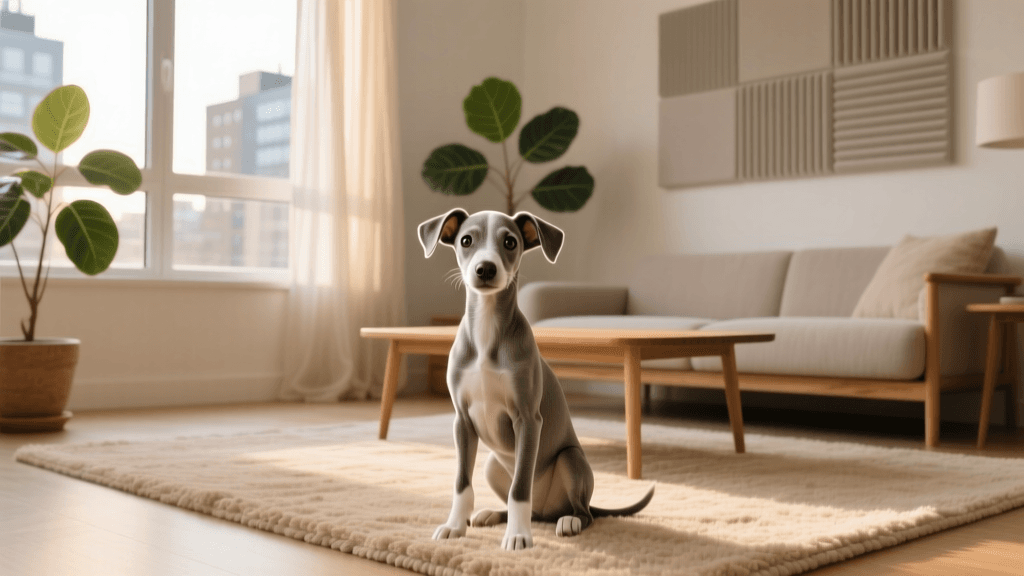
Sleek, elegant, and notoriously quiet, the Italian Greyhound (IG) is practically a feline in its demeanor. They rarely bark and love to burrow under blankets. However, their potty training is notoriously difficult, especially in cold urban winters, requiring immense patience and specialized indoor setups.
3. English Bulldog
While their snoring might be loud, their barking is minimal. Bulldogs are low-energy companions who are perfectly content lounging on an apartment sofa. Their care revolves around managing skin folds, joint health, and temperature regulation rather than behavioral noise issues.
4. Borzoi
A surprising entry for some, the Borzoi is a large sighthound that is famously silent and calm indoors. Despite their size, they are notorious 'couch potatoes' inside the apartment, requiring only a solid daily sprint in a secure dog park to remain perfectly tranquil at home.
High-Rise Potty Training: Overcoming the Elevator Bladder
Potty training an apartment puppy in 2026 involves logistical hurdles that suburban owners simply do not face. The 'elevator bladder' phenomenon occurs when a puppy holds their waste during the descent in the elevator, only to relieve themselves the moment they step onto the lobby carpet or the sidewalk. According to guidelines published by The Humane Society of the United States, consistency and immediate access to an appropriate elimination zone are the cornerstones of successful house training.
The Balcony Turf Solution
For high-rise dwellers, waiting for an elevator is not an option during the critical 8-to-16-week potty training window. In 2026, subscription-based balcony turf systems (such as automated flushing porch potties or hydroponic grass deliveries) are considered essential tools for apartment puppy owners. These systems provide an immediate, outdoor-scented elimination zone.
- Placement: Keep the turf in a consistent, semi-private corner of the balcony.
- Transitioning: Use a verbal cue like 'go potty' while they are on the balcony turf, and eventually use the same cue when you transition them to the ground-level grass.
- Cleanup: Immediately remove solid waste and rinse the area to prevent odor buildup in enclosed balcony spaces.
Managing the Lobby Transit
If you do not have a balcony, you must carry your puppy through the lobby and out the front doors until they are fully vaccinated and have developed better bladder control. Carrying them prevents them from associating the lobby or elevator with elimination zones.
Early Socialization in Dense Environments
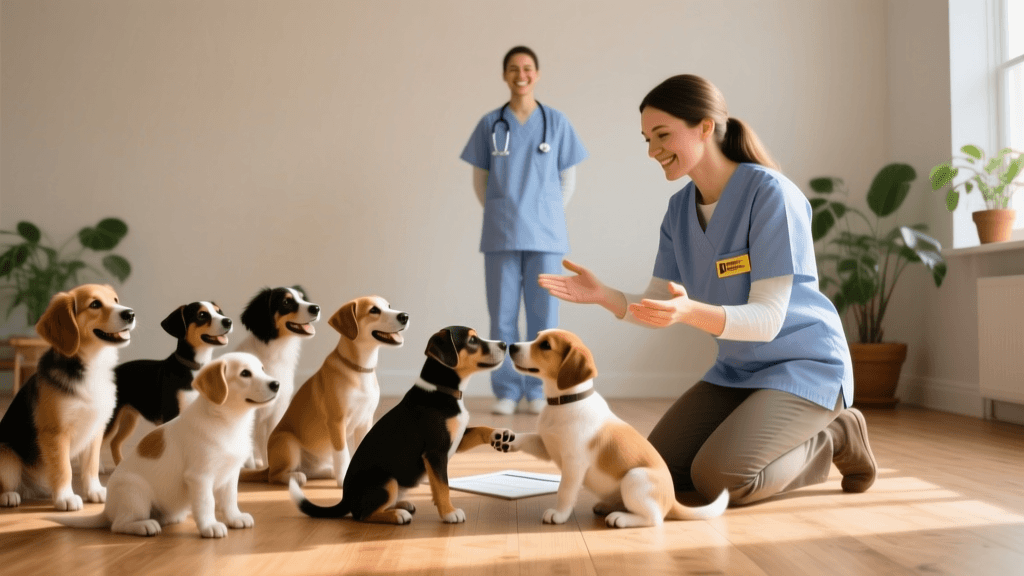
The American Kennel Club and leading veterinary behaviorists emphasize that the critical socialization window occurs between 8 and 16 weeks of age. In an apartment, your puppy is naturally exposed to a high volume of novel stimuli: the hum of HVAC systems, the clatter of garbage trucks, the dinging of elevators, and the close proximity of strangers in hallways. While this can be beneficial, it can also lead to fear-based reactivity if not managed properly. The American Kennel Club (AKC) recommends structured, positive exposure to these urban elements to build a confident, well-adjusted adult dog.
Window and Balcony Desensitization
Before your puppy is fully vaccinated, utilize your apartment windows and balcony for passive socialization. Sit with your puppy near the window and reward them with high-value treats (like boiled chicken or freeze-dried liver) every time they hear a siren, see a pedestrian, or notice a neighboring dog. This builds a positive association with urban noise, preventing the fear-barking that plagues many city dogs.
The 'Lobby Protocol'
Teach your puppy to sit calmly when the apartment door opens and when entering shared spaces. In 2026, many luxury apartment buildings feature dedicated pet-washing stations and dog runs; utilize these spaces during off-peak hours to allow your puppy to explore new scents without the overwhelming pressure of busy foot traffic.
Teething, Whining, and Noise Management
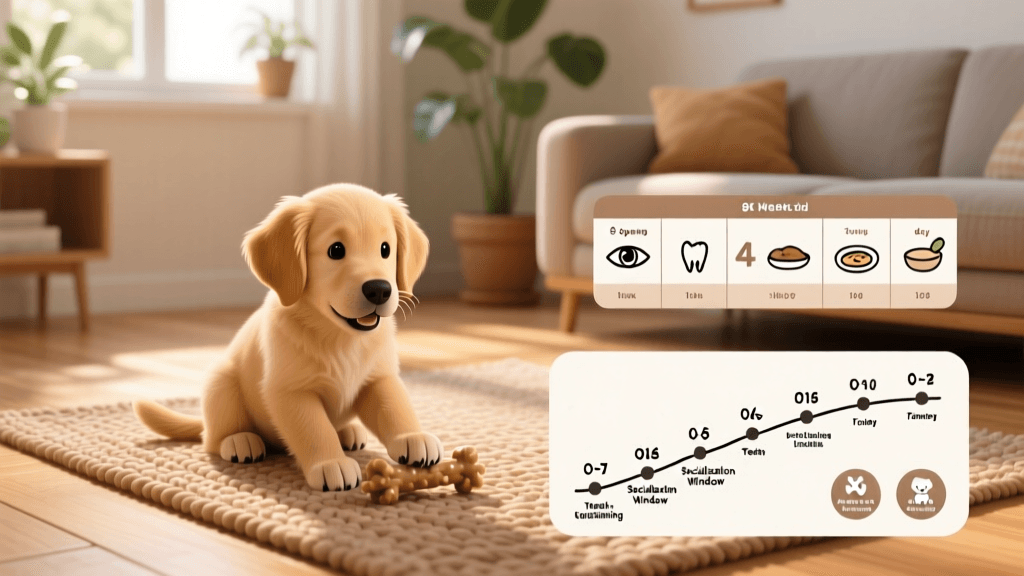
Between 3 and 6 months of age, your puppy will begin teething. While chewing is a physical necessity, the accompanying whining, crying, and restless pacing can easily penetrate shared apartment walls. Managing this phase requires proactive engagement rather than reactive scolding.
Sound-Dampening Chew Toys
Avoid hard nylon bones or toys with internal bells that create sharp, repetitive clicking sounds against hardwood or laminate flooring. Instead, opt for natural rubber toys that can be stuffed and frozen. A frozen Kong filled with puppy-safe peanut butter and plain yogurt provides hours of silent, soothing relief for inflamed gums.
Snuffle Mats and Mental Fatigue
A tired puppy is a quiet puppy. Mental stimulation exhausts a dog faster than physical exercise. Utilize snuffle mats and lick mats during your work-from-home hours or when you need to keep the apartment silent for a virtual meeting. Licking is a naturally soothing behavior for dogs that reduces cortisol levels and minimizes vocalization.
2026 Feeding Schedules for Apartment Puppies
Feeding schedules in an apartment are intrinsically linked to potty training success. Free-feeding (leaving a bowl of kibble out all day) is highly discouraged for apartment puppies, as it makes predicting their elimination schedule nearly impossible.
- 8 to 12 Weeks: Feed 3 to 4 measured meals a day. Take the puppy to their balcony turf or carry them outside exactly 15 minutes after they finish eating.
- 12 to 24 Weeks: Transition to 3 meals a day. Monitor water intake in the evenings; pick up the water bowl two hours before bedtime to reduce middle-of-the-night potty emergencies.
- 6 Months and Beyond: Transition to 2 meals a day, aligning their digestion with your morning and evening commute schedules.
According to the American Veterinary Medical Association (AVMA), maintaining a strict, high-quality nutritional regimen is vital for a developing puppy's joint and cognitive health, which is especially important for breeds like the English Bulldog that are prone to obesity and joint stress in low-activity apartment environments.
Conclusion: Patience and Proactive Care
Raising a quiet puppy in an apartment in 2026 is a highly rewarding endeavor that requires logistical foresight. By selecting a breed suited for shared-wall living, utilizing modern balcony potty solutions, and proactively managing teething and socialization, you can cultivate a peaceful home environment. Your neighbors will appreciate the quiet, and your puppy will thrive in the heart of the city.
marcus-aldridge
All our authors care for dogs every day — read more of their work on the authors page.