Top Quiet Apartment Dog Breeds For Canine Wellness 2026
Discover the best quiet dog breeds for apartments in 2026 and learn expert mental enrichment strategies to ensure optimal canine wellness in small spaces.
The Rise of the Quiet Apartment Dog in 2026
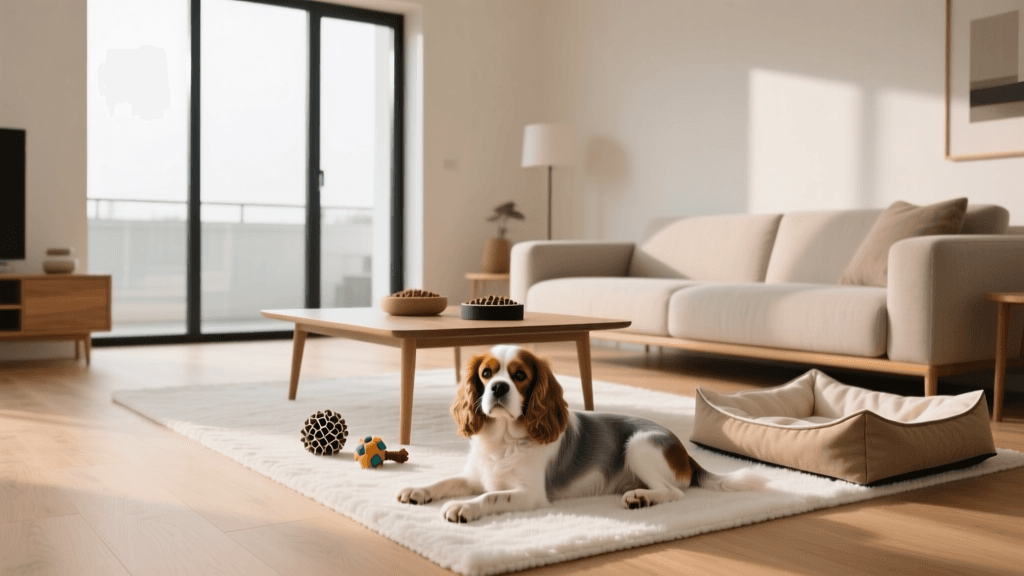
As urban living continues to evolve in 2026, the demand for apartment-friendly canine companions has reached an all-time high. With more people working in hybrid environments and residing in high-density housing, the emphasis has shifted toward quiet dog breeds that thrive in smaller spaces without disrupting neighbors. However, a quiet demeanor does not equate to a lack of needs. Veterinary behaviorists in 2026 emphasize that silent or low-vocalizing breeds often internalize stress, making their mental health and holistic wellness just as critical as their physical health.
Choosing the right breed is only the first step. Ensuring their psychological wellbeing requires targeted mental enrichment, specialized veterinary care, and an understanding of their unique physiological traits. According to the American Kennel Club, selecting a breed that naturally aligns with your living situation is the foundation of a stress-free human-animal bond. In this comprehensive guide, we explore the best quiet dog breeds for apartments and detail the 2026 wellness protocols required to keep them happy, healthy, and mentally stimulated.
Top Quiet Dog Breeds for Apartment Wellness
1. Cavalier King Charles Spaniel
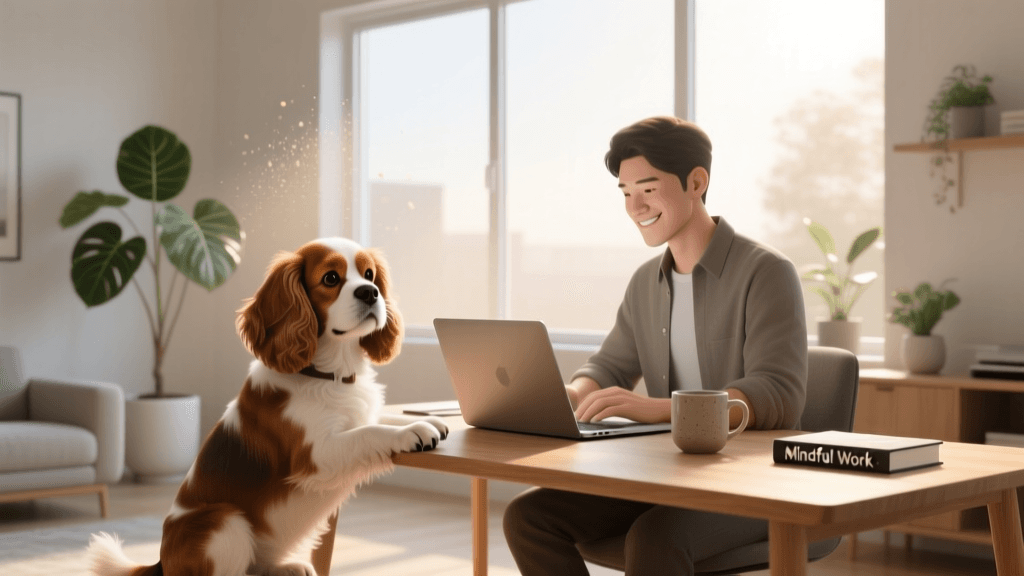
The Cavalier King Charles Spaniel is the quintessential apartment dog. Known for their gentle disposition and profound empathy, they rarely bark without a significant reason. Their adaptability makes them perfect for small spaces, but their wellness profile requires careful attention. Cavaliers are prone to mitral valve disease (MVD) and syringomyelia. In 2026, veterinary cardiologists recommend bi-annual cardiac screenings for this breed, even in their youth. Mentally, they are deeply social and can develop separation anxiety if left alone for long periods, necessitating structured indoor companionship and interactive bonding exercises.
2. The Greyhound: The Ultimate Couch Potato
Despite their racing heritage, retired Greyhounds are famously known as '45-mph couch potatoes.' They are incredibly quiet, rarely barking, and are content to sleep for up to 18 hours a day. Their primary apartment challenge is their lack of body fat and prominent joints, which makes hard flooring uncomfortable. Investing in high-density orthopedic bedding is a mandatory wellness requirement. Mentally, Greyhounds benefit from short, high-intensity sprints in a secure, enclosed dog run, followed by deep-tissue massage and passive enrichment at home.
3. Shiba Inu: The Independent Observer
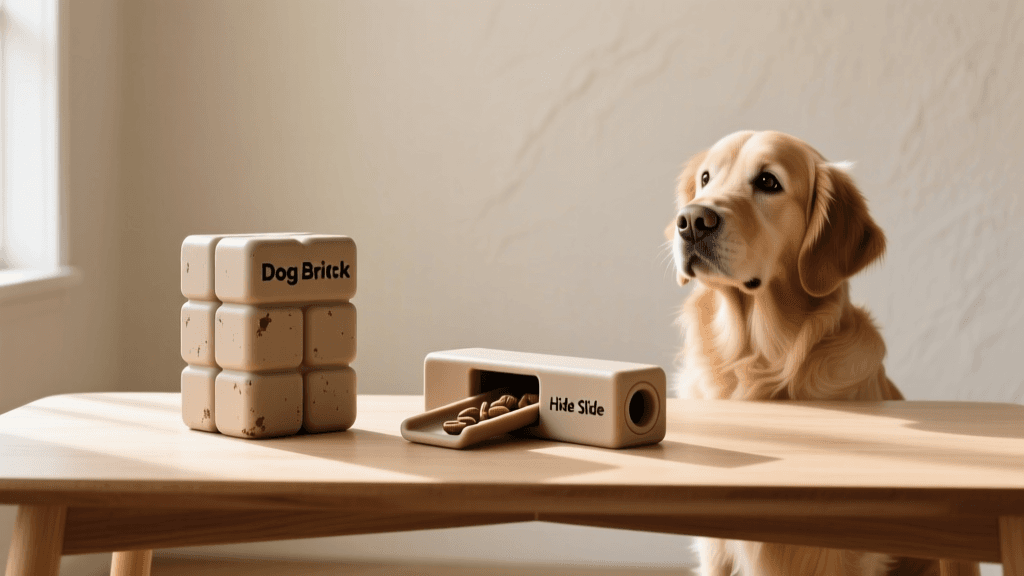
Shiba Inus are notoriously quiet, often described as cat-like in their cleanliness and independence. They do not suffer from the same separation anxiety as spaniels, making them ideal for owners who work outside the home. However, their high intelligence and strong prey drive mean they require rigorous mental stimulation to prevent destructive boredom. Scent-tracking games and advanced puzzle feeders are essential to keep their active minds engaged within the confines of an apartment.
4. Basset Hound: The Low-Key Companion
Basset Hounds are laid-back, relatively quiet, and move at a leisurely pace that suits apartment living perfectly. Their wellness profile is dominated by spinal health; their long backs and short legs make them susceptible to Intervertebral Disc Disease (IVDD). Owners must strictly manage their weight and prevent them from jumping on and off furniture using specialized pet ramps. Mentally, Bassets are driven by their noses, requiring daily olfactory enrichment to feel fulfilled.
Understanding the Mental Health Needs of Quiet Breeds
A common misconception in canine psychology is that a quiet dog is a content dog. In reality, many quiet breeds suppress their natural instincts in confined environments, leading to chronic low-grade stress. The RSPCA highlights that environmental enrichment is not a luxury, but a fundamental welfare requirement for all dogs, particularly those in space-restricted environments.
Signs of poor mental health in quiet apartment dogs include:
- Excessive licking of paws or surfaces (a self-soothing mechanism)
- Withdrawal or hiding in dark corners
- Loss of appetite or sudden changes in eating habits
- Repetitive behaviors, such as pacing or shadow-chasing
To combat these issues, 2026 veterinary behavior protocols focus heavily on 'choice-based' enrichment, allowing the dog to make decisions and exert control over their environment, which drastically reduces anxiety.
2026 Enrichment Strategies for Small Spaces
Smart Puzzle Feeders and Olfactory Mats
Feeding your dog from a standard bowl is a missed opportunity for mental stimulation. The latest 2026 smart puzzle feeders utilize adjustable resistance and app-controlled dispensing to keep breeds like the Shiba Inu engaged for hours. For scent-driven breeds like the Basset Hound, high-density snuffle mats that mimic foraging in tall grass are highly recommended. Hiding low-calorie, high-value treats within these mats engages their olfactory cortex, tiring them out mentally faster than a physical walk.
Indoor Biophilic Sensory Gardens
One of the most exciting wellness trends in 2026 is the indoor biophilic sensory garden. Apartment dwellers are dedicating small corners or balconies to dog-safe, sensory-rich plants. Growing wheatgrass, chamomile, and lavender in shallow, sturdy planters allows dogs to safely sniff, nibble, and interact with nature. This holistic approach lowers cortisol levels and provides a natural, calming environment that mimics the outdoors.
Lick Mats and Endorphin Release
Licking is a naturally soothing behavior for dogs that releases endorphins and promotes a state of calm. Spreading dog-safe bone broth, plain pumpkin puree, or specialized canine probiotic pastes onto textured silicone lick mats and freezing them provides a long-lasting, stress-relieving activity. This is particularly effective for Cavaliers who need soothing routines before their owners leave for work.
Comparison Chart: Quiet Breeds and Their Wellness Needs
| Breed | Energy Level | Primary Health Risk | Best Enrichment Type | Vocalization Tendency |
|---|---|---|---|---|
| Cavalier King Charles Spaniel | Low to Moderate | Mitral Valve Disease (Heart) | Interactive Bonding & Gentle Puzzles | Very Low |
| Greyhound | Low (Indoors) | Joint Pain & Pressure Sores | Visual Stimulation & Scent Work | Very Low |
| Shiba Inu | Moderate to High | Allergies & Patellar Luxation | Advanced Puzzle Toys & Hide-and-Seek | Low (Occasional 'Yodel') |
| Basset Hound | Low | Intervertebral Disc Disease (Spine) | Olfactory Tracking & Snuffle Mats | Low to Moderate (Bay) |
Veterinary and Holistic Wellness Considerations
Managing the health of an apartment dog requires a proactive, holistic approach. The ASPCA recommends establishing a comprehensive preventive care routine that addresses both the physical and environmental factors of your specific living situation.
Joint and Spinal Support
For breeds prone to spinal and joint issues, such as the Greyhound and Basset Hound, integrating veterinary-approved omega-3 fatty acids and glucosamine supplements into their 2026 diet plan is crucial. Furthermore, utilizing memory-foam orthopedic beds with waterproof, washable covers ensures that their joints are supported during their long resting periods.
Weight Management in Small Spaces
Apartment dogs naturally get less incidental exercise than those with large backyards. Obesity is a severe threat to the holistic wellness of quiet breeds, exacerbating conditions like IVDD and heart disease. Utilizing smart collars that track daily caloric expenditure and step counts allows owners to precisely measure their dog's activity levels and adjust their daily caloric intake accordingly. In 2026, working with a canine nutritionist to formulate a high-protein, low-carbohydrate diet is considered the gold standard for apartment-dwelling dogs.
Anxiety and Holistic Calming Therapies
For dogs that exhibit signs of apartment-induced stress, holistic therapies such as canine massage, acupuncture, and the use of dog-appeasing pheromone (DAP) diffusers have shown remarkable efficacy. Creating a 'safe zone'—a sound-dampened crate or a designated corner with a weighted anxiety wrap—can provide a sanctuary for the dog when the apartment environment becomes overstimulating due to hallway noises or neighboring units.
Conclusion
Living with a quiet dog breed in an apartment is a deeply rewarding experience, provided their unique physical and mental wellness needs are met. By selecting the right breed, implementing cutting-edge 2026 enrichment strategies, and adhering to strict veterinary preventive care, you can ensure your canine companion thrives in a small space. Remember, a quiet dog is not necessarily a low-maintenance dog; they simply express their needs differently, relying on you to provide a rich, stimulating, and health-focused environment.
robin-maitland
All our authors care for dogs every day — read more of their work on the authors page.