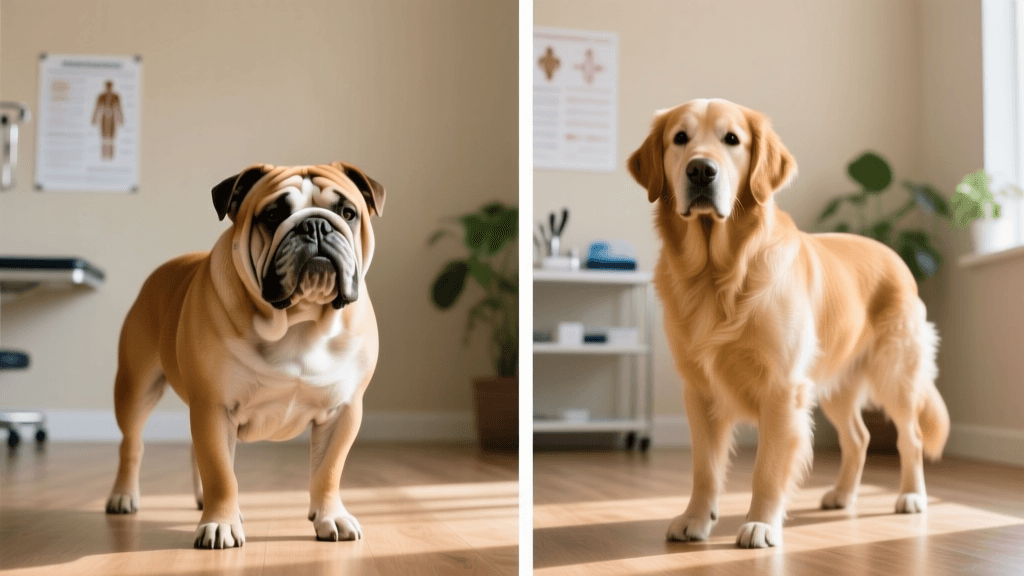
Canine Weight Management: Diet Plans and Puzzle Feeders
Discover actionable canine weight management strategies. Learn caloric calculations, portion control tips, and the best puzzle feeders for dogs.

The Hidden Epidemic of Canine Obesity
Canine obesity is no longer just a cosmetic issue; it is a pervasive metabolic disease that drastically reduces a dog's quality of life and lifespan. According to the Association for Pet Obesity Prevention, over 50% of dogs in the United States are classified as overweight or obese. Excess adipose tissue is not merely inactive fat storage; it is an active endocrine organ that secretes inflammatory hormones, directly contributing to osteoarthritis, insulin resistance, and cardiovascular strain. Tackling this issue requires a strategic, multi-faceted approach to nutrition and feeding behaviors, moving far beyond the generic advice of simply "feeding less."
Step 1: Calculating Daily Caloric Needs
The foundation of any successful weight management plan is precision. Feeding guidelines printed on the back of a dog food bag are often generalized and can lead to overfeeding by as much as 25% for less active dogs. To determine your dog's exact caloric requirements, veterinarians use the Resting Energy Requirement (RER) formula, which calculates the baseline calories needed to maintain basic physiological functions at rest.
The RER Formula: RER = 70 x (Body Weight in kg)^0.75
Once you have the RER, you multiply it by a life-stage and activity factor. For a typical neutered adult dog, the multiplier is 1.6. However, for a dog actively undergoing a weight loss program, the multiplier is typically 1.0 (feeding at the RER of their target weight, not their current weight).
Caloric Requirements Data Table
The table below illustrates the daily caloric needs for dogs at various target weights. Always consult your veterinarian before initiating a caloric restriction, as underlying conditions like hypothyroidism can alter metabolic rates.
| Target Weight | RER (Base) | Neutered Adult (1.6x) | Weight Loss (1.0x) |
|---|---|---|---|
| 15 lbs (6.8 kg) | 288 kcal | 460 kcal | 288 kcal |
| 30 lbs (13.6 kg) | 495 kcal | 792 kcal | 495 kcal |
| 50 lbs (22.7 kg) | 741 kcal | 1185 kcal | 741 kcal |
| 75 lbs (34.1 kg) | 1018 kcal | 1628 kcal | 1018 kcal |
Step 2: Ditch the Scoop, Use a Digital Scale
One of the most common pitfalls in canine nutrition is the use of standard measuring cups. Kibble density varies wildly between brands and even between different formulas from the same manufacturer. For example, one cup of a high-performance sporting dog formula might contain 400 kcal, while one cup of a standard adult maintenance formula might contain only 320 kcal. Furthermore, human error in scooping—such as shaking the cup or packing the kibble—can result in a 20% variance in portion size.
Actionable Advice: Invest in a digital kitchen scale, such as the Ozeri ZK14-S Pronto Digital Multifunction Kitchen and Food Scale (typically priced around $15). Weigh your dog's daily food allocation in grams. If your dog's daily allowance is 120 grams, divide it precisely into two 60-gram meals. This eliminates guesswork and ensures strict adherence to the caloric deficit required for weight loss.
Step 3: Implementing Slow-Feeding Puzzle Toys
Weight management is not just about what your dog eats, but how they eat. Rapid eating leads to poor satiety signaling, meaning the dog feels hungry even after consuming their full caloric allotment. Puzzle feeders slow down consumption, provide vital mental enrichment, and stimulate the release of satiety hormones. Here are three highly effective, budget-friendly puzzle feeders:
- Kong Classic (Red) - Approx. $15: The gold standard for beginner enrichment. Instead of feeding kibble in a bowl, mix your dog's measured dry food with a small amount of water or low-sodium bone broth to create a mash, stuff it into the Kong, and freeze it overnight. This can turn a 2-minute meal into a 30-minute licking and foraging session.
- Outward Hound Dog Brick Puzzle - Approx. $15: This flat puzzle features sliding compartments and removable bone-shaped covers. It is excellent for dogs that need to use their paws and snouts to uncover their kibble. It is easy to clean and made from BPA-free, phthalate-free materials.
- PetSafe Bob-A-Lot Interactive Feeder - Approx. $20: Designed for highly food-motivated dogs, this weighted, wobble-style toy features adjustable openings. You can pour the exact gram-weighted daily kibble allowance into the top chamber and adjust the difficulty gate to control the dispensing rate. It encourages physical movement and mimics natural foraging behaviors.
Step 4: The 10% Treat Rule and Low-Calorie Swaps
Treats are the silent saboteurs of weight loss plans. The WSAVA Global Nutrition Guidelines strongly recommend that treats and snacks should never exceed 10% of a dog's total daily caloric intake. For a 30-pound dog on a weight loss plan consuming 495 kcal per day, the treat allowance is a meager 49 kcal. A single standard commercial training biscuit can contain up to 40 kcal, effectively blowing the daily treat budget in one bite.
High-Volume, Low-Calorie Swaps:
- Frozen Green Beans: 2 kcal per bean. Excellent for crunch and high in fiber.
- Baby Carrots: 4 kcal per carrot. Great for dental scraping and satisfying chewers.
- Cucumber Slices: 2 kcal per slice. Highly hydrating and practically calorie-free.
- Apple Slices (No Seeds): 15 kcal per slice. A great sweet alternative to commercial jerky treats.
Managing Hunger Pangs with Dietary Fiber
When transitioning a dog to a caloric deficit, begging and hunger pangs are inevitable. To combat this without adding excess calories, incorporate soluble fiber into their meals. Plain, 100% pure canned pumpkin puree (strictly not pumpkin pie filling, which contains toxic spices and sugars) is an exceptional tool. One tablespoon of plain pumpkin puree contains only about 5 calories but provides a significant amount of dietary fiber, which slows gastric emptying and keeps the dog feeling fuller for longer. Adding one tablespoon to each meal can drastically reduce begging behaviors.
Monitoring Progress and Body Condition Scoring
Weight loss in dogs should be gradual, targeting a loss of 1% to 2% of their total body weight per week. Rapid weight loss can result in muscle wasting and nutritional deficiencies. The Clinical Nutrition Service at Tufts University emphasizes the importance of utilizing the 9-point Body Condition Score (BCS) system rather than relying solely on the scale. A dog with an ideal BCS of 4 or 5 should have a visible waist when viewed from above, an abdominal tuck when viewed from the side, and ribs that are easily palpable without a thick layer of fat covering them.
Weigh your dog every two weeks using a home scale (for small dogs, weigh yourself holding the dog, then subtract your weight). Adjust the daily caloric intake by 10% increments if weight loss stalls for more than three consecutive weeks. By combining precise caloric math, digital weighing, interactive puzzle feeders, and low-calorie fiber additions, you can safely guide your dog back to an optimal weight, adding years of active, pain-free life to their journey.
anouk-beaumont
All our authors care for dogs every day — read more of their work on the authors page.