Canine Scent Work: Top Bonding Nose Games For 2026
Discover how canine scent work and nose games build trust with anxious dogs. Explore 2026 enrichment kits, DIY setups, and the psychology of sniffing.
The Psychology of Sniffing: Why Scent Work Builds Trust
When we think of bonding with our dogs, we often picture long walks, games of fetch, or cuddling on the couch. However, as veterinary behaviorists emphasize in 2026, one of the most profound ways to connect with your dog is through their primary sense: smell. Canine scent work is not just a fun trick; it is a fundamental psychological need that, when fulfilled, drastically reduces anxiety and deepens the human-animal bond.
Dogs possess up to 300 million olfactory receptors in their noses, compared to our mere six million. The part of a dog's brain devoted to analyzing odors is proportionally 40 times greater than ours. When a dog sniffs, they are not just smelling; they are processing complex environmental data, reading the 'news' of their neighborhood, and engaging in a mentally stimulating activity that tires them out faster than physical exercise. According to the American Veterinary Medical Association, providing species-appropriate mental enrichment is critical for preventing behavioral issues and promoting emotional stability in dogs.
For anxious or reactive dogs, sniffing acts as a natural calming mechanism. The physical act of deep sniffing lowers a dog's heart rate and activates the parasympathetic nervous system, shifting them from a state of 'fight or flight' to 'rest and digest.' Furthermore, recent applied animal behavior studies highlight that dogs who engage in daily olfactory enrichment show a significant reduction in cortisol levels compared to those who only receive physical exercise. This means that a 15-minute sniffing session on a snuffle mat can do more to alleviate separation anxiety and noise phobias than an hour of walking around the block. When you facilitate this stress relief, your dog associates your presence with safety and emotional regulation.
Top 2026 Scent Enrichment Methods Compared
Choosing the right scent work activity depends on your dog's current confidence level, your living space, and your budget. Below is a comparison of the most effective nose games and enrichment tools available in 2026.
| Enrichment Method | Est. Cost (2026) | Setup Time | Bonding Intensity | Best For |
|---|---|---|---|---|
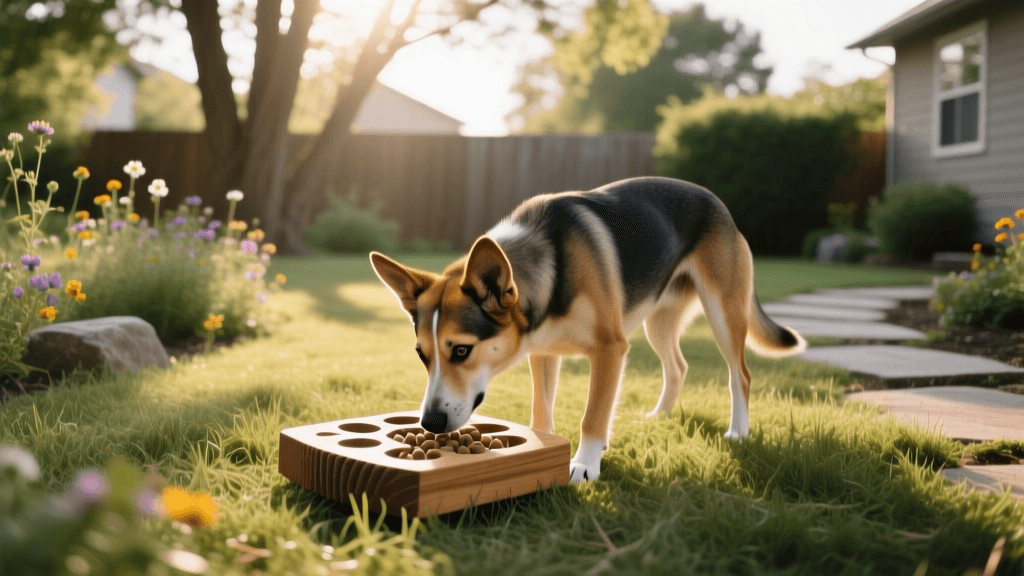
| DIY Fleece Snuffle Mat | $15 - $25 | 5-10 mins | Medium | Beginners, high-energy dogs, meal-time enrichment |
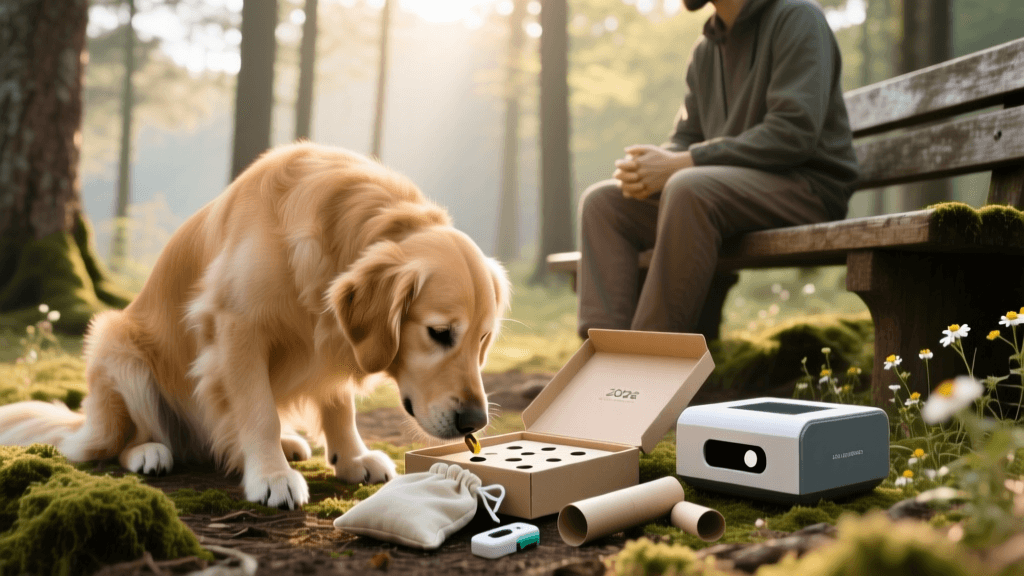
| Commercial Scent Kits (e.g., SniffyLabs 2026 Edition) | $45 - $65 | 15 mins | High | Intermediate dogs, building focus, indoor rainy days |
| Interactive Puzzle Toys (Nina Ottosson Dog Brick) | $20 - $35 | 2 mins | Low-Medium | Independent play, problem-solving, food-motivated dogs |
| Outdoor Hide-and-Seek Trails | $0 (Uses treats/toys) | 10 mins | Very High | Advanced bonding, recall training, confident dogs |
Step-by-Step: Teaching the 'Find It' Game for Anxious Dogs
The 'Find It' game is the cornerstone of relationship-building through scent. It teaches your dog to rely on their nose while looking to you for guidance and reward. Here is how to implement this protocol in 2026, keeping modern positive reinforcement standards in mind.
Phase 1: Visual to Olfactory Transition
Start in a quiet, low-distraction room. Show your dog a high-value treat, such as freeze-dried beef liver or a piece of boiled chicken. Toss it just a few feet away where they can clearly see it land. As they move toward it, use a cheerful marker word like 'Yes!' or a clicker. Once they eat it, repeat. This builds the association that searching yields rewards.
Phase 2: Engaging the Nose
Once your dog understands the game, begin hiding the treat in plain sight but slightly obscured—under the edge of a rug, behind a table leg, or inside a shallow cardboard box. Give your cue: 'Find it!' Allow them to search. If they struggle, gently point to the area to prevent frustration. The goal is to build confidence, not test their limits. You can also introduce different textures to challenge their tactile and olfactory senses simultaneously. Hiding treats inside a pile of crumpled, dog-safe paper or within the folds of a thick fleece blanket forces them to use their snout to move obstacles, mimicking the natural foraging behaviors of their wild ancestors. This multi-sensory approach keeps the brain highly engaged and prevents boredom.
Phase 3: The Human Element (Hide and Seek)
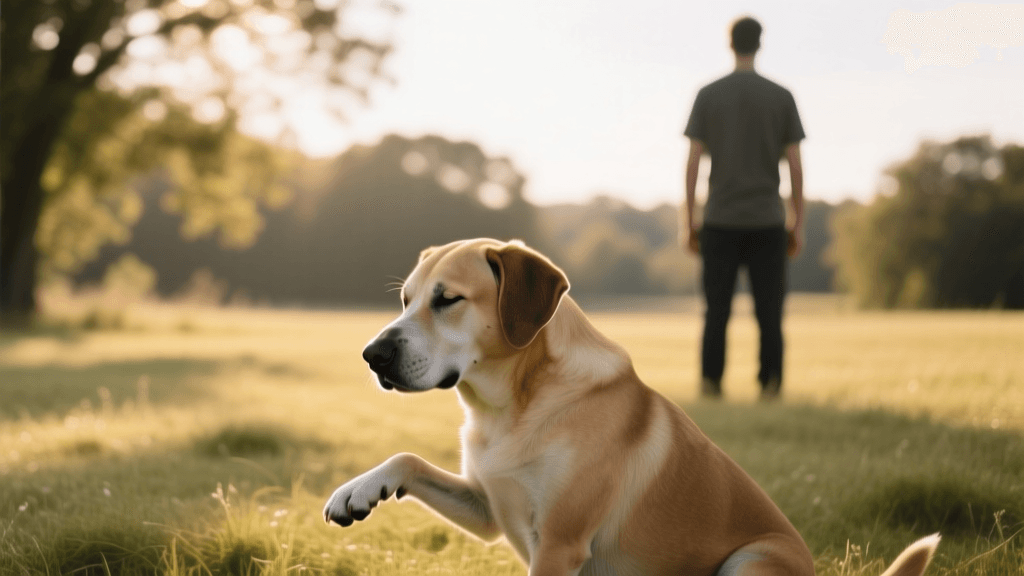
This is where the deep bonding occurs. Have a family member hold your dog or place them in a 'stay' command in another room. Hide yourself in an accessible spot (behind a door, under a blanket). Call your dog's name once. When they use their nose and eyes to track you down, reward them with a massive jackpot of treats and enthusiastic praise. This reinforces that finding you is the best possible outcome, drastically improving recall and trust.
Reading Your Dog's Body Language During Scent Work
Understanding your dog's communication signals during nose games is vital for maintaining a positive relationship. According to resources highlighted by the American Kennel Club's Scent Work guidelines, handlers must learn to read subtle canine body language to know when a dog is 'in odor' versus when they are frustrated.
- The 'Sniffing Dip': When a dog catches a scent cone, their head will often drop sharply, and their breathing pattern will change to rapid, shallow sniffs. This is the moment to encourage them quietly.
- Calming Signals: If your dog suddenly stops to scratch, yawn, or lick their lips during a search, they may be feeling overwhelmed or mentally fatigued. These are appeasement signals indicating a need for a break.
- Frustration Signs: Pawing frantically at a puzzle toy or whining without sniffing means the task is too hard. Immediately lower the criteria by making the hide easier to preserve their confidence.
It is also crucial to observe your dog's tail carriage and ear position. A relaxed, sweeping tail and forward-facing ears indicate a state of flow and enjoyment. Conversely, a tucked tail or pinned-back ears during a search suggests the environment might be too stressful or the hides too difficult. Always respect these boundaries and adjust the game to ensure your dog feels successful. Remember, you are a team, and your job is to set them up for victory, not to trick them.
Best Scent Work Products for 2026
If you are looking to invest in dedicated gear this year, the market has evolved significantly. The Outward Hound Nina Ottosson Dog Brick Puzzle remains a staple for 2026, featuring updated, easier-to-clean materials and adjustable difficulty sliders that prevent dogs from simply chewing through the compartments. For dedicated nose work, the SniffyLabs Advanced Scent Kit (2026 Refresh) includes safe, pre-diluted essential oils (Sweet Birch, Anise, and Clove) housed in leak-proof, dog-proof metal tins, aligning perfectly with competitive scent work standards.
Remember, the goal of scent work is not competition; it is connection. As noted by animal welfare advocates at the Humane Society, allowing dogs to express their natural foraging and tracking instincts is one of the most effective ways to improve their overall quality of life.
Expert Tip for 2026: Keep scent work sessions incredibly short. Five to ten minutes of intense sniffing is mentally equivalent to a two-mile run. Always end the session while your dog is still eager to play, leaving them wanting more. This builds anticipation and strengthens their desire to work with you next time.
Incorporating scent work into your relationship-building toolkit requires patience, observation, and a willingness to see the world from your dog's perspective. As you watch them navigate a complex scent trail or proudly locate a hidden treat, you are witnessing the purest expression of their canine nature. Embrace the power of their nose, and you will unlock a level of mutual understanding that transforms your relationship forever.
hannah-wickes
All our authors care for dogs every day — read more of their work on the authors page.