Training Dogs With Osteoarthritis: 2026 Low-Impact Guide
Discover how to safely train dogs with osteoarthritis in 2026. Learn low-impact tricks, mental stimulation routines, and joint-friendly conditioning tips.
Understanding Canine Osteoarthritis and Training Adaptations
When your dog is diagnosed with osteoarthritis (OA), it is a common misconception that their training days are over. In fact, according to current 2026 veterinary consensus, maintaining a structured, low-impact training routine is a critical component of a multimodal osteoarthritis treatment plan. Osteoarthritis is a degenerative joint disease that causes cartilage breakdown, inflammation, and chronic pain. While high-impact activities like agility weaving, frisbee catching, and repetitive jumping must be retired, cognitive training and gentle conditioning are more important than ever.
Dogs are working animals at heart. When physical exertion is limited by joint pain, dogs often develop secondary behavioral issues born from boredom and pent-up mental energy. By pivoting your training strategy to focus on low-impact tricks, scent work, and proprioception, you can keep your dog's mind sharp, maintain crucial muscle mass around compromised joints, and significantly improve their overall quality of life.
The 2026 Multimodal Approach to Canine Osteoarthritis
Modern veterinary medicine views canine OA through a multimodal lens. The Cornell University College of Veterinary Medicine emphasizes that treating OA requires a combination of weight management, pharmaceutical interventions (such as NSAIDs or monthly OA injections), environmental modifications, and controlled physical therapy. Training fits seamlessly into this model. Controlled movement prevents muscle atrophy, which is vital because the muscles surrounding a joint act as shock absorbers. When a dog stops moving due to pain, those muscles weaken, placing even more stress on the deteriorating joint.
Furthermore, the American College of Veterinary Surgeons (ACVS) notes that maintaining a healthy body condition score is one of the most effective ways to slow OA progression. Training sessions provide a controlled environment to monitor your dog's mobility while utilizing low-calorie, high-value rewards that fit within a strict weight-management diet.
Core Rules for Training Dogs with Joint Pain
Before introducing new exercises, you must establish a safe training environment and adhere to strict biomechanical rules to prevent flare-ups.
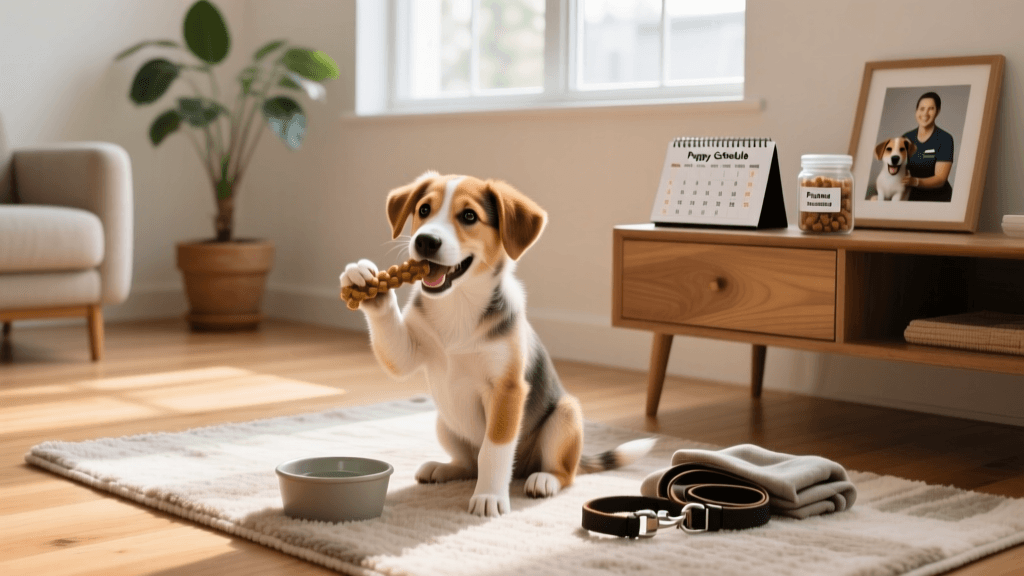
- Eliminate Slippery Surfaces: Never train on hardwood, tile, or laminate flooring. A sudden slip can cause a micro-tear in a compromised joint. Invest in a large, non-slip rubber mat (at least 4x6 feet) or interlocking foam puzzle mats to provide a stable, shock-absorbing training surface.
- Avoid Neck Strain: Dogs with OA often suffer from concurrent spinal or cervical spondylosis. Avoid asking your dog to look sharply up or down for treats. Bring the reward to their natural head level.
- Cap Session Lengths: Mental fatigue sets in faster than physical fatigue. Limit training sessions to 5 to 10 minutes, two or three times a day, rather than one long 30-minute session.
- Use a Harness, Not a Collar: If you need to guide your dog during a session, use a well-fitted Y-front harness to distribute pressure across the chest rather than the cervical spine.
Top Low-Impact Tricks and Conditioning Exercises
The following exercises are specifically designed to burn mental energy and maintain core strength without placing undue stress on the hips, knees, or shoulders.
1. Scent Work and Nosework
Olfactory processing requires immense neurological energy. Ten minutes of intense scent work can tire a dog out as much as a two-mile walk. In 2026, indoor nosework kits and snuffle mats are widely recommended for senior dogs. Start by hiding a strong-smelling, low-calorie treat (like a single piece of freeze-dried minnow) under a towel or inside a snuffle mat. Gradually increase the difficulty by hiding the scent in different rooms or inside cardboard boxes. This requires the dog to move slowly and deliberately, engaging their brain without requiring explosive physical movements.
2. The 'Chin Rest' Trick
The chin rest is a foundational veterinary cooperative care trick that is entirely stationary. It teaches the dog to rest their chin on your palm or a designated stool, which is incredibly useful for administering eye drops or ear medications without restraint. Step 1: Sit in a chair and place a soft towel on your lap. Hold a lick mat or a spoon with a tiny amount of dog-safe peanut butter at your dog's natural head height. Step 2: Allow the dog to lick the treat. As they do, gently place your hand under their chin. Step 3: Mark the behavior with a clicker or a verbal 'Yes' and reward. Step 4: Gradually increase the duration they must keep their chin resting on your hand before receiving the reward. This builds neck stability and focus without any joint loading.
3. Proprioception and Balance Pad Training
Proprioception is the body's ability to sense its location and movements. OA can dull a dog's proprioceptive awareness, leading to stumbling. Using inflatable canine balance pads or dense foam wedges, you can train your dog to place their front paws on an unstable surface while keeping their back paws on the floor. This 'front paw target' exercise forces the dog to engage their core and shoulder stabilizers isometrically. Because the dog is not stepping up or jumping down, the joint impact is near zero, but the muscular benefit is substantial.
4. The 'Middle' Command
Teaching your dog to walk between your legs and sit squarely is an excellent way to practice controlled, straight-line movement. Stand with your feet shoulder-width apart. Lure your dog through your legs using a high-value treat, stopping the lure right at your center of gravity so the dog sits squarely between your ankles. This trick prevents the dog from making sharp, twisting turns, which are highly detrimental to arthritic knees and hips.
High-Impact vs. Low-Impact Training Comparison
It is crucial to audit your current training repertoire and swap out damaging exercises for joint-friendly alternatives. The table below outlines common training commands and their 2026 OA-safe modifications.
| Traditional Exercise | Biomechanical Risk for OA Dogs | 2026 Low-Impact Alternative |
|---|---|---|
| Sit Pretty / Beg | Places extreme compressive force on the lumbar spine and sacroiliac joints. | Sphinx Down / Chin Rest (Maintains core engagement without spinal compression). |
| Weave Poles | Requires sharp lateral spinal flexion and uneven weight distribution on carpal joints. | Scent Work / Nosework (Encourages slow, deliberate, straight-line neck movement). |
| Jumping over Hurdles | High-impact landing causes micro-fractures and severe joint capsule inflammation. | Proprioception Pads (Isometric muscle engagement with zero impact). |
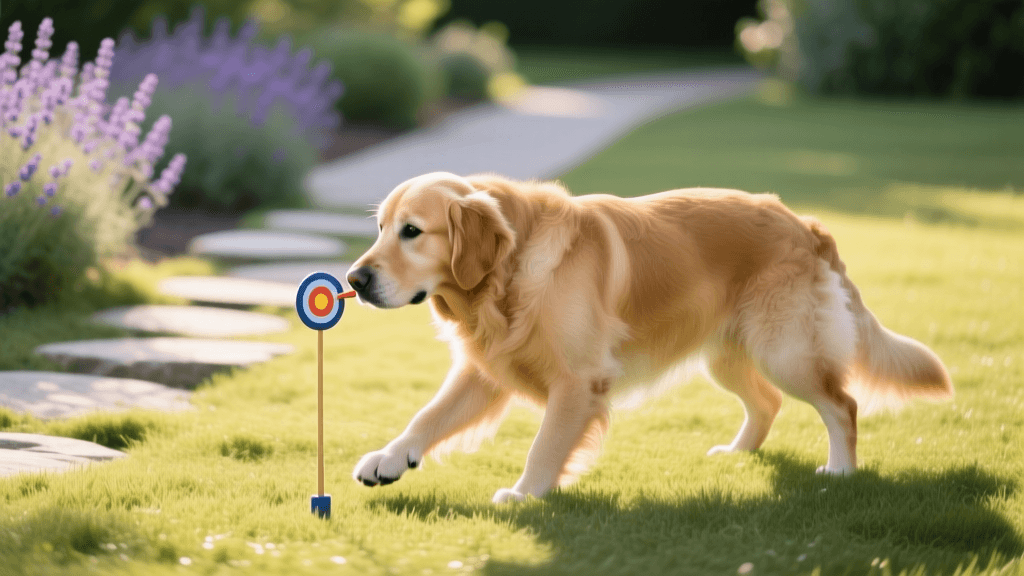
| Fetch / Ball Chasing | Sudden deceleration and sharp turning tear cruciate ligaments and damage cartilage. | Target Stick Training (Guides slow, controlled walking patterns and mental focus). |
| Roll Over | Requires severe spinal twisting and hip splaying, aggravating hip dysplasia and OA. | Hand Targeting / 'Touch' (Promotes controlled weight shifting and neck mobility). |
Reading Your Dog's Pain Signals During Sessions
Dogs are stoic creatures and will often work through pain to please their owners and earn a reward. As a handler, you must become an expert in reading subtle canine body language. If your dog exhibits any of the following 'calming signals' or stress indicators during a training session, stop immediately and consult your veterinarian, as these often indicate that their pain is not adequately managed:
- Excessive Lip Licking or Yawning: When not related to food or tiredness, these are primary indicators of physical discomfort or stress.
- Reluctance to Take Treats: If a food-motivated dog suddenly refuses high-value treats or takes them with excessive force (snapping), they are likely distracted by pain.
- Trembling or Muscle Fasciculations: Shaking in the hindquarters or back legs while holding a stationary position indicates muscle fatigue and joint instability.
- Shifting Weight: Constantly lifting a paw or shifting weight from one side to the other while standing is a clear sign of localized joint pain.
- Whale Eye: Showing the whites of their eyes while keeping their head pointed forward can indicate spinal or neck stiffness, making it painful to turn their head toward you.
Treat Selection and Weight Management
Because training relies heavily on positive reinforcement, the caloric intake from treats can quickly lead to weight gain. In 2026, veterinary nutritionists stress that every extra pound of body weight places four pounds of additional pressure on a dog's joints. To keep your OA dog lean, use single-ingredient, freeze-dried treats (like pure chicken breast or beef lung) that can be broken into pea-sized pieces. Alternatively, use a portion of your dog's daily measured kibble allotment as training rewards. For dogs on prescription joint diets, you can mash their wet food into a lickable paste and use a silicone training pouch to dispense tiny licks as rewards, eliminating the need for extra calories entirely.
Conclusion
A canine osteoarthritis diagnosis in 2026 is not a reason to stop training; it is a reason to train smarter. By embracing low-impact tricks, scent work, and proprioceptive conditioning, you provide your dog with the mental stimulation they crave while actively supporting their physical rehabilitation. Always work in tandem with your veterinary team to ensure your dog's pain management protocol is optimized, and remember that the ultimate goal of any training session is to enrich your dog's life, not compromise their comfort.
tom-renshaw
All our authors care for dogs every day — read more of their work on the authors page.