2026 Canine Osteoarthritis Care: Librela & PEMF Mats
Discover how to manage canine osteoarthritis in 2026 by combining monthly Librela injections with daily at-home PEMF mat therapy for optimal joint mobility.
The Evolution of Canine Osteoarthritis Management in 2026
Living with a dog suffering from canine osteoarthritis (OA) requires a delicate balance of compassion, environmental management, and cutting-edge veterinary science. As we navigate veterinary care in 2026, the landscape of canine pain management has evolved dramatically. We have moved away from relying solely on daily non-steroidal anti-inflammatory drugs (NSAIDs), which can tax a senior dog's liver and kidneys over time, toward targeted biologics and non-invasive home therapies. According to the American Kennel Club (AKC), osteoarthritis is a progressive, degenerative joint disease that affects up to 80% of senior dogs, making modern, sustainable management strategies more critical than ever.
Today's gold standard for at-home and clinical OA care involves a multimodal approach. By combining targeted nerve growth factor inhibitors with advanced electromagnetic therapies and strategic home modifications, pet parents can significantly extend their dog's active, pain-free years. This guide explores the most effective, vet-approved osteoarthritis treatments and daily routines available in 2026.
Recognizing the Subtle Signs of OA Early
Before diving into treatments, it is vital to recognize that dogs are stoic creatures. In 2026, veterinary behaviorists emphasize that 'slowing down' is not just a normal part of aging; it is often a primary clinical sign of chronic joint pain. Watch for micro-expressions of discomfort, such as lip licking when standing up, hesitation before jumping into the car, a 'bunny-hopping' gait in the hind legs, or increased irritability when groomed. Catching these signs early allows for proactive intervention before severe cartilage degradation occurs.
Librela (Bedinvetmab): The Biologic Game-Changer
The most significant advancement in recent veterinary orthopedic medicine is the widespread adoption of Librela (bedinvetmab). Unlike traditional NSAIDs that systemically reduce inflammation, Librela is a monoclonal antibody that specifically targets Nerve Growth Factor (NGF). NGF is a protein that becomes overexpressed in arthritic joints and is a primary driver of OA pain signaling to the brain.
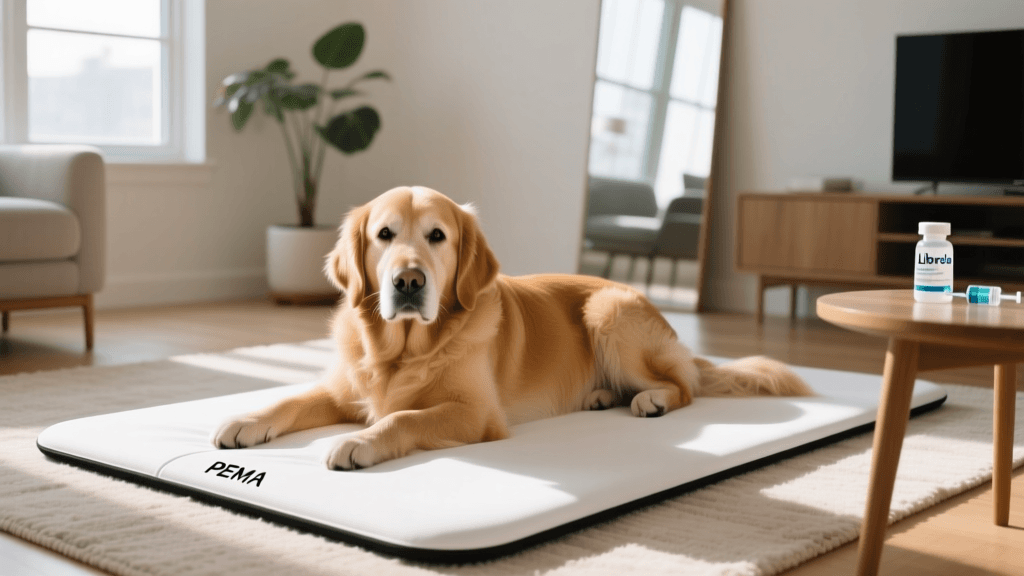
By neutralizing NGF, Librela effectively 'turns down the volume' on pain without interfering with the dog's natural inflammatory healing processes or stressing the renal and hepatic systems. The official Librela resource notes that this targeted therapy is administered as a simple monthly subcutaneous injection by your veterinarian. In 2026, the cost for a monthly Librela injection typically ranges from $85 to $140, depending on your dog's weight tier and regional veterinary pricing. For many pet owners, this monthly cost is highly justifiable given the profound improvement in their dog's mobility and the elimination of daily pill administration.
At-Home PEMF Therapy: The Assisi Loop Advantage
While Librela manages the neurological perception of pain, addressing the localized cellular environment of the joint is equally important. Pulsed Electromagnetic Field (PEMF) therapy has become a staple in 2026 canine rehabilitation. PEMF devices emit low-frequency electromagnetic waves that stimulate cellular metabolism, increase nitric oxide production, and promote localized blood flow to damaged tissues.
The Assisi Loop PEMF therapy device is widely considered the premier at-home option for pet parents. Priced around $279, the Assisi Loop is a portable, rechargeable ring that you place directly over your dog's affected joints—such as the hips, stifles (knees), or elbows. The device runs on an automatic 15-minute cycle. Veterinary rehabilitation specialists recommend using the Loop two to three times daily during flare-ups, and once daily for maintenance. Because it is non-invasive and drug-free, it pairs perfectly with Librela, offering a comprehensive attack on both the pain signaling and the localized joint environment.
Complementary Therapies: Hydrotherapy and Laser
If your budget and location allow, incorporating weekly hydrotherapy sessions at a certified canine rehab center is highly recommended. The buoyancy of the water unloads the joints while the resistance builds crucial supporting muscle mass. Additionally, Class IV Cold Laser therapy, often available at your primary vet clinic, can be used to stimulate tissue repair and reduce acute inflammation after a particularly active day.
Building Your Dog’s 2026 Daily Mobility Routine
Consistency is the cornerstone of osteoarthritis management. Below is a structured daily routine designed to maximize joint lubrication, minimize stiffness, and integrate modern therapies seamlessly into your life.
| Time of Day | Activity / Therapy | Tools & Products Used | Duration & Notes |
|---|---|---|---|
| Morning (7:00 AM) | Gentle Warm-Up & PEMF | Assisi Loop, Orthopedic Bed | 15 mins PEMF on hips while dog is waking up to reduce morning stiffness. |
| Mid-Morning (9:00 AM) | Controlled Sniffari Walk | Front-clip Harness, 6ft Leash | 20 mins on flat, soft terrain (grass/dirt). Avoid sharp turns and steep hills. |
| Afternoon (1:00 PM) | Targeted PEMF & Rest | Assisi Loop, Cooling Mat | 15 mins PEMF on elbows/stifles. Ensure dog rests in a draft-free, supportive area. |
| Evening (5:00 PM) | Mobility Exercises & Dinner | Raised Bowl, Omega-3 Supplements | 5 mins of 'sit-to-stand' reps for hindleg strength, followed by joint-support diet. |
| Night (8:00 PM) | Massage & Bedtime | Big Barker Bed, PetSafe Ramp | Gentle effleurage massage to promote circulation before sleep. |
Essential Home Modifications for the Arthritic Dog
Your home environment can either be an obstacle course or a healing sanctuary for an arthritic dog. In 2026, the market for senior dog accommodations is robust, but a few specific investments yield the highest return on your dog's quality of life.
1. Orthopedic Bedding
Do not skimp on your dog's bed. Memory foam beds that flatten out over time are detrimental to arthritic joints. The Big Barker 7-inch Orthopedic Dog Bed remains the industry leader in 2026. Priced between $350 and $450 depending on the size, it features high-density therapeutic foam that is clinically proven to prevent bottoming out. It comes with a 10-year warranty, making it a long-term investment in your dog's comfort.
2. Traction and Flooring
Slippery hardwood or tile floors are a nightmare for dogs with compromised hip stability. Cover high-traffic areas and the spaces around your dog's bed and food bowls with interlocking foam puzzle mats or non-slip yoga mats. This provides the necessary traction for them to stand up without their legs splaying out, which can cause acute micro-tears in already weakened joint capsules.
3. Ramps and Steps
Jumping into an SUV or onto a couch generates a force equivalent to several times your dog's body weight on their joints. Invest in a high-quality, foldable ramp like the PetSafe CozyUp Folding Pet Ramp (approximately $80). Train your dog to use it with high-value treats, ensuring they never have to endure the impact of jumping down from elevated surfaces.
Nutrition and Weight Management
No amount of medication or PEMF therapy can fully compensate for excess body weight. Keeping your arthritic dog lean—where you can easily feel their ribs without pressing hard—is the single most effective non-pharmaceutical intervention you can make. In 2026, veterinary nutritionists heavily advocate for diets rich in eicosapentaenoic acid (EPA) and docosahexaenoic acid (DHA). These specific Omega-3 fatty acids naturally inhibit the enzymes that destroy cartilage. Consider incorporating veterinary-specific joint diets like Hill's Prescription Diet j/d, or supplementing their current high-quality kibble with a trusted Omega-3 source like Nordic Naturals Omega-3 Pet or pure Green-Lipped Mussel powder.
Tracking Progress and Vet Check-ins
Managing canine osteoarthritis is not a 'set it and forget it' endeavor. Keep a digital journal or use a pet health app to track your dog's daily mobility scores, noting any days they seem stiff or reluctant to walk. Share this data with your veterinarian during your bi-annual check-ins. Your vet may need to adjust the dosage of complementary medications, recommend a referral to a certified canine rehabilitation therapist, or tweak your dog's weight management plan.
'The goal of osteoarthritis treatment in 2026 is not just to mask pain, but to preserve joint architecture, maintain muscle mass, and allow the dog to express their natural behaviors comfortably. A multimodal approach is the only way to achieve this.'
Conclusion
Canine osteoarthritis is a formidable diagnosis, but it is no longer the devastating sentence it was a decade ago. By embracing the 2026 standard of care—combining the targeted NGF inhibition of monthly Librela injections, the cellular healing of daily Assisi Loop PEMF therapy, and meticulous environmental and nutritional management—you can give your loyal companion the gift of comfortable, joyful movement. Stay observant, remain consistent with your daily routines, and work closely with your veterinary team to ensure your dog's golden years are truly golden.
tom-renshaw
All our authors care for dogs every day — read more of their work on the authors page.