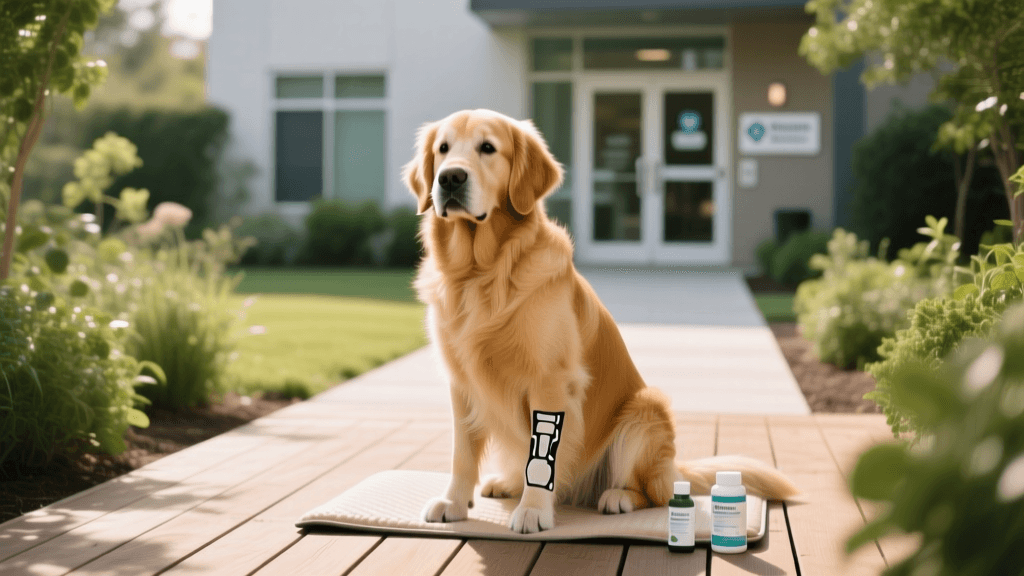
Canine Osteoarthritis Treatments in 2026: Librela, Laser & More
Discover the most effective canine osteoarthritis treatments in 2026. Compare Librela, Galliprant, laser therapy costs, and holistic joint care plans.
Understanding the 2026 Paradigm Shift in Canine OA Care
Osteoarthritis (OA), often referred to as degenerative joint disease, is a progressive, inflammatory condition that affects the cartilage and surrounding structures of a dog's joints. According to recent veterinary epidemiological data, over 20% of adult dogs and up to 80% of senior dogs show radiographic or clinical signs of OA. As we navigate veterinary care in 2026, the approach to managing canine OA has shifted dramatically from simple pain masking to comprehensive, multimodal disease modification. The modern veterinary consensus emphasizes early intervention, combining targeted biologics, advanced physical rehabilitation, and environmental modifications to preserve mobility and enhance the quality of life for our canine companions.
The American Kennel Club (AKC) notes that recognizing the subtle, early signs of OA—such as reluctance to jump, stiffness after resting, or changes in grooming habits—is critical. In 2026, waiting until a dog is visibly limping is no longer considered best practice. Instead, proactive screening and the immediate implementation of a multimodal treatment plan are the gold standards of care. This guide explores the most current, effective, and scientifically backed treatments for canine osteoarthritis available today, complete with updated pricing and actionable advice for pet owners.
Monoclonal Antibodies: The New Gold Standard (Librela)
The introduction and widespread adoption of anti-Nerve Growth Factor (NGF) monoclonal antibodies have fundamentally changed the OA treatment landscape. Librela (bedinvetmab) is a monthly subcutaneous injection that specifically targets and neutralizes NGF, a protein that plays a central role in OA pain signaling. Unlike traditional pain medications that are metabolized by the liver or kidneys, Librela is broken down into amino acids and recycled by the body, making it exceptionally safe for long-term use, even in senior dogs with compromised organ function.
As of 2026, Librela is widely considered a first-line therapy for moderate to severe canine OA. Clinical observations show that most dogs experience a significant reduction in pain and an increase in mobility within the first 30 to 60 days of treatment. The dosing is weight-dependent, and the average cost in 2026 ranges from $80 to $160 per month, depending on the size of the dog and regional veterinary pricing. While it does not halt the structural progression of cartilage degradation, its profound effect on pain management allows dogs to engage in physical therapy and low-impact exercise, which are vital for maintaining muscle mass around the affected joints.
NSAIDs and Targeted Pain Relief (Galliprant vs. Carprofen)
Non-steroidal anti-inflammatory drugs (NSAIDs) remain a cornerstone of OA management, particularly for acute flare-ups or as an adjunct to biologic therapies. However, the preference in 2026 has shifted toward targeted NSAIDs like Galliprant (grapiprant). Galliprant is an EP4 receptor antagonist, meaning it specifically blocks the prostaglandin E2 receptor responsible for OA pain and inflammation, without broadly inhibiting the COX enzymes that protect the stomach lining and maintain kidney blood flow.
Traditional NSAIDs like Carprofen (Rimadyl) or Meloxicam are still highly effective and widely used, but they require regular blood monitoring to ensure liver and kidney health, especially in aging dogs. The U.S. Food and Drug Administration (FDA) provides extensive guidelines on the safe administration of animal NSAIDs, emphasizing the importance of baseline bloodwork and avoiding the concurrent use of steroids. In 2026, Galliprant typically costs between $90 and $140 per month, offering a premium, organ-sparing alternative for dogs requiring daily oral pain management.
Physical and Regenerative Therapies
Pharmaceuticals alone cannot rebuild lost muscle or improve joint proprioception. Physical rehabilitation is a non-negotiable component of a 2026 OA treatment plan. Class IV Cold Laser Therapy (photobiomodulation) is frequently utilized in veterinary clinics to reduce localized inflammation and stimulate cellular repair. A typical course involves bi-weekly sessions for the first month, transitioning to monthly maintenance, with costs averaging $50 to $85 per session.
Hydrotherapy, particularly the use of an underwater treadmill, provides low-impact resistance training that strengthens the musculature supporting arthritic joints without the concussive forces of land-based exercise. Additionally, regenerative medicine options such as Platelet-Rich Plasma (PRP) and stem cell therapy are becoming more accessible. While PRP injections can cost between $500 and $800 per joint, they offer a localized, anti-inflammatory environment that can significantly delay the need for surgical interventions in joints like the stifles (knees) and elbows.
Nutraceuticals and Therapeutic Diets
Nutritional support is the foundation of chronic joint care. High-quality Omega-3 fatty acids, specifically those with high concentrations of EPA (eicosapentaenoic acid) and DHA (docosahexaenoic acid), are proven to downregulate inflammatory pathways in the joint capsule. In 2026, veterinary nutritionists recommend a minimum of 300 mg of combined EPA/DHA per 10 pounds of body weight daily for dogs with OA. Products like Nordic Naturals Omega-3 Pet or prescription therapeutic diets like Hill's Prescription Diet j/d are formulated to meet these exact clinical thresholds.
Beyond Omega-3s, joint supplements containing Green Lipped Mussel (Perna canaliculus), UC-II Collagen, and Hyaluronic Acid are highly recommended. Dasuquin Advanced with ESO remains a top-tier choice among veterinary orthopedic surgeons due to its synergistic blend of ASU (avocado/soybean unsaponifiables) and Boswellia serrata extract, which work together to protect cartilage matrix integrity. Expect to invest $40 to $70 monthly on premium, veterinary-recommended nutraceuticals.
2026 Canine OA Treatment Comparison Chart
| Treatment Type | Primary Mechanism | Est. 2026 Monthly Cost | Best Candidate |
|---|---|---|---|
| Librela (Bedinvetmab) | Anti-NGF Monoclonal Antibody | $80 - $160 | Senior dogs, multi-joint OA, organ-compromised pets |
| Galliprant (Grapiprant) | EP4 Receptor Antagonist | $90 - $140 | Dogs needing daily oral relief with high kidney/liver safety |
| Carprofen / Meloxicam | Non-selective / COX-2 NSAID | $30 - $75 | Acute flare-ups, budget-conscious management (with monitoring) |
| Class IV Laser Therapy | Photobiomodulation | $100 - $170 (maintenance) | Localized joint pain, post-surgical recovery, needle-averse dogs |
| Omega-3 / ASU Supplements | Cartilage Matrix Protection | $40 - $70 | All OA patients as a foundational baseline therapy |
Essential Home Modifications for Arthritic Dogs
Managing canine OA extends far beyond the veterinary clinic; the home environment must be optimized to prevent slips, falls, and unnecessary joint strain. The American Animal Hospital Association (AAHA) pain management guidelines stress that environmental modification is a critical, often overlooked pillar of multimodal pain therapy. In 2026, pet owners have access to superior orthopedic products designed specifically for canine biomechanics.
First, invest in a high-density, human-grade orthopedic bed. Brands like Big Barker utilize proprietary open-cell foam that prevents the bed from flattening out over time, ensuring that pressure points like the hips and shoulders are properly supported throughout the night. Second, replace slippery hardwood or tile floors with interlocking foam mats or low-pile, non-slip area rugs to provide traction. Finally, utilize ramps or pet stairs for vehicle entry and furniture access. A sturdy, adjustable ramp with a high-traction surface eliminates the explosive force required for a dog to jump into an SUV, preserving the structural integrity of the spine and hind limbs.
Conclusion
The landscape of canine osteoarthritis treatment in 2026 is more promising and effective than ever before. By moving away from reactive pain management and embracing a proactive, multimodal strategy that includes targeted biologics like Librela, organ-sparing NSAIDs, physical rehabilitation, and environmental modifications, we can significantly alter the trajectory of this degenerative disease. Always consult with your primary veterinarian or a board-certified veterinary orthopedic specialist to tailor a protocol that fits your dog's specific physiological needs, weight, and lifestyle. With the right combination of therapies, an OA diagnosis does not mean the end of your dog's active, joyful life.
anouk-beaumont
All our authors care for dogs every day — read more of their work on the authors page.