Understanding Canine OA Behavior And 2026 Treatments
Learn to read hidden canine osteoarthritis pain signals and explore 2026 behavioral impacts of modern OA treatments like Librela and Solensia.
The Silent Language of Canine Osteoarthritis
Dogs are masters of disguise. Evolved from wild ancestors who needed to mask weakness to survive, modern canines possess a deeply ingrained psychological instinct to hide their pain. For dog owners, this evolutionary trait means that the most common signs of canine osteoarthritis (OA) are rarely the obvious limps or whimpers we see in human medicine. Instead, canine OA communicates through subtle behavioral shifts, changes in body language, and psychological withdrawal. In 2026, veterinary behaviorists and pain management specialists emphasize that understanding your dog's osteoarthritis requires looking beyond their gait and deeply into their daily habits, social interactions, and micro-expressions.
Osteoarthritis is a degenerative joint disease that affects a significant portion of the aging dog population, as well as younger dogs with genetic predispositions or prior injuries. However, because dogs cannot verbally articulate the dull, chronic ache in their hips, knees, or shoulders, they adapt. They change how they greet you at the door, how they navigate slippery floors, and even how they tolerate being pet by strangers. Recognizing these behavioral adaptations is the first and most critical step in providing effective, modern treatment.
Decoding the Body Language of Joint Pain
To truly understand a dog suffering from OA, you must become fluent in canine body language. Chronic pain alters a dog's physical posture and facial expressions. According to the American College of Veterinary Surgeons (ACVS), early intervention is key to preserving joint function, but early intervention relies entirely on the owner's ability to spot early behavioral indicators.
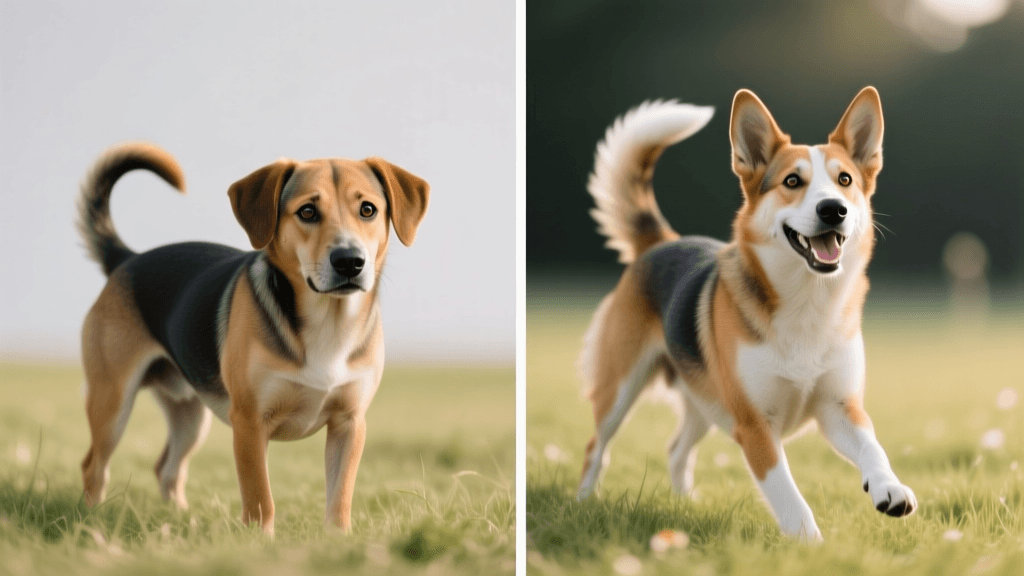
Watch for the 'pain face'—a term increasingly used in veterinary pain management. A dog experiencing joint pain may exhibit a flattened ear posture, narrowed eyes, and a tense muzzle. You might also notice 'whale eye' (showing the whites of the eyes) when approached from a certain angle, indicating anticipation of a painful movement. Weight shifting is another major clue; a dog with hip OA will frequently shift their weight to their front legs, resulting in an overdeveloped chest and shoulder area while their hind legs appear to atrophy.
Behavioral Shift: Normal Aging vs. OA Pain Signals
| Behavioral Trait | Normal Senior Aging | Canine OA Pain Signal |
|---|---|---|
| Sleeping Patterns | Longer, deeper naps in preferred spots. | Restlessness, frequent repositioning, inability to settle. |
| Greeting Rituals | Slower to stand, but still enthusiastic tail wags. | Stays lying down, avoids eye contact, or shows subdued tail wags. |
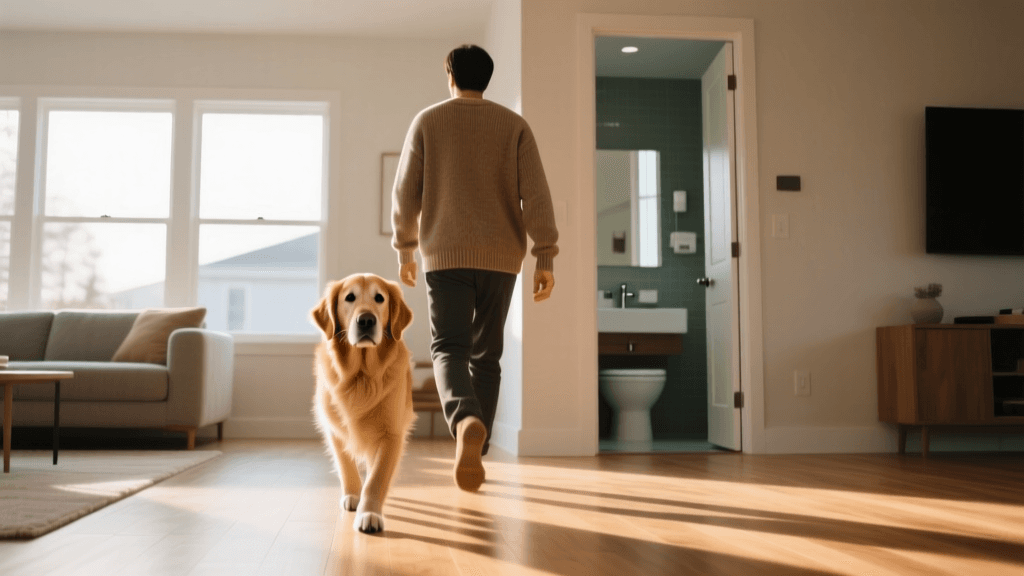
| Stair Navigation | Slower pace, cautious footing. | Hesitation, bunny-hopping, or outright refusal to climb. |
| Grooming Habits | Slightly less frequent self-grooming. | Over-grooming specific joints or complete neglect of hard-to-reach areas. |
| Social Tolerance | Prefers quiet company over rowdy play. | Snapping or growling when approached or touched near joints. |
The Psychological Toll: When Pain Changes Personality
One of the most heartbreaking aspects of untreated canine OA is the psychological toll it takes on the animal. Chronic pain is not just a physical sensation; it is a profound psychological stressor. In 2026, canine psychologists have drawn strong parallels between chronic pain in dogs and human depression and anxiety. A dog that is constantly in pain lives in a state of hyper-vigilance and stress. Their threshold for frustration drops dramatically.
This is frequently misinterpreted by owners as a dog simply becoming 'grumpy' or 'senile' in their old age. A previously friendly Golden Retriever might suddenly snap at a toddler reaching for their collar. A confident German Shepherd might develop noise phobias or separation anxiety. The American Kennel Club (AKC) notes that sudden behavioral issues, particularly unprovoked aggression or extreme clinginess, should always prompt a veterinary pain assessment before any behavioral modification training is attempted. Punishing a dog for pain-induced reactivity only compounds their psychological trauma, teaching them that their environment is unsafe and unpredictable.
2026 Canine OA Treatments: Restoring Mind and Body
The landscape of canine OA treatment has evolved remarkably. As of 2026, the veterinary consensus has shifted away from relying solely on traditional NSAIDs (Non-Steroidal Anti-Inflammatory Drugs), which can carry long-term risks for the liver and kidneys. Today, treatment is multimodal, focusing on nerve growth factor (NGF) inhibition, joint preservation, and environmental psychology.
Anti-NGF Monoclonal Antibodies (Librela and Solensia)
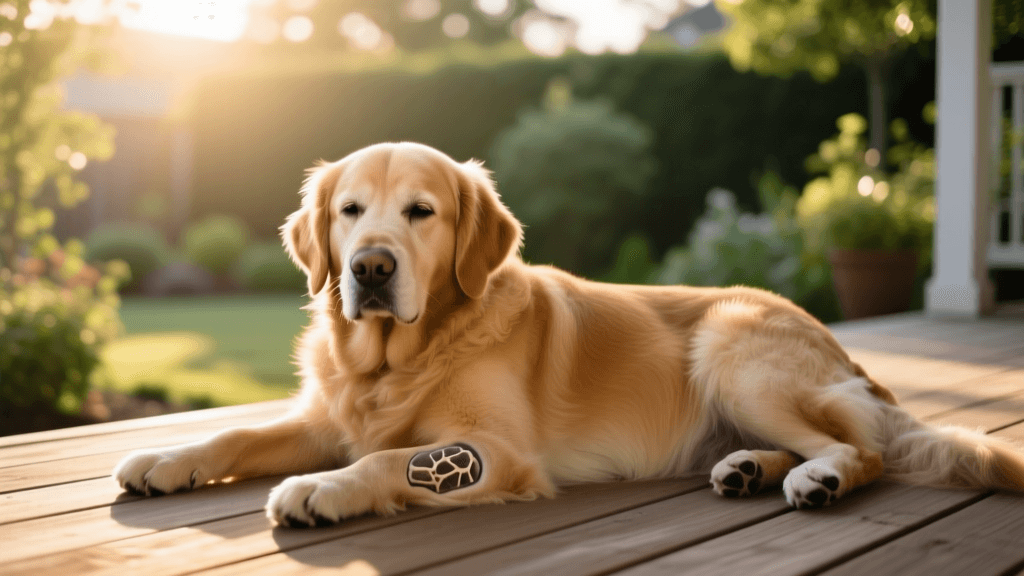
The most significant breakthrough in recent years remains the widespread adoption of anti-NGF therapies. Bedinvetmab (marketed as Librela for dogs) is a monthly injectable monoclonal antibody that specifically targets and neutralizes Nerve Growth Factor, a key protein involved in the transmission of OA pain signals. Unlike NSAIDs, Librela does not process through the liver or kidneys in the same way, making it a safer long-term option for senior dogs. In 2026, the average cost for a monthly Librela injection ranges from $90 to $160, depending on the dog's weight and regional veterinary pricing. Owners consistently report profound behavioral 'awakenings' within 30 to 60 days of starting the treatment, with dogs returning to their playful, youthful personalities.
Nutraceuticals and Advanced Joint Support
While biologics manage pain, joint supplements aim to support cartilage health. The 2026 market is saturated with joint chews, but veterinary nutritionists recommend looking for specific, clinically backed ingredients:
- Omega-3 Fatty Acids (EPA/DHA): High-dose fish oils derived from wild-caught anchovies or sardines to reduce systemic inflammation.
- Green-Lipped Mussel Extract: A potent source of glycosaminoglycans and natural anti-inflammatory compounds.
- Undenatured Type II Collagen (UC-II): Helps modulate the immune system's attack on joint cartilage.
Environmental and Psychological Modifications
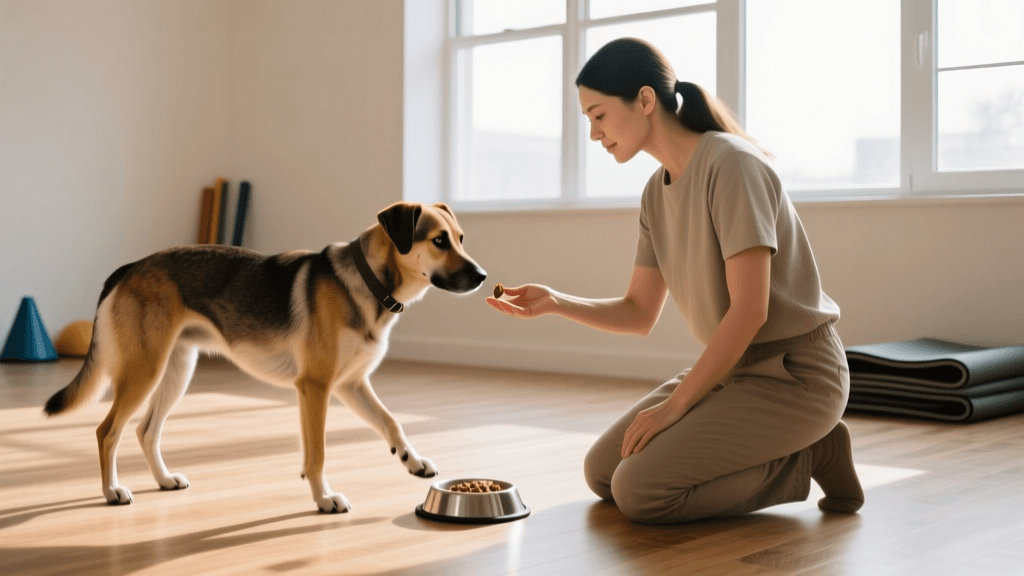
Treatment is not just medical; it is environmental. A dog with OA needs a home setup that minimizes psychological stress and physical strain. In 2026, smart-home integrations for pet care include app-controlled heated orthopedic beds that maintain a consistent therapeutic temperature, soothing aching joints during cold nights. Furthermore, replacing slippery hardwood floors with interlocking foam mats or high-traction runners prevents the micro-slips that cause acute pain flare-ups and anxiety.
Actionable Steps: Creating a Canine Pain Journal
To effectively manage your dog's OA and understand their unique behavioral baseline, start a Canine Pain Journal. The FDA's Animal Health Literacy resources encourage owners to track daily activities to provide veterinarians with accurate data. Do not just track 'limping.' Track the following metrics weekly:
- Willingness to Jump: Did they jump into the car unassisted, need a ramp, or refuse entirely?
- Morning Stiffness Duration: How many minutes does it take for them to walk normally after waking up?
- Social Engagement: Did they follow you from room to room, or stay isolated in one spot?
- Appetite and Enthusiasm: Is their food drive consistent, or are they distracted by discomfort?
A Note on Empathy: Understanding canine OA is ultimately an exercise in empathy. When your dog hesitates at the top of the stairs, they are not being stubborn; they are calculating whether the pain of the descent is worth the reward. By learning their silent language and leveraging modern 2026 treatments, you give them the greatest gift possible: a life free from the psychological and physical burden of hidden pain.
Conclusion
Canine osteoarthritis is a complex intersection of physical degeneration and behavioral adaptation. By shifting our perspective to view OA through the lens of canine psychology and body language, we can catch the condition earlier and treat it more effectively. With the advanced biologic treatments, environmental modifications, and nutritional support available in 2026, a diagnosis of OA is no longer a sentence to a diminished life. It is simply a cue for owners to listen closer, observe deeper, and advocate fiercely for their dog's comfort and joy.
jonas-cole
All our authors care for dogs every day — read more of their work on the authors page.