Canine OA Treatment in 2026: Home Hacks and Daily Care
Discover the best 2026 canine OA treatments, from Librela injections to orthopedic home hacks, keeping your senior dog comfortable and mobile every day.
Living with a dog diagnosed with osteoarthritis (OA) requires a compassionate shift in how we approach daily routines, home environments, and veterinary care. As we navigate 2026, the landscape of canine OA treatment has evolved dramatically, moving beyond simple pain masking to targeted biological therapies and holistic environmental modifications. Osteoarthritis is a degenerative joint disease that affects the cartilage, leading to pain, stiffness, and a reduced quality of life. However, with the right combination of modern veterinary medicine and practical home hacks, your dog can continue to thrive and enjoy their golden years to the fullest.
The 2026 Veterinary Standard of Care: NGF Inhibitors
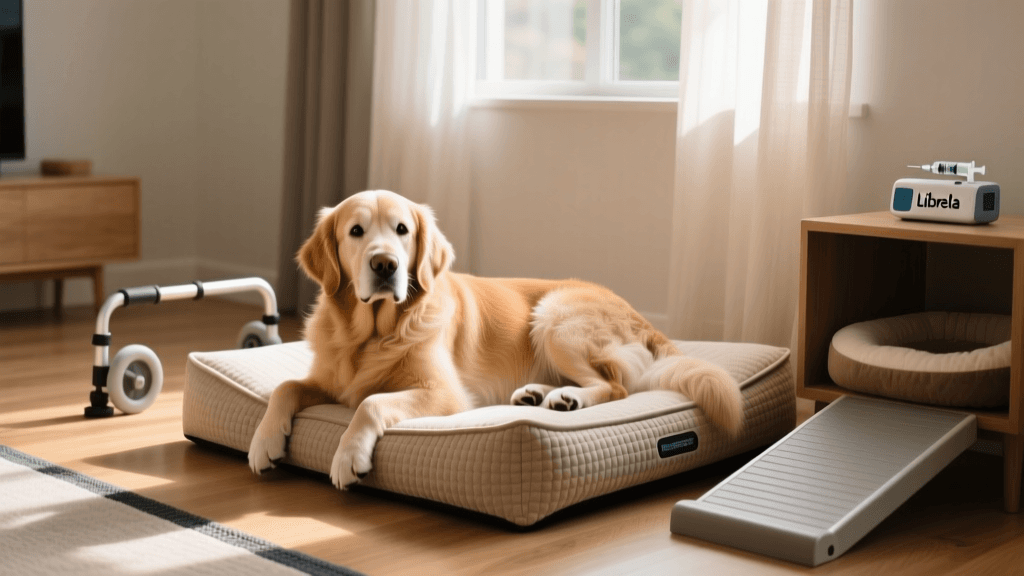
The most significant breakthrough in recent years, which has now become the gold standard in 2026, is the use of Nerve Growth Factor (NGF) inhibitors. Unlike traditional NSAIDs (Non-Steroidal Anti-Inflammatory Drugs) that can sometimes cause gastrointestinal or renal issues with long-term use, NGF inhibitors specifically target the pain signals associated with OA. Librela (bedinvetmab) is a monthly injection that has revolutionized how we manage canine joint pain. By binding to NGF, it prevents the pain signals from reaching the brain, offering profound relief without the systemic side effects of older medications.
According to the American Kennel Club, integrating these targeted monoclonal antibodies into a dog's wellness routine has vastly improved mobility and comfort for millions of senior dogs. While Librela handles the pain signaling, veterinarians in 2026 often recommend a multimodal approach. This might include adjunctive therapies like Gabapentin for neuropathic pain, Amantadine to prevent pain wind-up, and specialized physical therapy. Always consult your vet before combining supplements or medications, as the 2026 consensus heavily emphasizes personalized pain management plans tailored to your dog's specific metabolic profile.
Modifying Your Home Environment for Joint Health
Medical treatment is only half the battle; the other half is adapting your living space. Slippery floors are the enemy of a dog with OA. When a dog slips, the sudden micro-traumas to the joint capsules exacerbate inflammation and cause acute pain spikes.
Strategic Flooring and Traction
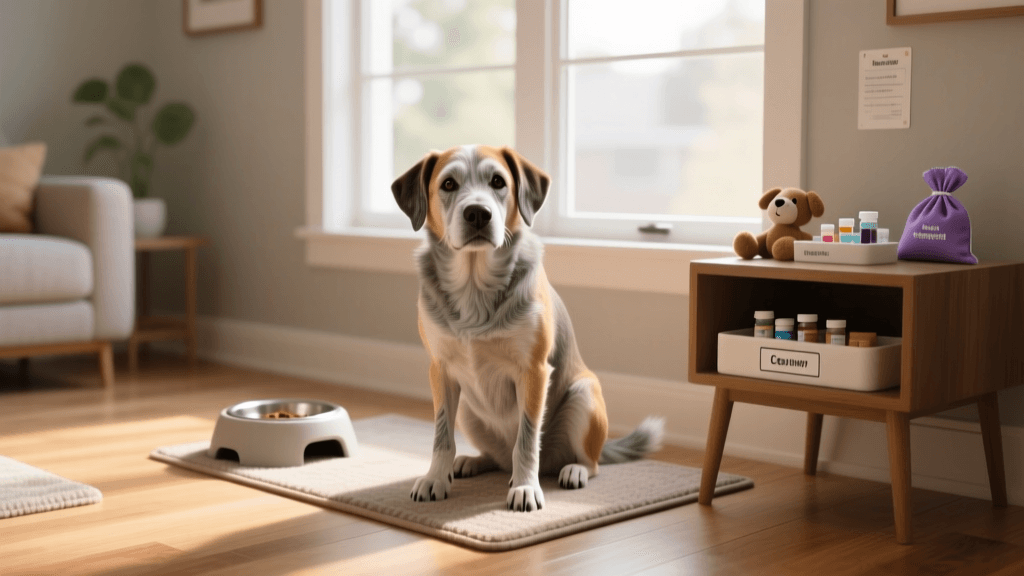
Cover high-traffic areas, especially near food bowls, beds, and doorways, with low-pile, non-slip rugs. For dogs who struggle on hardwood or tile, consider paw-grip solutions. In 2026, products like Dr. Buzby's ToeGrips (which slide onto the nails to provide traction) and high-quality paw waxes remain highly recommended by veterinary rehabilitation therapists. Alternatively, applying non-slip paw tape or using dog-specific traction socks with silicone soles can provide immediate stability, allowing your dog to navigate the house with confidence.
Ramps and Stairs: The 3-to-1 Rule
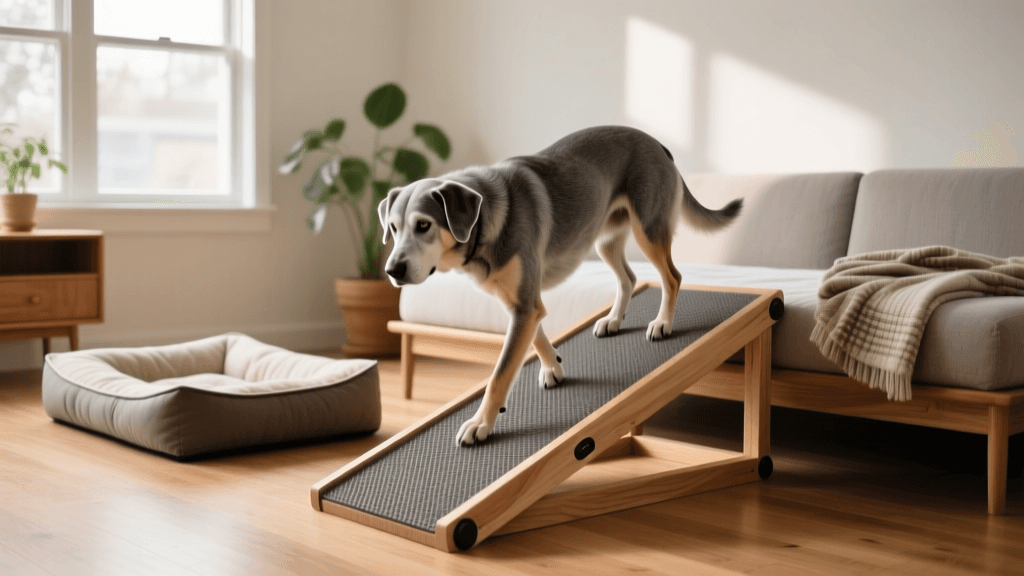
Jumping on and off furniture or into vehicles puts immense concussive force on arthritic joints. Invest in high-quality ramps for all elevated surfaces. The golden rule for canine ramps is a 3:1 slope ratio—for every 3 inches of length, the ramp should rise 1 inch. If your couch is 18 inches high, your ramp should be at least 54 inches long to ensure a gentle incline that doesn't strain the shoulders or hips. Look for ramps with high-traction surfaces and side rails to prevent lateral slipping, which is just as dangerous as falling from a height.
Orthopedic Sleep Environments
A dog with OA sleeps up to 18 hours a day, making their bed a critical therapeutic tool. Standard poly-fill beds offer zero joint support and allow the dog's heavy pressure points to sink to the hard floor beneath. In 2026, veterinary orthopedists recommend beds with a minimum of 4 to 6 inches of high-density, therapeutic memory foam or supportive orthopedic foam. Brands like Big Barker and PetFusion dominate this space because their specialized foam prevents the dog from "bottoming out." Additionally, consider integrating a safe, pet-approved heating pad or a thermal-reflective blanket during colder months, as cold temperatures significantly increase joint stiffness and morning soreness.
Daily Routines and Low-Impact Enrichment
Exercise remains vital for maintaining muscle mass, which in turn supports arthritic joints. However, the type of exercise must change. Replace long, high-impact runs or games of fetch with "sniffaris"—leisurely, mentally stimulating walks where the dog sets the pace and spends time sniffing. Mental enrichment burns just as many calories and tires the dog out without the physical toll on their cartilage.
Invest in puzzle toys, snuffle mats, and lick mats to keep your dog's brain engaged while they rest. Hydrotherapy is another cornerstone of 2026 OA management. The buoyancy of water supports the dog's weight, allowing them to build muscle and maintain cardiovascular health with zero concussive impact on the joints. If professional hydrotherapy isn't accessible, a shallow, warm kiddie pool for gentle wading can provide similar, albeit milder, benefits in your own backyard.
2026 Canine OA Mobility Aids Comparison
To help you prioritize your investments, here is a comparison of essential mobility aids for the modern OA-friendly home:
| Mobility Aid | Primary Benefit | Ideal For | 2026 Estimated Cost |
|---|---|---|---|
| Orthopedic Memory Foam Bed | Prevents joint pressure points and supports spinal alignment. | All OA dogs, especially large breeds. | $150 - $350 |
| Telescoping Vehicle Ramp | Eliminates the need to jump into SUVs or trucks. | Dogs over 40 lbs or post-surgery dogs. | $80 - $180 |
| Lifting Support Harness | Assists with stairs, standing, and bathroom breaks. | Hind-leg weakness or advanced OA. | $40 - $90 |
| Toe Grips / Paw Wax | Provides micro-traction on smooth indoor surfaces. | Dogs slipping on hardwood/tile floors. | $15 - $30 |
Nutrition, Supplements, and Weight Management
The importance of keeping an arthritic dog lean cannot be overstated. According to the Cornell University College of Veterinary Medicine, even a slight reduction in body weight can lead to a significant decrease in lameness and joint pain. You should be able to easily feel your dog's ribs without pressing hard, and they should have a visible abdominal tuck when viewed from the side.
Beyond weight management, targeted joint supplements play a supportive role. In 2026, the most evidence-backed supplements include high-dose Omega-3 fatty acids (specifically EPA and DHA from wild-caught fish oil), Undenatured Type II Collagen (UC-II), and Green-Lipped Mussel extract. These ingredients help modulate the inflammatory response within the joint capsule. As noted by experts at Zoetis Petcare, combining these nutritional strategies with NGF inhibitors creates a comprehensive shield against the progression of joint degeneration. For dogs struggling to maintain a healthy weight while dealing to mobility issues, consult a veterinary nutritionist about prescription joint diets that are formulated to be lower in calories but rich in joint-supporting nutrients.
Final Thoughts on Living with an OA Dog
Managing canine osteoarthritis in 2026 is less about restricting your dog's life and more about adapting it. By leveraging cutting-edge veterinary treatments like Librela, optimizing your home's layout with proper traction and ramps, and committing to low-impact mental enrichment, you can ensure your loyal companion remains happy, comfortable, and engaged. Remember to schedule bi-annual veterinary wellness exams to adjust your dog's pain management plan as their needs evolve, ensuring every day together is as joyful and pain-free as possible.
robin-maitland
All our authors care for dogs every day — read more of their work on the authors page.