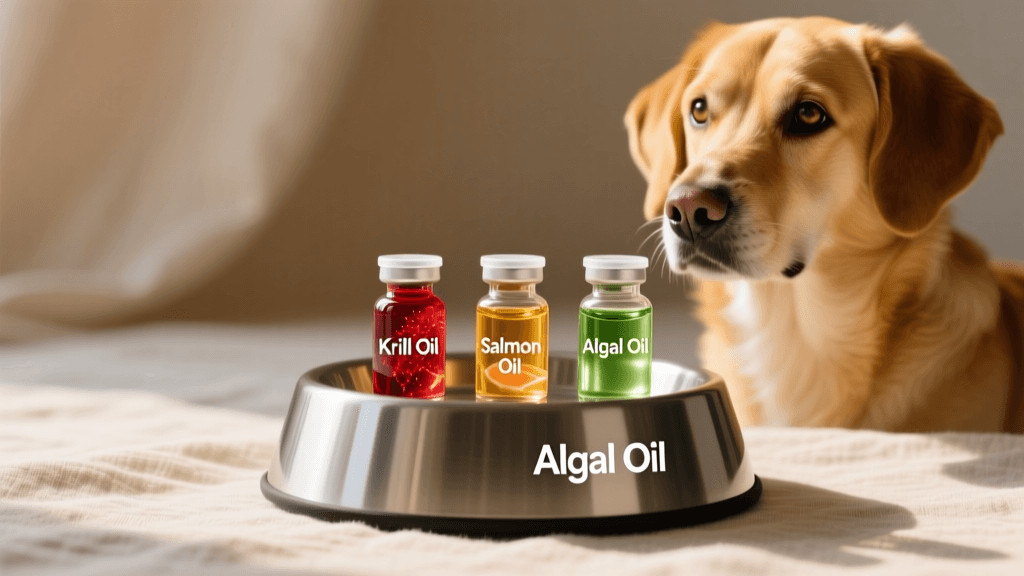
Best Omega 3 for Dogs in 2026: Krill vs Salmon Oil
Discover the best Omega 3 for dogs in 2026. We compare krill, salmon, and algal oils, detailing exact dosages, joint benefits, and top vet picks.
The Essential Role of Omega-3 Fatty Acids in Canine Health
As we navigate the advanced pet health landscape in 2026, veterinary nutritionists are placing more emphasis than ever on the critical role of Omega-3 fatty acids in canine diets. Unlike humans, dogs cannot efficiently synthesize these essential fats on their own, making dietary supplementation a cornerstone of modern preventative veterinary care. Omega-3s, specifically Eicosapentaenoic Acid (EPA) and Docosahexaenoic Acid (DHA), are powerful anti-inflammatory agents that support everything from cognitive function in aging seniors to joint mobility, skin barrier integrity, and cardiovascular health.
Despite the widespread availability of fish oils, many pet parents remain confused about which source is truly superior for their dog's specific needs. The supplement market has evolved dramatically over the last few years. Today, the debate largely centers around three primary sources: traditional Salmon Oil, highly bioavailable Krill Oil, and the rapidly emerging sustainable alternative, Algal Oil. Understanding the molecular differences, absorption rates, and proper dosages of these oils is vital for maximizing your dog's health outcomes this year.
Salmon Oil vs. Krill Oil vs. Algal Oil: A 2026 Comparison
When walking down the supplement aisle or browsing online pet pharmacies, you will encounter a myriad of Omega-3 products. However, not all oils are created equal. The source of the oil dictates its molecular structure, its antioxidant profile, and its environmental impact.
Salmon Oil: The Traditional Powerhouse
Salmon oil has been the gold standard in canine supplementation for over a decade. Derived primarily from wild-caught Alaskan or Atlantic salmon, this oil is incredibly rich in both EPA and DHA. In 2026, high-quality salmon oils are rigorously tested for heavy metals and PCBs, addressing historical concerns about ocean pollution. The fats in salmon oil are primarily bound in the triglyceride form. While effective, triglycerides require the dog's pancreas to secrete lipase enzymes to break them down before absorption can occur in the small intestine. Furthermore, salmon oil is highly susceptible to oxidation (rancidity) if not packaged in opaque, airless pump containers and stored correctly.
Krill Oil: The Bioavailability King
Krill oil, harvested from tiny Antarctic crustaceans, has seen a massive surge in popularity among holistic veterinarians. The defining advantage of krill oil is its molecular structure: the Omega-3s are bound to phospholipids rather than triglycerides. Because canine cell membranes are also made of phospholipids, krill oil is absorbed much more efficiently and rapidly into the bloodstream. Additionally, krill oil naturally contains astaxanthin, a potent red-pigmented antioxidant that protects the oil from oxidizing and provides extra cellular protection for your dog. Because krill are at the bottom of the food chain, they accumulate virtually no heavy metals, making them an exceptionally clean source.
Algal Oil: The Sustainable Vegan Alternative
Market analyses in early 2026 show a significant shift toward algal oil, driven by ocean conservation efforts and the rise of plant-based pet care trends. Algae is actually the original source of marine Omega-3s; fish simply accumulate DHA and EPA by eating algae. Lab-grown algal oil is completely free from ocean-borne contaminants, microplastics, and heavy metals. While it is naturally much higher in DHA than EPA, making it exceptional for canine cognitive support and puppy brain development, it may require blending with other oils to achieve the high EPA ratios needed for severe osteoarthritis management.
| Feature | Wild Salmon Oil | Antarctic Krill Oil | Marine Algal Oil |
|---|---|---|---|
| Primary Fats | High EPA & DHA | Moderate EPA & DHA | Very High DHA, Low EPA |
| Molecular Form | Triglycerides | Phospholipids | Triglycerides |
| Bioavailability | Moderate | Very High | Moderate |
| Natural Antioxidants | Low | High (Astaxanthin) | Moderate (Added Vit E) |
| Sustainability (2026) | Good (MSC Certified) | Excellent (Friend of the Sea) | Exceptional (Lab-Grown) |
| Avg Cost (30 days, 50lb dog) | $22 - $35 | $35 - $55 | $28 - $40 |
Understanding Bioavailability: Why Molecular Form Matters
The concept of bioavailability is crucial when calculating how much Omega-3 your dog actually utilizes. According to the WSAVA Global Nutrition Guidelines, simply looking at the total milligrams of fish oil on a bottle's label is misleading. You must look at the guaranteed analysis of EPA and DHA.
Because the phospholipids in krill oil are water-soluble, they do not require bile salts for emulsification. This makes krill oil an especially superior choice for older dogs or rescue dogs with compromised liver or pancreatic function, as it places less stress on their digestive organs while delivering anti-inflammatory benefits directly to the joints and brain.
Exact Omega-3 Dosage Guidelines for Dogs in 2026
Calculating the right dose is critical. Under-dosing will yield no clinical benefits, while massive overdosing can lead to gastrointestinal upset, altered blood clotting, or suppressed immune function. Veterinary nutritionists generally calculate dosages based on metabolic body weight (MBW) rather than linear weight, though linear weight charts are commonly used for baseline home supplementation.
For general health maintenance, skin/coat support, and mild inflammation, the consensus recommendation is approximately 50 mg of combined EPA and DHA per kilogram of body weight. For therapeutic management of conditions like osteoarthritis, atopic dermatitis, or chronic kidney disease, dosages can safely range from 100 mg to 150 mg per kilogram of body weight under veterinary supervision.
Baseline Daily Dosage Chart (Combined EPA + DHA)
- Small Dogs (10 - 20 lbs): 250 mg - 500 mg daily
- Medium Dogs (21 - 50 lbs): 500 mg - 1,200 mg daily
- Large Dogs (51 - 90 lbs): 1,200 mg - 2,000 mg daily
- Giant Breeds (90+ lbs): 2,000 mg - 3,000+ mg daily
Note: Always check the supplement's specific concentration. A 1000mg capsule of salmon oil might only contain 300mg of actual EPA/DHA, requiring you to adjust the number of capsules or pumps accordingly.
How to Spot High-Quality Omega-3 Supplements
The market is unfortunately flooded with oxidized, rancid oils that can actually promote cellular damage rather than prevent it. The American Veterinary Medical Association (AVMA) frequently reminds pet owners to scrutinize supplement sourcing and packaging. Here is what to look for when purchasing Omega-3s for your dog in 2026:
- Third-Party Testing: Look for certifications from independent organizations like the International Fish Oil Standards (IFOS) or the National Animal Supplement Council (NASC). These seals guarantee the product is free from dangerous levels of mercury, lead, and dioxins.
- Packaging: Never buy Omega-3 oils in clear plastic bottles. Light and oxygen destroy the fatty acids. Opt for dark amber glass bottles or opaque, BPA-free plastic with airless pump dispensers that prevent air from entering the bottle after each use.
- The Sniff Test: Fresh fish oil should smell mildly of the ocean or have no scent at all. If the oil smells strongly of rotting fish, paint, or cardboard, it has oxidized and must be discarded immediately.
- Storage Requirements: While some highly stabilized krill oils can be kept in a cool pantry, liquid salmon and algal oils should ideally be stored in the refrigerator after opening to slow the oxidation process. Most liquid oils should be used within 60 to 90 days of opening.
Integrating Omega-3s into Your Dog's Daily Routine
Transitioning your dog to a new supplement should always be done gradually to avoid dietary indiscretion. Start with a quarter of the recommended dose and slowly increase it over the course of two weeks. This allows your dog's gastrointestinal microbiome and pancreatic enzymes to adapt to the new fat load. If your dog experiences loose stools, simply reduce the dose and increase it more slowly.
For picky eaters, flavored Omega-3 oils (often infused with natural bacon or beef flavors) can be a great way to entice them, though unflavored, pure oils are generally preferred by holistic practitioners to avoid unnecessary artificial additives. Pump bottles are highly recommended for mess-free dispensing directly over your dog's kibble or homemade meals.
When to Consult Your Veterinarian
While Omega-3 fatty acids are incredibly safe and beneficial, they are not a standalone cure-all. If your dog is currently taking NSAIDs (non-steroidal anti-inflammatory drugs) for severe arthritis, or blood thinners, you must consult your veterinarian before introducing high-dose fish or krill oil. High levels of EPA and DHA can have a mild blood-thinning effect, which may interact with these medications.
Experts at the Tufts Cummings School of Veterinary Medicine emphasize that a holistic approach—combining proper Omega-3 supplementation with a balanced base diet, appropriate joint-loading exercise, and regular veterinary screenings—yields the best long-term outcomes for canine mobility and vitality. By choosing the right source, understanding the dosage, and prioritizing freshness, you can harness the full power of Omega-3s to keep your canine companion thriving throughout 2026 and beyond.
hannah-wickes
All our authors care for dogs every day — read more of their work on the authors page.