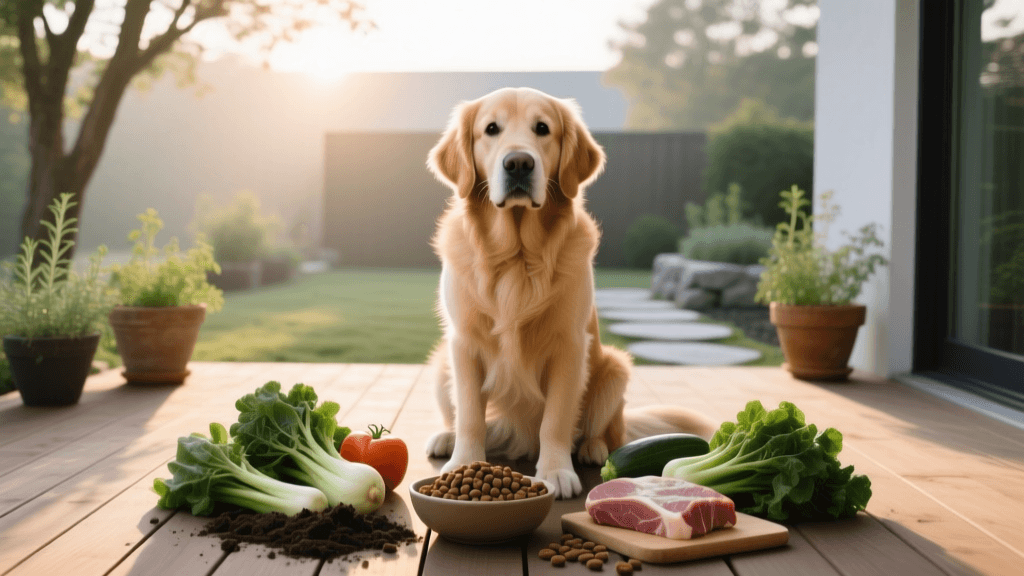
Raw Diet Dog Behavior Shifts 2026: The Gut-Brain Axis Explained
Discover how raw and fresh diets alter canine behavior in 2026. Learn the science behind the gut-brain axis, microbiome shifts, and calming effects.
The 2026 Paradigm Shift: Nutrition Meets Canine Psychology
For decades, dog owners and trainers have debated the merits of raw, fresh, and alternative diets primarily through the lens of physical health—shinier coats, cleaner teeth, and improved joint mobility. However, as we navigate the veterinary and behavioral landscape of 2026, a profound new frontier has emerged: the psychological impact of alternative diets on canine behavior. Veterinary behaviorists and animal nutritionists are now collaborating more closely than ever, uncovering how the food in your dog's bowl directly dictates their mood, anxiety levels, and cognitive function.
Understanding your dog requires looking beyond basic obedience and recognizing them as complex biological systems. When you transition a dog from highly processed extruded kibble to a biologically appropriate raw or gently cooked fresh diet, you are not just changing their caloric intake; you are fundamentally altering their neurochemistry. In 2026, the scientific consensus heavily points toward the canine gut-brain axis as the primary driver behind the behavioral shifts observed in dogs fed fresh, whole-food diets.
The Science of the Canine Gut-Brain Axis
To understand why a raw diet might make your hyperactive dog calmer, or your anxious rescue more confident, we must look at the vagus nerve. This massive cranial nerve acts as a biological superhighway connecting the brain to the gastrointestinal tract. According to recent advancements in veterinary neurogastroenterology, the gut microbiome produces a vast majority of the body's serotonin—the neurotransmitter responsible for regulating mood, happiness, and anxiety.
When a dog consumes a diet rich in diverse, unadulterated proteins, natural enzymes, and prebiotic fibers found in fresh vegetables and raw tissues, their gut microbiome flourishes. A robust microbiome synthesizes neurotransmitters more efficiently, sending calming, positive signals up the vagus nerve to the brain. Conversely, diets high in synthetic preservatives, refined carbohydrates, and ultra-processed ingredients can trigger low-grade systemic inflammation. This inflammation can cross the blood-brain barrier, manifesting as irritability, reactivity, and an inability to focus during training sessions. For a deeper dive into baseline nutritional standards, the World Small Animal Veterinary Association (WSAVA) provides extensive global guidelines that underscore the importance of bioavailable nutrients in maintaining overall systemic health.
Behavioral Shifts Observed on Fresh and Raw Diets
Dog owners transitioning to raw or fresh diets in 2026 frequently report distinct psychological and behavioral changes in their pets. While individual results vary based on breed, genetics, and environment, three major behavioral shifts dominate the current literature and anecdotal evidence from certified behaviorists.
1. From Hyperactivity to Focused Energy
One of the most common complaints from owners feeding high-carbohydrate kibble is the 'post-meal zoomies' followed by a lethargic crash. This is a direct result of rapid spikes and drops in blood glucose. Raw and fresh diets, which are inherently low in glycemic carbohydrates and high in quality fats and proteins, provide a slow, sustained release of energy. Behaviorally, this translates to a dog that is alert and engaged, rather than frantic and easily overstimulated. Working dog handlers in 2026 increasingly rely on fresh diets to maintain steady focus during long search-and-rescue or agility sessions.
2. Reduction in Resource Guarding and Food Aggression
Resource guarding is a complex psychological issue rooted in a dog's instinctual fear of scarcity. While behavioral modification training is always required for severe cases, alternative diets can play a supportive role. Raw meaty bones and whole-prey models require extensive chewing and tearing, which satisfies deep-seated predatory instincts. The physical act of gnawing on a raw bone releases endorphins in the canine brain, promoting a natural state of relaxation and satiation. A dog that feels deeply satisfied and biologically fulfilled by their meal is often less prone to the frantic, anxious eating behaviors that can escalate into resource guarding.
3. Lowered Baseline Anxiety and Stress Responses
The modern dog is frequently exposed to environmental stressors, from urban noise pollution to prolonged periods of isolation. A compromised gut lining (often referred to as 'leaky gut') can exacerbate the body's cortisol response to these stressors. By feeding a fresh diet that includes natural sources of omega-3 fatty acids (like raw sardines or wild-caught salmon) and fermented foods (like dog-safe kefir), owners can actively reduce neuro-inflammation. The American College of Veterinary Nutrition (ACVN) continually highlights the necessity of balanced, bioavailable fatty acids in managing systemic inflammation, which directly correlates to a dog's ability to cope with environmental stress.
2026 Fresh Diet Formulations and Behavioral Outcomes
Not all alternative diets are created equal, and the method of preparation can influence how your dog's body and mind respond. Below is a comparison of the primary diet categories available in 2026 and their general impact on canine behavior and digestion.
| Diet Type (2026 Standards) | Digestion & Gut Transit | Behavioral Energy Profile | Microbiome Impact |
|---|---|---|---|
| Traditional Extruded Kibble | Slow transit; high stool volume | Prone to glucose spikes; erratic energy | Lower diversity; reliant on synthetic prebiotics |
| Commercial Raw (HPP Treated) | Rapid transit; low stool volume | Sustained energy; high mental satisfaction | High diversity; introduces natural food enzymes |
| Gently Cooked Fresh Meals | Moderate transit; highly bioavailable | Calm demeanor; excellent for sensitive stomachs | Moderate diversity; soothing for inflamed guts |
| Whole Prey / DIY Raw | Variable; requires careful balancing | Peak foraging satisfaction; deep instinctual fulfillment | Highest diversity; mimics ancestral wild diets |
The Psychology of Foraging: Enrichment Through Alternative Feeding
Understanding your dog's behavior also means respecting their evolutionary history. Dogs are not naturally designed to eat out of a stainless-steel bowl in under three minutes. They are scavengers, foragers, and opportunistic hunters. Alternative diets lend themselves perfectly to psychological enrichment.
In 2026, veterinary behaviorists strongly advocate for 'scatter feeding' raw or fresh meals in the yard, using snuffle mats, or utilizing frozen lick mats made from blended fresh vegetables and bone broth. This approach forces the dog to use their olfactory senses—the most powerful tool in their neurological arsenal. Sniffing lowers a dog's heart rate and engages the parasympathetic nervous system, effectively acting as a natural anti-anxiety mechanism. By turning mealtime into a 20-minute foraging puzzle, you are providing crucial mental stimulation that can significantly reduce destructive behaviors born out of boredom.
Transitioning Safely: Avoiding the 'Detox' Behavioral Dip
While the long-term behavioral benefits of a raw or fresh diet are immense, the transition period requires careful management. A sudden shift in macronutrients can cause temporary gastrointestinal upset, including loose stools or mild cramping. It is vital to understand that a dog experiencing physical discomfort will often exhibit behavioral regression. They may become more irritable, less tolerant of handling, or more reactive to other dogs.
To prevent this 'behavioral dip,' transition your dog slowly over a period of 10 to 14 days. Start by replacing just 10% of their current diet with the new fresh or raw food, gradually increasing the ratio. Incorporating a high-quality, canine-specific probiotic during this window can help stabilize the gut microbiome, ensuring that your dog's mood remains stable while their digestive system adapts to the new, nutrient-dense fuel.
When to Consult a Veterinary Behaviorist
It is crucial to maintain a realistic perspective: while nutrition is a foundational pillar of canine psychology, it is not a magical cure-all. If your dog is exhibiting severe aggression, profound separation anxiety, or compulsive disorders, a diet change alone will not resolve the issue. These complex psychological conditions require the expertise of a certified veterinary behaviorist who can combine advanced behavioral modification protocols with medical and nutritional interventions.
However, as a proactive dog owner, optimizing your dog's diet is one of the most powerful tools at your disposal. By embracing the science of the gut-brain axis and providing biologically appropriate, fresh nutrition, you are setting the stage for a calmer, more focused, and emotionally balanced companion. For further reading on establishing a solid nutritional baseline, the American Kennel Club's Nutrition Hub offers excellent resources on evaluating your dog's specific dietary needs based on their age, breed, and activity level.
Conclusion: Feeding the Mind Through the Stomach
The year 2026 has solidified what holistic practitioners have argued for years: you cannot separate the canine mind from the canine gut. By transitioning to a raw, fresh, or alternative diet, you are doing far more than improving your dog's physical vitality. You are actively shaping their neurochemistry, satisfying their ancestral instincts, and providing the biological building blocks necessary for a stable, happy temperament. Understanding your dog means recognizing that every meal is an opportunity to nurture their psychological well-being from the inside out.
beth-carrasco
All our authors care for dogs every day — read more of their work on the authors page.