Decoding Canine Calming Signals: Holistic Stress Relief 2026
Learn to decode canine calming signals and use holistic scent enrichment and herbal remedies to naturally reduce your dog's stress in 2026.
The Language of Appeasement: Decoding Calming Signals
As we navigate dog ownership in 2026, the shift toward holistic and force-free behavioral science has never been more pronounced. Understanding your dog is no longer about dominance or obedience; it is about empathy, observation, and recognizing the subtle ways our canine companions communicate their internal emotional states. At the core of this holistic approach is the recognition of "calming signals"—a term pioneered by Norwegian dog trainer Turid Rugaas. These signals are the canine equivalent of a deep, centering breath. They are used by dogs to self-soothe, de-escalate tension, and communicate peaceful intentions to both humans and other animals.
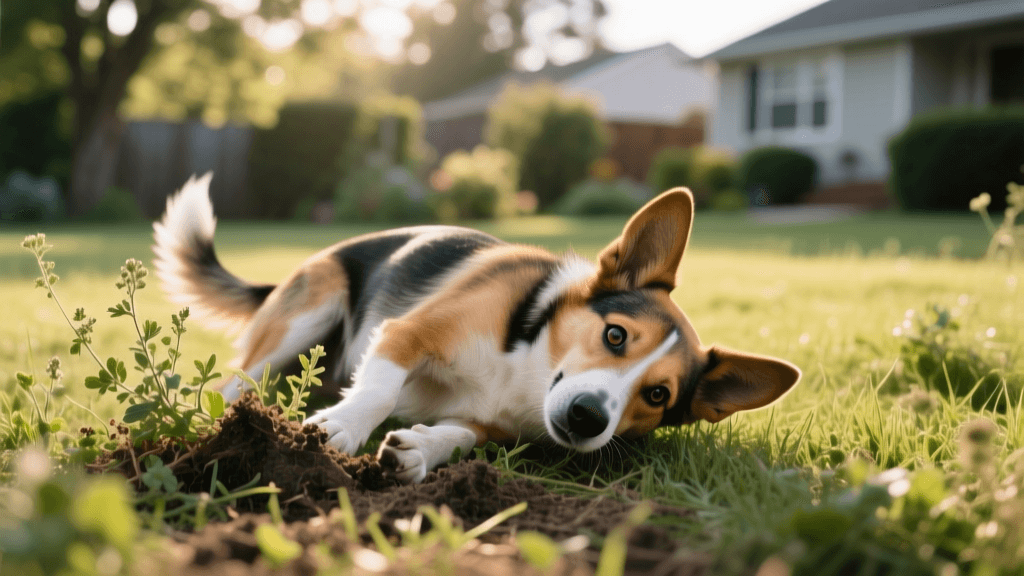
When you observe your dog yawning when not tired, licking their lips repeatedly, turning their head away from a stimulus, or performing a slow, exaggerated blink, you are witnessing a calming signal. According to the ASPCA's guide on common dog behavior issues, recognizing these early signs of stress is critical for preventing behavioral escalation. A holistic approach dictates that we do not punish these signals or force the dog to endure the stressor. Instead, we acknowledge the communication and alter the environment to help the dog's nervous system return to a state of homeostasis.
The Olfactory Pathway: A Natural Tranquilizer
To truly understand dog psychology, we must look at the world through their primary sensory lens: scent. While humans are highly visual creatures, a dog's brain is dominated by the olfactory bulb, which is proportionally 40 times larger than ours. In 2026, holistic veterinary behaviorists heavily emphasize "scent work" and "sniffaris" not just as games, but as vital neurological therapies. When a dog engages in deep, active sniffing, their heart rate actually decreases, and the parasympathetic nervous system (the "rest and digest" network) is activated.
Allowing your dog to engage in unstructured sniffing in a safe, natural environment is one of the most effective holistic interventions for anxiety. It fulfills a deep-seated biological instinct and provides immense mental fatigue, which is often more effective at reducing hyperactive or anxious behaviors than a three-mile physical run. By combining the observation of calming signals with targeted olfactory enrichment, we can create a powerful, natural protocol for canine mental health.
Holistic vs. Conventional Stress Management
How does a natural, holistic approach compare to conventional methods when addressing canine stress? The following table outlines the paradigm shift in behavioral management:
| Feature | Conventional Approach | Holistic & Natural Approach (2026) |
|---|---|---|
| Response to Stress Signals | Often ignored or corrected (e.g., punishing a growl or lip lick). | Viewed as vital communication; environment is adjusted to remove the stressor. |
| Mental Enrichment | Repetitive obedience drills or physical exercise until exhaustion. | Species-appropriate foraging, scent work, and herbal sniff gardens. |
| Anxiety Interventions | Immediate reliance on pharmaceutical sedatives or anxiety medications. | Adaptogenic herbs, botanical aromatherapy, and nervous system regulation. |
| Owner's Role | Enforcer of rules and physical boundaries. | Observer, advocate, and facilitator of natural canine instincts. |
Herbal Scent Enrichment: Safe Botanicals for Canine Anxiety
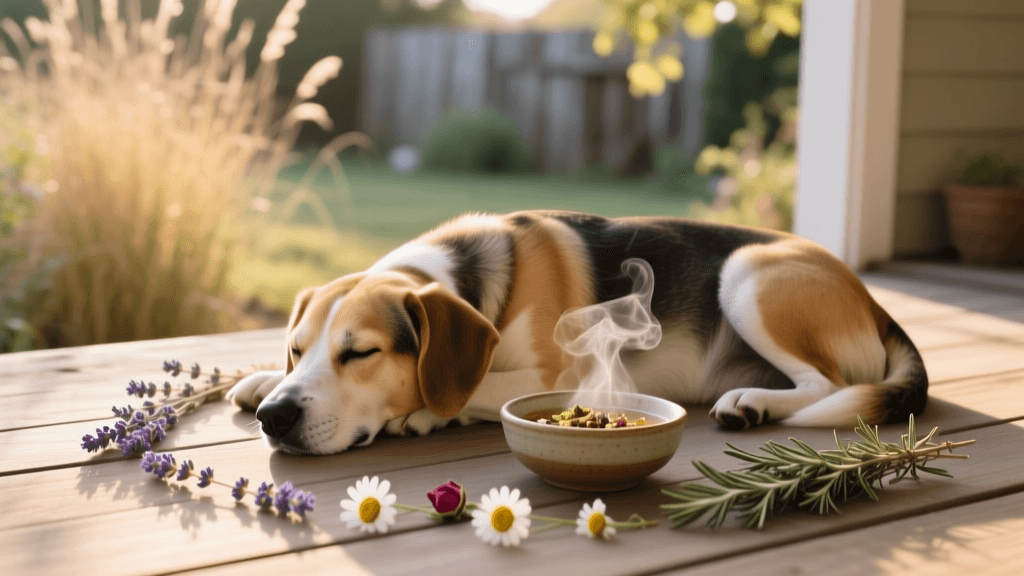
Integrating herbalism into your dog's daily routine is a cornerstone of holistic behavior management. Certain plants contain volatile organic compounds (VOCs) that interact directly with the canine limbic system, promoting relaxation. However, because a dog's sense of smell is so acute, essential oils and herbs must be used with extreme care and proper dilution. Here are three highly effective, safe botanicals for canine stress relief:
- Organic Chamomile (Matricaria chamomilla): Known for its mild sedative properties, chamomile is excellent for dogs exhibiting gastrointestinal upset linked to nervousness. In 2026, sourcing organic, whole-dried chamomile flowers (costing roughly $12 to $15 per pound) is highly recommended over processed teas. You can sprinkle dried flowers directly into a snuffle mat for a calming foraging session.
- Lavender (Lavandula angustifolia): Extensively studied for its anxiolytic (anxiety-reducing) effects. Never apply undiluted essential oil to a dog. Instead, use a hydrosol (floral water) or dilute one drop of therapeutic-grade lavender oil in two ounces of fractionated coconut oil. Apply a small amount to a bandana or a designated "calming mat" where the dog can choose to rest.
- Sweet Marjoram (Origanum majorana): A favorite among holistic veterinarians for its ability to soothe the nervous system and relieve muscle tension in dogs that carry stress physically (often seen in dogs with tight shoulder or spinal muscles). It pairs beautifully with lavender in a passive room diffuser, run on an intermittent setting for no more than 15 minutes at a time.
"Understanding a dog's stress is not about stopping the behavior, but addressing the emotional root through natural, species-appropriate outlets. When we honor their senses, we heal their minds."
Building a 2026 Holistic Sniff Garden
One of the most actionable ways to support your dog's psychological well-being is to build an indoor or balcony "sniff garden." This is a designated sensory box that mimics the natural foraging environment while incorporating calming botanicals. The American Kennel Club's training and behavior resources frequently highlight the importance of mental stimulation, and a sniff garden takes this to a holistic extreme.
Step-by-Step Construction Guide
- The Base: Use a shallow, sturdy wooden box or a heavy-duty plastic kiddie pool. Fill the bottom with three inches of organic, pesticide-free potting soil mixed with coconut coir for texture.
- The Flora: Plant dog-safe, aromatic herbs such as rosemary, thyme, and mint. Allow them to grow low to the ground. Avoid toxic plants like sago palm or oleander entirely.
- The Forage: Hide high-value, single-ingredient treats (like freeze-dried beef liver or organic blueberries) beneath the soil and within the herb fronds.
- The Routine: Introduce your dog to the sniff garden for a 15-minute morning session. Observe their body language. If you see a relaxed, wagging tail and deep, rhythmic sniffing, the parasympathetic nervous system is engaging. If you see frantic digging or lip-licking, the challenge may be too high, or the dog may be over-aroused. Adjust the difficulty accordingly.
Daily Integration: A Holistic Action Plan
Understanding your dog requires consistency. To truly integrate these natural approaches into your life, establish a daily rhythm that honors your dog's biological needs. Begin every morning with a 20-minute "sniffari" on a long line (15 to 30 feet) in a quiet, natural area. Allow the dog to dictate the pace and direction. This morning decompression sets a calm neurological baseline for the entire day.
In the evening, transition to passive environmental enrichment. Dim the lights, play bio-acoustic music designed for canine hearing ranges, and offer a lick mat smeared with organic, unsweetened pumpkin puree mixed with a sprinkle of dried chamomile. Licking is a naturally soothing behavior that releases endorphins in the canine brain. By combining the deep observation of calming signals with the intentional use of scent and herbalism, you are not just training a dog; you are nurturing a balanced, emotionally resilient companion. As holistic veterinary science continues to evolve throughout 2026, empowering yourself with this knowledge remains the greatest gift you can offer your best friend.
anouk-beaumont
All our authors care for dogs every day — read more of their work on the authors page.