Budget-Friendly Puppy Vaccinations and Vet Care Guide
Discover how to save money on your puppy's first-year veterinary care, core vaccinations, and preventative treatments without compromising their health.
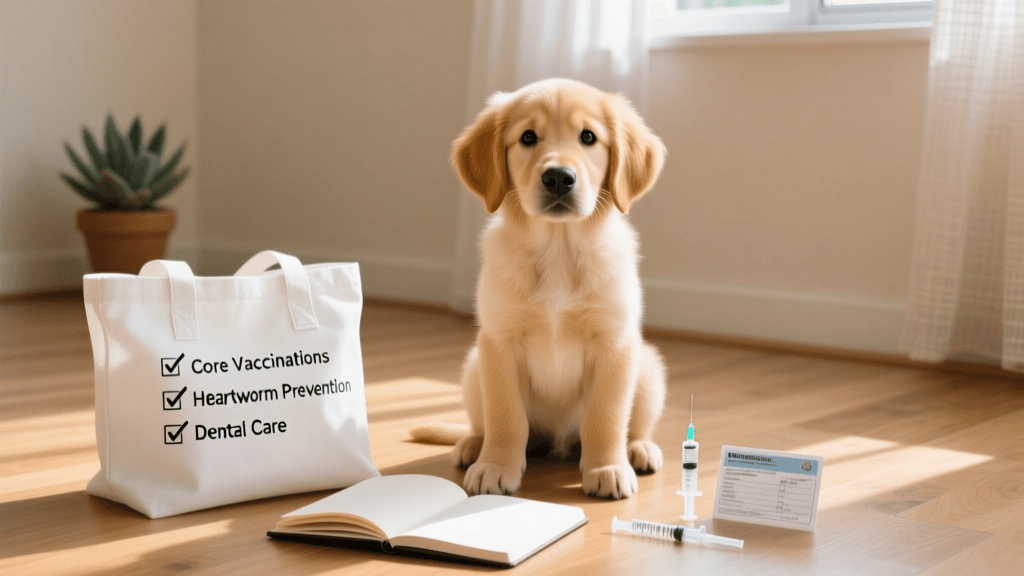
Bringing a new puppy into your home is an exhilarating milestone, but it can also bring a wave of unexpected financial pressure. The first year of a dog's life is the most critical period for their long-term health, requiring a series of veterinary visits, vaccinations, and preventative treatments. According to the American Veterinary Medical Association (AVMA), proper early immunization is non-negotiable for protecting your puppy from life-threatening diseases. However, many new pet owners mistakenly believe that high-quality veterinary care requires an exorbitant budget. The truth is, with strategic planning, a bit of research, and a focus on essential care, you can provide top-tier medical protection for your puppy while keeping your bank account intact.
Understanding Core vs. Non-Core Puppy Vaccinations
To budget effectively, you must first understand the difference between core and non-core vaccines. Core vaccines are universally recommended for all puppies, regardless of their lifestyle or geographic location. These protect against severe, highly contagious, and potentially fatal diseases such as Canine Parvovirus, Canine Distemper, Adenovirus (Hepatitis), and Rabies. Non-core vaccines, on the other hand, are administered based on your puppy's specific risk factors, environment, and lifestyle. Examples include Bordetella (kennel cough), Leptospirosis, and Lyme disease.
By consulting with your veterinarian about your puppy's actual lifestyle, you can safely opt out of unnecessary non-core vaccines. For instance, if you live in an urban apartment and do not plan to board your dog or visit heavily wooded, tick-infested areas, the Lyme vaccine may be an unnecessary expense during the first year. The ASPCA Dog Vaccinations Guide emphasizes that tailoring the vaccination protocol to the individual animal prevents both medical risks and unnecessary financial strain.
The First-Year Puppy Vaccination Schedule and Cost Comparison
Puppies require a series of booster shots every three to four weeks until they are roughly 16 weeks old. Below is a comparison chart illustrating the potential savings when utilizing low-cost community clinics versus traditional private veterinary practices.
| Puppy Age | Vaccine Type | Private Practice Cost (Est.) | Low-Cost Clinic Cost (Est.) |
|---|---|---|---|
| 6-8 Weeks | DHPP (Distemper/Parvo) | $45 - $65 | $15 - $25 |
| 10-12 Weeks | DHPP Booster | $45 - $65 | $15 - $25 |
| 14-16 Weeks | DHPP Booster + Rabies | $70 - $90 | $30 - $45 |
| 16+ Weeks | Bordetella (Optional) | $30 - $50 | $15 - $20 |
Note: Prices vary by region and clinic. Private practice estimates include standard physical exam fees, whereas low-cost clinics often waive the exam fee for basic vaccine packages.
Where to Find Low-Cost Puppy Veterinary Care
If you are looking to maximize your puppy care budget, you do not have to rely solely on high-end private veterinary hospitals for routine preventative care. Here are the best avenues for affordable puppy healthcare:
- Local Humane Societies and SPCAs: Many animal welfare organizations operate in-house veterinary clinics open to the public. They offer deeply discounted vaccine packages, microchipping, and wellness exams.
- Mobile Vaccination Clinics: Companies and local shelters frequently host weekend pop-up clinics in pet supply store parking lots. These are excellent for administering routine boosters and flea/tick preventatives at a fraction of the cost.
- County Rabies Clinics: Local health departments often sponsor annual or bi-annual rabies vaccination clinics. These are usually mandated by local government to ensure public safety, meaning the cost for a three-year rabies vaccine can be as low as $10.
- Veterinary Teaching Hospitals: If you live near a university with a veterinary program, teaching hospitals often provide community outreach days where students, supervised by licensed professors, offer low-cost wellness services.
Budget-Friendly Preventative Care: Flea, Tick, and Heartworm
Preventative medications are a mandatory expense, but the markup at private veterinary clinics can be steep. Heartworm disease is entirely preventable but incredibly costly and dangerous to treat once contracted. The AVMA Heartworm Disease Guidelines strongly advise year-round prevention for all dogs.
To save money on these essentials, ask your veterinarian for a written prescription. By law, they must provide this upon request. Once you have the prescription, you can purchase the exact same FDA-approved medications through verified online pharmacies, big-box store pet pharmacies, or wholesale clubs for 20% to 40% less than the in-clinic price. Additionally, look for manufacturer rebates. Companies that produce popular heartworm and flea preventatives frequently offer 'buy 6 months, get 2 free' or 'buy 12 months, get 4 free' promotions, which drastically reduces the per-dose cost.
Safe Early Socialization on a Budget
While saving money on vaccines is crucial, you must balance this with the critical socialization window, which peaks between 8 and 14 weeks of age. Because your puppy is not fully vaccinated during this time, you cannot simply take them to the local dog park or pet store. However, socialization does not require expensive puppy daycare or specialized training classes.
You can socialize your puppy for free by utilizing a 'puppy wagon' or a sling. Take your puppy to busy outdoor shopping centers, sit on a bench outside a hardware store, or invite friends with fully vaccinated, healthy dogs to your home. Expose them to the sounds of traffic, the sight of people wearing hats or uniforms, and the feeling of different textures under their paws. This DIY approach to early behavioral development costs nothing but time and sets the foundation for a well-adjusted, confident adult dog, saving you thousands of dollars in potential behavioral rehabilitation later in life.
Mastering At-Home Puppy Grooming and Health Checks
Another significant drain on a new puppy owner's budget is routine grooming and minor maintenance. Veterinary clinics and professional groomers often charge $20 to $30 just to trim a puppy's nails or express anal glands. By learning to perform basic at-home maintenance, you can save hundreds of dollars over the course of your dog's life.
Invest in a high-quality pair of dog nail clippers and a styptic powder (to stop bleeding if you accidentally clip the quick). Handle your puppy's paws daily from the moment you bring them home so they become desensitized to the sensation. Similarly, purchase a canine enzymatic toothpaste and a finger brush. Brushing your puppy's teeth three to four times a week prevents periodontal disease, which can lead to expensive veterinary dental extractions and systemic organ damage as your dog ages. Ear cleaning solutions can be bought in bulk and applied at home with cotton balls, preventing costly yeast and bacterial ear infections.
Are Puppy Wellness Plans Worth the Investment?
Many corporate veterinary chains and pet insurance companies now offer 'Puppy Wellness Plans.' These are not insurance policies; rather, they are prepaid subscription packages that bundle first-year vaccines, deworming, fecal tests, and spay/neuter surgeries into a monthly fee. While they can spread the cost out, they are not always the most budget-friendly option. Before signing up, request an itemized list of what the plan covers and compare it to the à la carte prices at your local low-cost clinic. Often, paying out-of-pocket at a community shelter clinic or using manufacturer rebates for preventatives will yield a lower total cost than a 12-month corporate wellness contract.
Conclusion
Raising a puppy on a budget does not mean cutting corners on their health. It means becoming an educated, proactive advocate for your dog. By distinguishing between core and non-core vaccines, leveraging low-cost community clinics, utilizing written prescriptions for online pharmacy discounts, and committing to at-home grooming and socialization, you can provide an exceptional standard of care. The first year requires effort and research, but the financial habits you establish now will ensure your puppy grows into a healthy, happy, and financially sustainable companion for years to come.
aaron-whyte
All our authors care for dogs every day — read more of their work on the authors page.