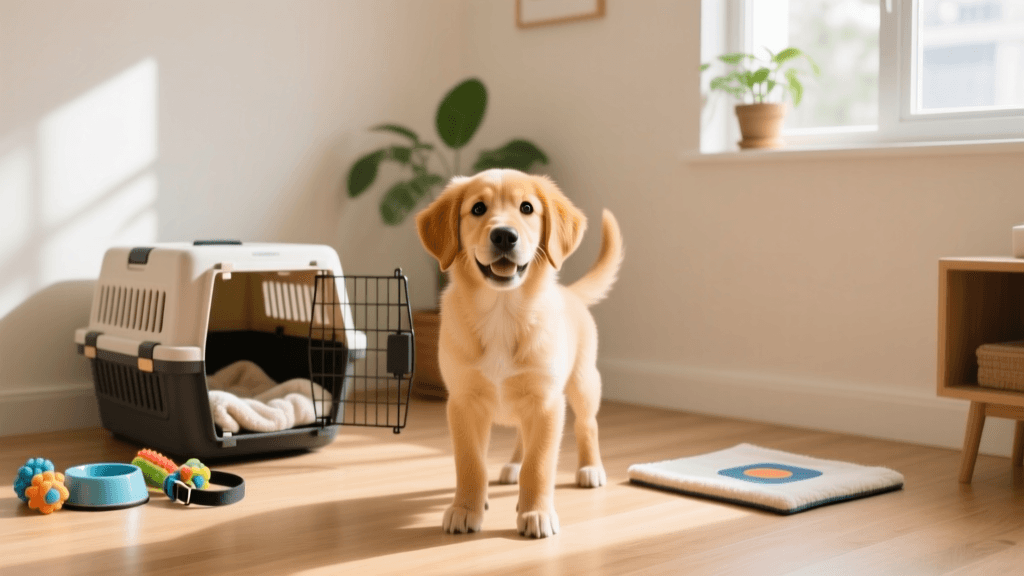
Budget-Friendly Puppy Essentials: Save Money Year One
Discover budget-friendly puppy essentials to save money in year one. Learn DIY hacks, smart shopping tips, and cost-effective care strategies for new owners.
The True Cost of a Puppy's First Year
Bringing a new puppy into your home is an unforgettable experience filled with cuddles, playtime, and rapid growth. However, it is also a significant financial commitment. According to the American Society for the Prevention of Cruelty to Animals (ASPCA), the first-year expenses for a medium-sized dog can easily exceed $1,500 to $2,000, factoring in initial veterinary visits, spaying or neutering, gear, and food. For new pet parents on a tight budget, these numbers can be daunting. Fortunately, providing excellent care does not require emptying your bank account. By prioritizing essential purchases, utilizing DIY enrichment strategies, and knowing where to seek affordable veterinary services, you can raise a happy, healthy puppy on a budget.
Must-Have vs. Nice-to-Have Puppy Gear
Pet stores are filled with gadgets, apparel, and luxury items that claim to make puppy rearing easier. While some are genuinely useful, many are unnecessary expenses. The table below breaks down common puppy purchases, comparing budget-friendly essentials with high-end luxury alternatives.
| Item Category | Budget Option (Estimated Cost) | Luxury Option (Estimated Cost) | The Budget Verdict |
|---|---|---|---|
| Dog Crate | Wire Crate with Divider ($45 - $65) | Smart Climate-Controlled Crate ($300+) | A standard wire crate is durable, easy to clean, and perfectly sufficient for house training. |
| Dog Bed | Machine-Washable Mat ($15 - $25) | Orthopedic Memory Foam Lounger ($80 - $150) | Puppies chew and have accidents. Stick to cheap, washable mats until they outgrow the teething phase. |
| Food Bowls | Stainless Steel Bowls ($10 for a set) | Ceramic Smart Feeders ($100+) | Stainless steel is unbreakable, dishwasher safe, and harbors fewer bacteria than plastic. |
| Puppy Toys | Classic Rubber Kong & DIY Ropes ($15) | Electronic Puzzle Toys ($40 - $60) | Durable rubber toys stuffed with kibble provide hours of enrichment for a fraction of the cost. |
Smart Crate Training on a Budget
One of the most common mistakes new puppy owners make is buying a small crate for their puppy, only to realize they need to purchase a medium, and then a large crate as the dog grows. This is a massive waste of money. Instead, purchase a wire crate sized for your dog's estimated adult weight from day one. For example, if you are bringing home a Labrador Retriever mix that will eventually weigh 65 pounds, buy a 36-inch or 42-inch wire crate.
To make the large space safe and cozy for a 10-pound puppy, use the wire divider panel that comes included with most standard crates. This allows you to section off a small area just big enough for the puppy to stand up, turn around, and lie down. As your puppy grows, simply move the divider back. This single purchase will last your dog's entire lifetime, saving you upwards of $100 in redundant crate purchases.
Budget-Friendly Feeding Strategies
Nutrition is one area where you should never compromise on quality, but you can certainly optimize how you buy it. Premium puppy foods from brands like Purina Pro Plan, Hill's Science Diet, or Royal Canin are formulated to support rapid skeletal and cognitive development. To save money, avoid purchasing the 4-pound or 8-pound bags found on grocery store shelves. The cost per pound drops significantly when you purchase 18-pound or 30-pound bags from major online retailers or local farm supply stores.
Additionally, overfeeding is a hidden cost that leads to expensive veterinary bills later in life due to obesity-related joint issues. Always use a standard 8-ounce measuring cup to portion your puppy's meals based on the feeding guidelines on the bag, adjusting for their specific activity level and body condition score. Treats should make up no more than 10% of their daily caloric intake. Instead of expensive commercial training treats, use a portion of their daily kibble allocation or boil a plain chicken breast and dice it into pea-sized pieces for high-value rewards.
DIY Puppy Toys and Enrichment
Puppies explore the world with their mouths, and teething can result in destroyed household items if they do not have appropriate outlets. You do not need to spend a fortune on plush toys that will be shredded in minutes. Here are a few budget-friendly DIY enrichment ideas:
- Fleece Tug Toys: Visit a craft store and buy a yard of anti-pill fleece (usually under $5). Cut the fabric into long strips, braid them tightly, and knot the ends. These make excellent, washable tug toys that are gentle on teething gums.
- The Muffin Tin Puzzle: Take a standard metal muffin tin, place a few pieces of kibble or dog-safe treats in the cups, and cover each cup with a tennis ball or a crumpled ball of paper. Your puppy will have to use their nose and paws to dislodge the balls to get the reward.
- Frozen KONG Classic: The KONG Classic (approximately $12) is a budget staple. Plug the small hole with a dab of xylitol-free peanut butter, fill the cavity with your puppy's soaked kibble or plain yogurt, and freeze it overnight. This provides up to an hour of soothing, budget-friendly chewing relief.
Low-Cost Potty Training and Cleanup
Potty training requires patience, consistency, and the right cleaning supplies. While expensive indoor grass patches and automated litter boxes exist, the most effective and budget-friendly method is a strict outdoor routine. Take your puppy outside immediately after waking up, after every meal, after play sessions, and right before bed. Praise them enthusiastically and offer a small treat the second they eliminate outdoors.
Accidents are inevitable. When they happen, avoid using ammonia-based household cleaners, as the scent can actually encourage the puppy to mark the same spot again. Instead, invest in a high-quality enzymatic cleaner like Nature's Miracle or Rocco & Roxie (typically $10 to $15 per bottle). These cleaners break down the uric acid crystals at a molecular level, completely removing the scent so your puppy's sensitive nose cannot detect it.
Saving on Veterinary Care and Preventatives
Veterinary care is a non-negotiable aspect of puppy ownership, but there are ways to manage these costs. Puppies require a series of core vaccinations (DHPP and Rabies) administered every three to four weeks until they are 16 weeks old. To avoid paying premium prices at private emergency or specialty clinics, look for local municipal shelters or humane societies that host low-cost vaccination clinics. The Humane Society of the United States maintains excellent resources and directories for finding affordable, reputable veterinary care and spay/neuter assistance programs in your community.
Furthermore, do not skip monthly flea, tick, and heartworm preventatives. Treating a heartworm infection can cost upwards of $1,000 and cause permanent organ damage, whereas a year's supply of a broad-spectrum preventative costs a fraction of that. Ask your veterinarian about prescribing a 6-month or 12-month supply at once, which often comes with a manufacturer rebate or discount.
Free Socialization Opportunities
Early socialization is critical for preventing behavioral issues, fear, and aggression later in life. The American Kennel Club (AKC) emphasizes that the primary socialization window closes around 16 weeks of age. Fortunately, socializing your puppy does not require expensive classes or specialized facilities.
You can create a robust socialization checklist using free, everyday environments. Carry your puppy (if they have not completed their vaccination series) or walk them on a harness to hardware stores like Home Depot or Lowe's, which generally allow leashed dogs. Sit on a bench outside a local grocery store and reward your puppy with kibble every time they calmly observe a stranger, a shopping cart, or a loud truck driving by. Invite friends of different ages, heights, and appearances to your home to gently interact with your puppy. These zero-cost exposures build a confident, well-adjusted adult dog without the need for a pricey behavioral consultant.
Final Thoughts on Budget Puppy Care
Raising a puppy on a budget is entirely possible when you focus on what truly matters: time, consistency, and proactive care. By investing in versatile, long-lasting gear like a wire crate with a divider, utilizing DIY enrichment toys, and taking advantage of community veterinary resources, you can provide a premium upbringing for your puppy without the premium price tag. Remember, your presence, patience, and training are the most valuable things you can offer your new companion, and those are completely free.
hannah-wickes
All our authors care for dogs every day — read more of their work on the authors page.