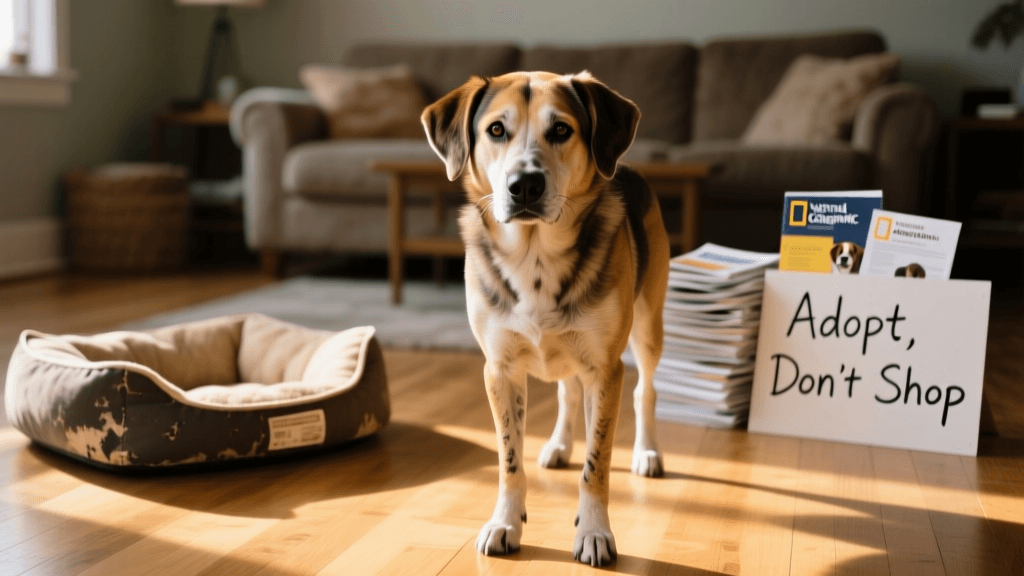
Budget-Friendly Dog Adoption and First-Month Essentials
Discover how to adopt and prepare for a new dog on a budget. Learn cost-saving tips for adoption fees, essential supplies, and first-month vet care.
The Financial Reality of Bringing a Dog Home
Bringing a new dog into your life is an emotional milestone, but it is also a significant financial commitment. According to the Insurance Information Institute, the average annual cost of dog ownership can easily exceed $1,500, with the first year often costing much more due to initial setup expenses. However, becoming a dog owner does not require an unlimited bank account. With strategic planning, resourcefulness, and a focus on budget-friendly dog care, you can provide a loving, high-quality home for a rescue dog without draining your savings.
The key to budget-friendly dog ownership lies in the preparation phase. By understanding where your money is going and identifying areas where you can cut costs without compromising your pet's health or happiness, you can set yourself up for long-term financial success. This guide will walk you through the economics of adoption, sourcing affordable supplies, and managing veterinary care on a strict budget.
Adoption vs. Buying: A Cost Comparison
When deciding how to bring a dog into your home, the source of your new pet plays a massive role in your initial budget. While purchasing a puppy from a reputable breeder can cost anywhere from $1,500 to over $3,000, adopting from a shelter or rescue organization is vastly more economical. Furthermore, shelters often bundle essential veterinary services into their adoption fees, saving you hundreds of dollars in first-month vet visits.
According to the ASPCA, approximately 3.1 million dogs enter U.S. animal shelters every year, and adopting one of them not only saves a life but also protects your wallet. Below is a financial breakdown comparing shelter adoption to buying from a breeder.
| Expense Category | Shelter Adoption (Est.) | Breeder Purchase (Est.) |
|---|---|---|
| Initial Acquisition Fee | $50 - $300 | $1,500 - $3,500+ |
| Spay/Neuter Surgery | Included | $200 - $500 |
| Initial Vaccinations | Included | $100 - $250 |
| Microchipping | Included | $50 - $75 |
| First-Year Total Estimate | $500 - $1,000 | $2,500 - $5,000+ |
Pro Tip: Many municipal shelters offer 'Clear the Shelters' events or senior dog adoption specials where fees are reduced to $25 or even waived entirely. Follow your local animal control on social media to catch these budget-friendly adoption events.
Sourcing Budget-Friendly First-Day Essentials
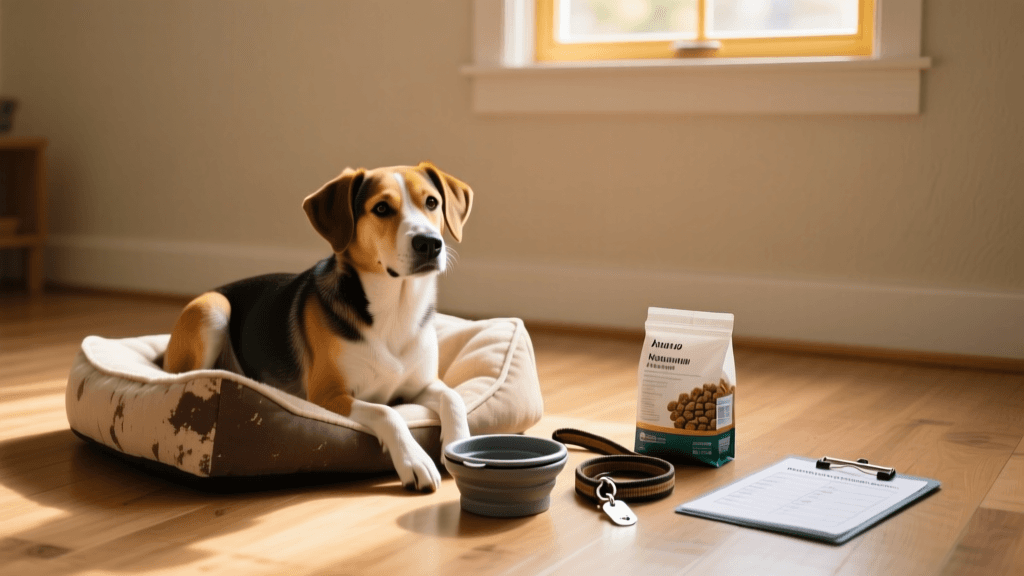
New dog owners often fall into the trap of buying every gadget, bed, and toy available at the pet store. In reality, dogs only need a few core essentials to feel safe and comfortable in their new home. To keep your first-month expenses low, prioritize function over fashion and explore second-hand markets.
The Bare Minimum Checklist
- Collar and ID Tag ($15 - $25): Do not wait to order a custom tag online. Visit a local pet store and use their engraving machine for immediate, cheap identification. Alternatively, write your phone number on the collar with a permanent marker and cover it with clear tape as a temporary zero-cost solution.
- Leash and Harness ($20 - $40): Avoid retractable leashes, which are prone to breaking and offer poor control. A standard 6-foot nylon leash and a front-clip harness are safer and more affordable.
- Food and Water Bowls ($10 - $15): Skip the expensive ceramic or slow feeder bowls initially. Stainless steel bowls are durable, easy to sanitize, and incredibly cheap. In a pinch, you can even use heavy ceramic bowls from a thrift store.
- Dog Food ($30 - $60): Ask the shelter what the dog is currently eating. Sudden diet changes can cause gastrointestinal upset, which leads to expensive vet visits and specialized medications. Transition to a budget-friendly, high-quality kibble slowly over 10 days.
- Crate or Playpen ($40 - $80): This is where you can save the most money. Check Facebook Marketplace, Craigslist, or local thrift stores for used wire crates. Sanitize them with a pet-safe bleach solution (1 part bleach to 32 parts water) before use.
DIY Dog Toys and Enrichment on a Dime
Enrichment is critical for a dog's mental health, especially during the stressful transition period of entering a new home. However, commercial puzzle toys and durable chew toys can cost $20 to $40 each. You can easily replicate these enrichment experiences using household recycling and cheap pantry items.
Zero-Cost DIY Enrichment Ideas
- The T-Shirt Tug Toy: Cut old, unwearable cotton t-shirts into strips and braid them tightly. Knot the ends securely. This creates a durable, washable tug toy that costs absolutely nothing.
- Cardboard Box Foraging: Save your delivery boxes. Place a few pieces of high-value kibble or dog-safe treats inside the box, fold the flaps loosely, and let your dog tear it apart to find the food. This mimics natural foraging behaviors and tires them out mentally.
- Frozen Broth Blocks: Freeze low-sodium, onion-free chicken broth in an ice cube tray with a few pieces of carrot or green beans. This makes an excellent, soothing treat for teething puppies or dogs adjusting to a new environment.
- The Muffin Tin Puzzle: Place treats in the cups of a standard muffin tin, then cover each cup with a tennis ball or a crumpled piece of paper. Your dog will have to figure out how to remove the obstacles to get the reward.
Navigating Veterinary Care on a Budget
Healthcare is inevitably the largest variable cost in dog ownership. While you should never skip essential preventative care, there are several ways to manage veterinary expenses without resorting to high-interest credit cards.
Low-Cost Clinics and Veterinary Schools
Many cities have nonprofit veterinary clinics or mobile vaccine vans that offer core vaccinations, flea/tick preventatives, and heartworm tests at a fraction of the cost of a private practice. Additionally, if you live near a university with a veterinary teaching hospital, they often offer subsidized care or specialized payment plans for complex procedures.
Pet Insurance vs. Discount Plans
According to the Humane Society of the United States, setting up a dedicated pet emergency fund is one of the most reliable ways to handle unexpected medical bills. If you choose to look into pet insurance, do so immediately upon adoption before any pre-existing conditions are documented in your dog's medical file. Alternatively, veterinary discount plans (which charge a low monthly fee for a percentage off routine care) can be a more budget-friendly option for young, healthy rescue dogs who primarily need wellness care rather than emergency surgery coverage.
Hidden First-Month Costs to Anticipate
Even the most meticulous budgeters can be caught off guard by the hidden administrative and environmental costs of getting a dog. Factoring these into your initial budget will prevent financial stress during the critical bonding period.
- Dog Licensing ($10 - $50): Most municipalities legally require you to license your dog within 30 days of adoption. Failing to do so can result in hefty fines. Spayed/neutered dogs usually qualify for deeply discounted license fees.
- Pet Deposits and Rent ($100 - $500): If you rent your home, expect to pay a non-refundable pet deposit or a monthly pet rent fee. Some landlords waive these fees if you can provide a pet resume showing your dog has completed basic obedience training.
- Enzymatic Cleaners ($15 - $25): Rescue dogs may have accidents in their new home due to stress or a change in routine. Standard household cleaners do not break down uric acid, meaning your dog will continue to soil the same spot. Investing in a high-quality enzymatic cleaner immediately will save your rugs and your wallet.
- Basic Obedience Classes ($80 - $150): While YouTube is full of free training videos, in-person group classes are invaluable for socialization and addressing behavioral quirks before they become expensive liabilities. Look for classes hosted by local humane societies or community centers, which are heavily subsidized compared to private trainers.
- At-Home Grooming Tools ($25 - $40): Professional grooming can cost $50 to $100 per session. By investing in a basic set of dog nail clippers, a slicker brush, and an oatmeal-based dog shampoo, you can handle routine maintenance at home and save hundreds of dollars over the first year.
Final Thoughts on Budget-Friendly Dog Care
Getting a dog on a budget does not mean compromising on love, safety, or quality of life. By choosing adoption, sourcing second-hand essentials, utilizing DIY enrichment, and planning for hidden costs, you can confidently welcome a new furry family member into your home. Remember that the most valuable things you can offer your new dog—patience, consistency, and your time—are completely free. With smart financial planning, your journey into dog ownership will be a rewarding experience for both your heart and your bank account.
hannah-wickes
All our authors care for dogs every day — read more of their work on the authors page.