Budget-Friendly Dog Preventive Care and Parasite Control
Discover budget-friendly dog preventive care tips. Save money on flea, tick, and heartworm meds, vaccines, and wellness exams without compromising health.
The Financial Reality of Dog Ownership
Dog ownership is one of life’s greatest joys, but the financial responsibilities that come with it can sometimes feel overwhelming. Veterinary care, in particular, is a major expense for pet parents. According to the American Veterinary Medical Association, routine veterinary care and preventive medications make up a substantial portion of a dog's annual upkeep. However, when budgets get tight, many owners are tempted to skip preventive measures to save a few dollars each month. This is a dangerous financial trap. Skipping routine care often leads to catastrophic emergency vet bills that are five to ten times higher than the cost of prevention.
Fortunately, maintaining your dog’s health and wellbeing does not require an unlimited budget. By understanding where to invest your money, where to safely cut costs, and how to perform essential care at home, you can keep your dog thriving without draining your bank account. This guide focuses on actionable, budget-friendly strategies for parasite control, vaccinations, dental care, and nutrition.
The High Cost of Reactive Care vs. Preventive Care
Preventive care is an investment. Spending $150 a year on preventatives can save you from a $1,500 emergency bill and protect your dog from life-threatening diseases.
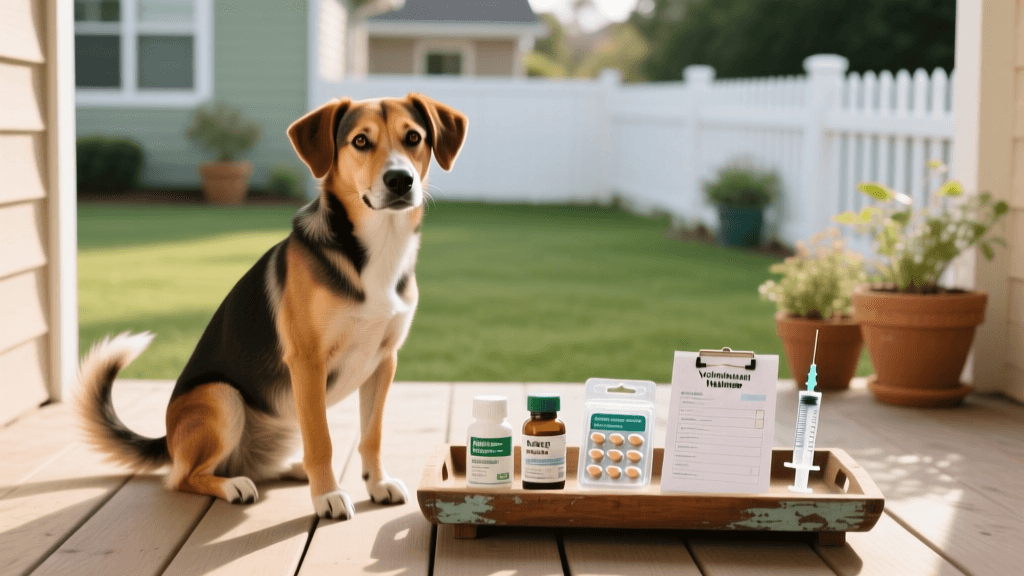
To understand the value of budget-friendly preventive care, we must look at the cost of reactive care. For example, treating a dog for heartworm disease involves a series of painful arsenic-based injections, strict crate rest for several weeks, and extensive veterinary monitoring. The American Heartworm Society notes that treating an active heartworm infection can cost between $1,000 and $1,500, and the permanent damage to the dog's heart and lungs can lead to lifelong medical complications. In stark contrast, a year's supply of generic heartworm prevention costs less than $80. The same logic applies to tick-borne illnesses like Lyme disease and Ehrlichiosis, which require expensive antibiotic courses, blood panels, and sometimes hospitalization.
Smart Strategies for Affordable Parasite Prevention
The parasite prevention market is flooded with name-brand products that carry hefty markups. While these products are highly effective, many generic or store-brand alternatives contain the exact same active ingredients at a fraction of the cost. The FDA regulates these medications, meaning generic equivalents must meet the same safety and efficacy standards as their name-brand counterparts.
Comparing Name-Brand vs. Generic Preventatives
Below is a comparison chart demonstrating how switching to generic alternatives can cut your parasite prevention budget in half without sacrificing your dog's health.
| Category | Name-Brand Example | Budget Generic Alternative | Active Ingredients | Avg. Cost Per Dose |
|---|---|---|---|---|
| Flea & Tick Topical | Frontline Plus | PetArmor Plus | Fipronil & (S)-methoprene | $15.00 vs $7.50 |
| Heartworm Chewable | Heartgard Plus | Tri-Heart Plus | Ivermectin & Pyrantel Pamoate | $9.50 vs $5.50 |
| Broad-Spectrum Topical | Revolution | Revolve | Selamectin | $22.00 vs $14.00 |
Actionable Tip: When applying topical flea and tick medications like PetArmor Plus, always part the hair at the base of the skull and apply the liquid directly to the skin. Do not bathe your dog for 48 hours before or after application, as the product relies on the skin's natural oils to distribute across the body. Applying it incorrectly wastes the product and leaves your dog vulnerable.
Additionally, consider buying in bulk. Many online pet pharmacies and wholesale clubs offer 12-month supplies of medications like Tri-Heart Plus at a 20% to 30% discount compared to buying month-to-month from a local veterinary clinic.
Budgeting for Vaccines and Wellness Exams
Annual wellness exams and core vaccinations are non-negotiable for your dog’s health, but you do not always have to pay premium private-practice prices to get them.
Utilizing Low-Cost Vaccine Clinics
For routine core vaccines like DA2PP (Distemper, Adenovirus, Parainfluenza, Parvovirus) and Rabies, low-cost mobile clinics are an excellent resource. Organizations like the Humane Society of the United States frequently partner with local shelters and pet supply stores to host weekend vaccine clinics. At these clinics, a DA2PP booster might cost $15 to $20, compared to $40 to $60 at a private veterinary hospital. Keep in mind that these clinics are strictly for vaccinations and basic wellness checks; they do not replace a comprehensive physical exam if your dog is showing signs of illness.
Ask About Titer Testing
Instead of automatically administering booster vaccines every year or three years, ask your veterinarian about titer testing. A titer test is a simple blood draw that measures the level of antibodies your dog has against specific diseases like Parvovirus or Distemper. If the antibody levels are sufficiently high, your dog is already immune, and a booster vaccine is unnecessary. While the initial blood test may cost between $50 and $80, it can save you money over the dog's lifetime and reduce the risk of over-vaccination, aligning with the guidelines set forth by the World Small Animal Veterinary Association (WSAVA).
At-Home Dental Care: The Ultimate Budget Hack
Periodontal disease affects over 80% of dogs by the age of three. A professional veterinary dental cleaning, which requires general anesthesia and pre-operative bloodwork, typically costs between $500 and $1,200. If extractions are needed, that bill can easily exceed $2,500. The most budget-friendly approach to canine dental health is rigorous at-home care.
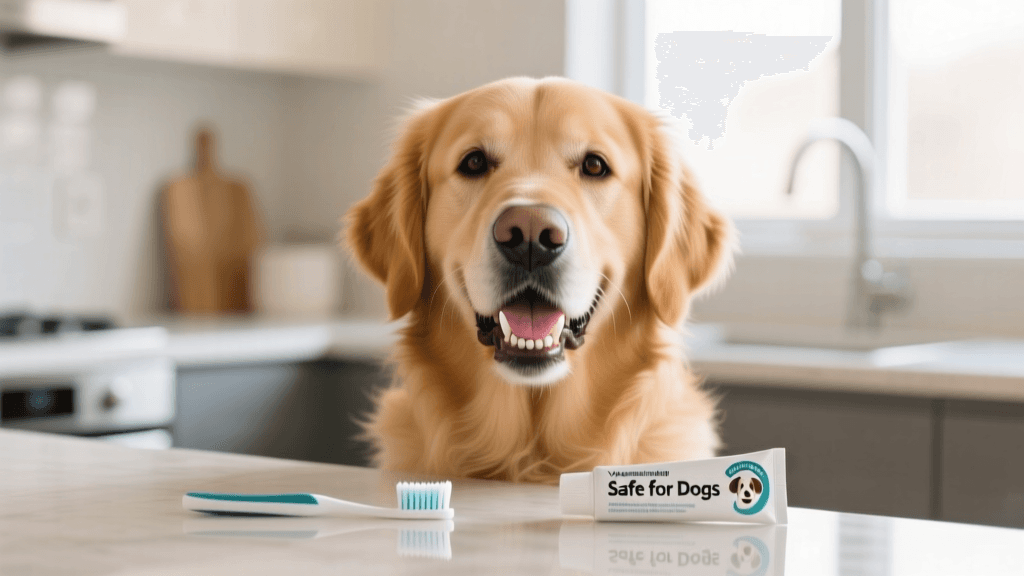
- The Right Tools: Invest in a tube of enzymatic dog toothpaste (such as Virbac C.E.T., which costs about $12 and lasts 2-3 months) and a dual-head canine toothbrush or a silicone finger brush.
- The Technique: Lift your dog's upper lip and focus on brushing the outer surfaces of the teeth, paying special attention to the gumline where plaque accumulates.
- The Schedule: Aim to brush your dog's teeth at least three to four times a week for 60 seconds per session. Daily brushing is ideal, but consistency is more important than perfection.
Warning: Never use human toothpaste on dogs. Human toothpastes often contain fluoride and xylitol, an artificial sweetener that is highly toxic to dogs and can cause rapid, life-threatening hypoglycemia and liver failure.
Nutrition Hacks for Optimal Health on a Budget
Canine obesity is an epidemic that leads to expensive secondary health issues, including osteoarthritis, diabetes, and respiratory problems. Keeping your dog at a lean, healthy body condition score is one of the most effective ways to reduce long-term veterinary costs.
Many pet owners unknowingly overfeed their dogs by relying on the plastic scoops provided in kibble bags or by estimating portion sizes. A study by veterinary nutritionists found that using a standard measuring cup can lead to overfeeding by up to 20%, depending on how the owner scoops the food. To fix this on a budget:
- Use a Digital Kitchen Scale: For $10, you can purchase a basic digital kitchen scale. Weigh your dog's daily kibble allowance in grams according to the feeding chart on the bag. For example, if the recommended daily amount is 1.5 cups, weigh what 1.5 cups actually equals in grams (usually around 130g to 150g, depending on the kibble density) and feed that exact weight every day.
- Adjust for Lifestyle: The feeding guidelines on dog food bags are often calculated for intact, highly active dogs. If your dog is spayed or neutered and gets less than an hour of exercise a day, you may need to reduce the recommended caloric intake by 10% to 15% to prevent weight gain.
- Measure Treats: Treats should make up no more than 10% of your dog's daily caloric intake. Swap expensive, calorie-dense commercial treats for budget-friendly, dog-safe vegetables like baby carrots, green beans, or small pieces of apple (core and seeds removed).
Conclusion
Budget-friendly dog care is not about cutting corners; it is about being a proactive, informed pet parent. By utilizing generic parasite preventatives, taking advantage of low-cost vaccine clinics, committing to at-home dental hygiene, and strictly managing your dog's weight, you can provide top-tier health and wellbeing for your canine companion. Preventive care is the cornerstone of a long, happy life for your dog, and with these smart strategies, it is entirely within your financial reach.
anouk-beaumont
All our authors care for dogs every day — read more of their work on the authors page.