Understanding Dog Enrichment: Budget Mental Stimulation
Discover how to understand your dog's need for mental stimulation and provide budget-friendly enrichment to prevent boredom and destructive behavior.
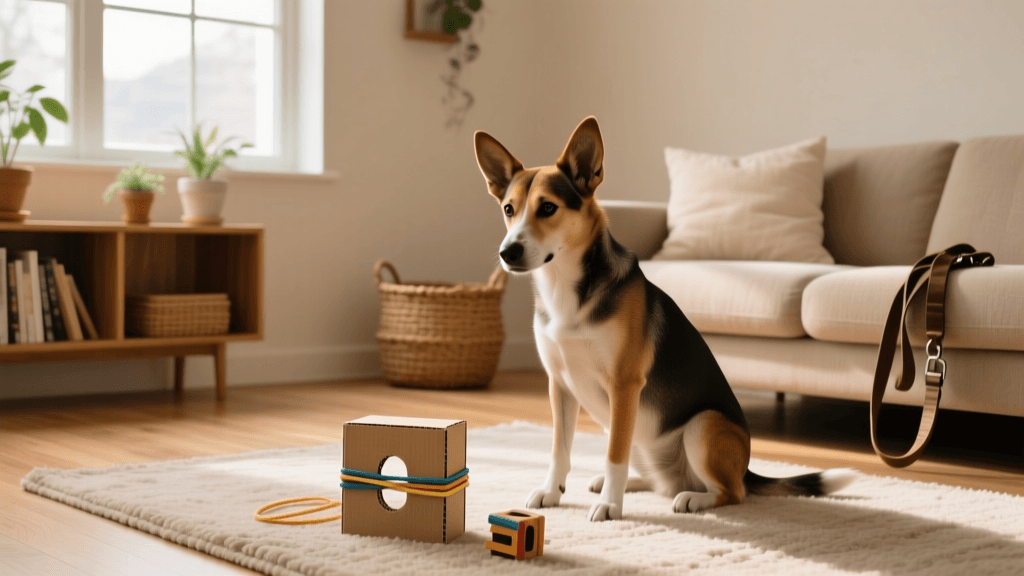
The Psychology of Canine Boredom and the Cost of Dog Care
When we think of budget-friendly dog care, our minds immediately jump to bulk-buying kibble, finding affordable veterinary clinics, or grooming our pets at home. However, one of the most critical aspects of canine welfare—mental enrichment—is frequently overlooked or mistakenly assumed to require expensive, specialized gadgetry. To truly understand your dog, you must first understand their psychological need for a 'job.'
Dogs were not bred to sleep on the couch for fourteen hours a day. Whether your dog is a herding breed designed to make complex spatial decisions, a terrier bred to hunt and dispatch vermin, or a hound built to track scents over miles of terrain, their brain is wired for problem-solving. When a dog's cognitive needs are not met, they do not simply get bored; they experience psychological distress. This often manifests as destructive chewing, excessive barking, pacing, or even depressive behaviors. According to the American Kennel Club (AKC), mental stimulation is just as crucial as physical exercise, and a lack of it is a leading cause of behavioral surrender to shelters.
The good news? Fulfilling your dog's deep-seated psychological needs does not require a massive financial investment. By understanding the core instincts driving your dog's behavior, you can provide high-level mental enrichment using items you already have in your recycling bin or pantry.
The Three Core Canine Instincts (And How to Fulfill Them for Free)
To build a budget-friendly enrichment plan, we must first categorize the natural instincts your dog is trying to express. Most problematic 'boredom' behaviors stem from three unfulfilled drives: foraging, dissecting, and scent-tracking.
1. The Foraging Instinct: Ditch the Food Bowl
In the wild, canines spend up to 80% of their waking hours hunting, scavenging, and foraging for food. In a modern home, a dog is presented with a bowl of kibble that takes exactly forty-five seconds to inhale. This sudden abundance of calories with zero cognitive effort creates a massive void in their daily routine.
The Budget Solution: The Muffin Tin Puzzle
Instead of buying a $25 plastic puzzle toy, head to your kitchen. Take a standard 12-cup muffin tin. Place a few high-value treats or your dog's daily kibble ration into the bottom of a few cups. Then, place tennis balls or crumpled pieces of paper over all the cups. Your dog must use their nose to find the food and their paws or snout to remove the obstacles. This mimics the natural foraging process, turning a two-minute meal into a twenty-minute cognitive workout.
2. The Dissecting Instinct: Safe Shredding
Many dog owners are frustrated when their pets destroy plush toys, pillows, or toilet paper rolls. From a canine perspective, this is not 'bad behavior'; it is the expression of the prey-dissection sequence. Breeds with high prey drive (like Terriers, Huskies, and Dachshunds) have a hardwired urge to tear, pull, and extract.
The Budget Solution: The Cardboard Box 'Prey'
Save your delivery boxes and paper towel tubes. Take a small cardboard box, place some dry treats inside, and fold the flaps shut. For an advanced level, place that box inside a slightly larger box with some crumpled newspaper. Let your dog tear the cardboard apart to 'extract' the reward. Not only is this completely free, but it also saves your furniture and expensive dog beds from bearing the brunt of this natural instinct. Note: Always supervise this activity to ensure your dog is spitting out the cardboard and only eating the treats.
3. The Scent-Tracking Instinct: The Power of the Sniffari
A dog's olfactory lobe is proportionally 40 times larger than a human's. Furthermore, they possess a vomeronasal organ that allows them to process pheromones and complex environmental data. When you pull your dog along a brisk, two-mile walk on a tight leash, you are providing physical exercise but completely ignoring their primary way of 'seeing' the world.
The Budget Solution: The Decompression Sniffari
Once a week, swap your structured walk for a 'Sniffari.' Take your dog to a safe, grassy area on a long line (a 15-foot cotton training lead costs under $10 and lasts for years). Let the dog dictate the route and the pace. If they want to sniff a single patch of weeds for five minutes, let them. Studies show that intense sniffing actually lowers a dog's heart rate and releases dopamine, providing a profound sense of calm that physical running cannot replicate.
Commercial vs. Budget DIY Enrichment: A Comparison
Understanding your dog means recognizing that they do not care about the brand name or the price tag on a toy. They care about the puzzle it presents. Below is a comparison of popular commercial enrichment items versus their budget-friendly, DIY counterparts.
| Enrichment Type | Commercial Option (Avg. Cost) | Budget DIY Alternative (Cost) | Instinct Fulfilled |
|---|---|---|---|
| Foraging Puzzle | Outward Hound Dog Brick ($18 - $25) | Muffin Tin & Tennis Balls ($0) | Scavenging, Problem Solving |
| Licking / Soothing | Silicone LickiMat ($12 - $15) | Textured Silicone Trivet or Shower Mat ($0 - $3) | Calming, Endorphin Release |
| Deconstruction | Plush 'Hide-a-Squirrel' Toy ($15 - $20) | Cardboard Box & Paper Towel Tubes ($0) | Prey Dissection, Shredding |
| Scent Work | Snuffle Mat ($25 - $40) | Fleece Scraps Tied to a Wire Rack ($0) | Olfactory Processing, Foraging |
As the Humane Society of the United States notes, rotating your dog's toys and puzzles is vital to maintaining their interest. Because DIY options are virtually free, you can create a massive rotation library without straining your wallet.
Reading Your Dog's Body Language: The Goldilocks Zone
Providing budget enrichment is only half the equation; understanding how your dog responds to it is where true canine psychology comes into play. When you present your dog with a DIY puzzle (like the towel roll-up or the muffin tin), you must observe their body language to ensure the difficulty level is appropriate.
Signs of Frustration (The Puzzle is Too Hard)
If a puzzle is too difficult, a dog will not feel 'challenged'; they will feel defeated. Watch for these subtle calming signals and stress indicators:
- Lip licking and yawning: When not tired or eating, these are classic signs of cognitive stress.
- Pawing frantically then walking away: This indicates the dog has given up and is experiencing frustration.
- Whining or barking at the object: The dog is trying to use brute force because they cannot figure out the cognitive step required.
Pro-Tip: If your dog shows frustration, do not let them fail. Step in, point to the treat, and help them solve it. Next time, make the puzzle 20% easier to build their confidence.
Signs of Engagement (The Goldilocks Zone)
When a puzzle is perfectly matched to your dog's current skill level, you will see:
- A relaxed, wagging tail with a loose body posture.
- Intense focus with soft, blinking eyes.
- Methodical use of paws and snout, alternating between sniffing and manipulating the object.
Safety First with Household Items
While budget-friendly dog care is highly rewarding, safety must remain the priority. Dogs explore the world with their mouths, and what seems like a fun DIY toy can become a choking hazard if left unattended. Never leave a dog alone with cardboard, small balls, or fabrics that can be ingested. Always supervise DIY enrichment sessions, and once the treats are gone, promptly collect and discard or store the household items used.
Conclusion: Wealth in Welfare, Not Wallets
Understanding your dog's behavior is the ultimate budget hack. When you realize that your dog's destructive chewing is actually a cry for a dissection puzzle, or that their hyperactivity is a result of olfactory deprivation rather than a lack of running, you change your approach to their care. By tapping into their ancestral instincts—scavenging, shredding, and sniffing—you can provide a rich, fulfilling, and mentally exhausting life for your dog using nothing more than your recycling bin, your pantry, and a little bit of empathy. Great dog care isn't about how much money you spend; it's about how deeply you understand the canine mind.
anouk-beaumont
All our authors care for dogs every day — read more of their work on the authors page.