Breed Selection: Matching Dog Traits To Training Styles
Discover how to select the right dog breed for your training lifestyle. Compare herding, hound, and terrier traits with actionable obedience tips.
The Foundation of Breed-Specific Training and Selection
Selecting a new canine companion is one of the most exciting decisions a prospective pet owner can make. However, many people choose a dog based purely on aesthetics, size, or a childhood nostalgia, completely overlooking the animal's innate behavioral drives. When you bring a dog into your home, you are not just adopting a pet; you are adopting a specific set of genetic predispositions that will dictate how the animal learns, reacts to stimuli, and responds to obedience training. According to the American Kennel Club, understanding breed groups is the first step toward successful human-canine cohabitation. If your lifestyle only allows for twenty minutes of training a day, a high-drive working breed will quickly become frustrated and destructive. Conversely, if you are looking for a competitive agility partner, a low-energy toy breed may not be the right fit.
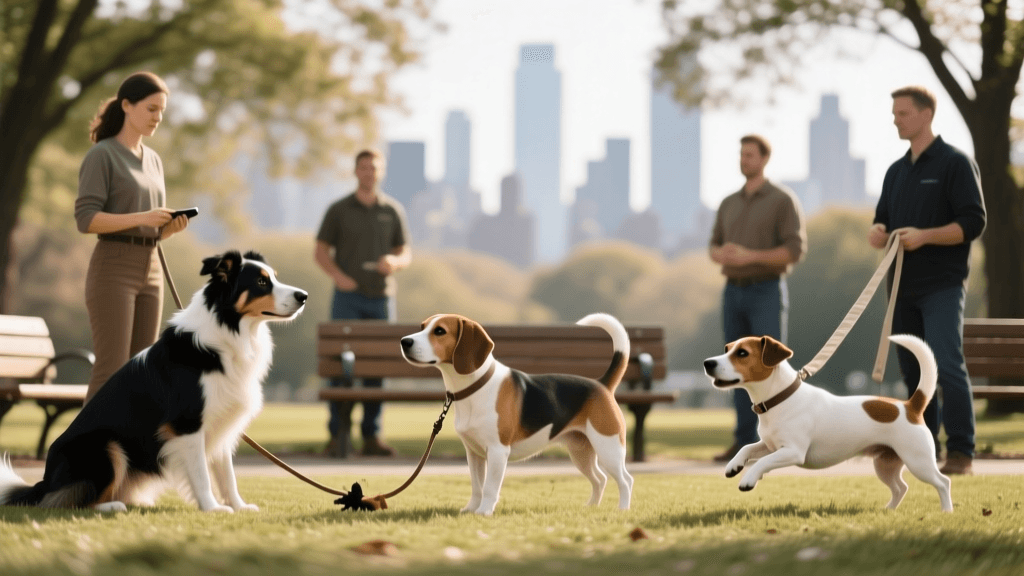
This comprehensive guide explores the intersection of breed selection and training methodologies. By comparing three distinct and popular breed groups—Herding, Hound, and Terrier—you will learn how to match your personal training capacity, budget, and lifestyle to the right dog. We will break down the specific challenges, ideal training session lengths, equipment costs, and behavioral conditioning techniques required for each group.
Herding Breeds: The Eager but Demanding Scholars
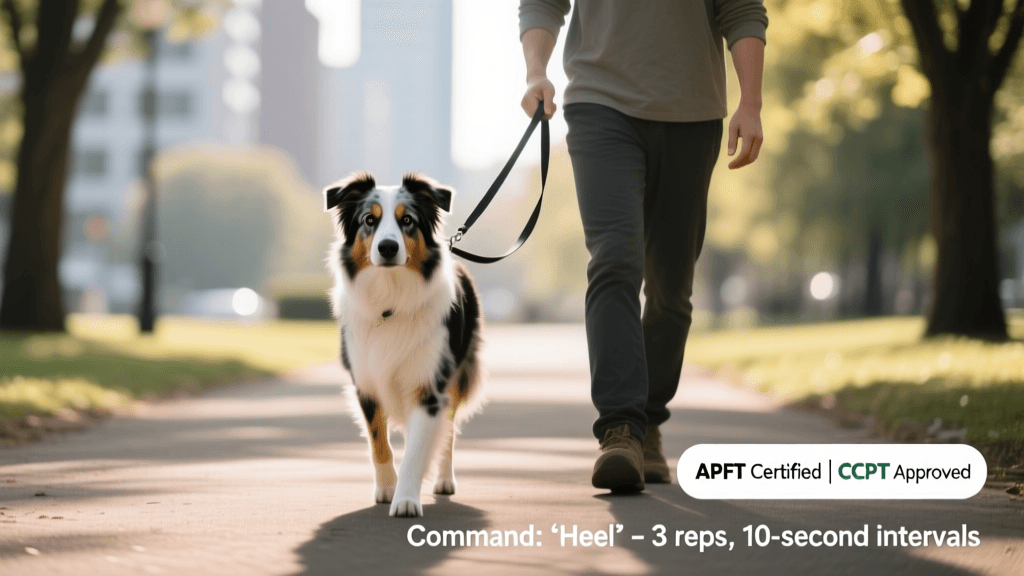
Herding breeds, such as the Border Collie, Australian Shepherd, and Belgian Malinois, were selectively bred to work closely with human handlers to control the movement of livestock. This history has resulted in dogs that are exceptionally biddable, highly intelligent, and deeply attuned to human body language. They excel in obedience, agility, and complex trick training. However, their trainability is a double-edged sword. Because they are bred to 'work,' they require constant mental stimulation. If you do not give a herding dog a job, they will invent one—which often involves herding your children, chasing cars, or obsessively shadowing you around the house.
Training Strategies and Costs
When training a herding breed, physical exercise is not enough; you must incorporate cognitive fatigue. A standard 6-week group obedience class (averaging $150 to $250) is merely the starting line. To truly thrive, these dogs benefit from advanced dog sports like agility or flyball. Expect to spend an additional $100 to $200 per session for specialized agility classes. At home, utilize interactive puzzle toys, such as the Nina Ottosson Dog Brick (approximately $15 to $30), to teach them how to problem-solve for their daily kibble.
Because herding dogs are highly sensitive to their handler's tone, heavy-handed corrections will cause them to shut down. Instead, rely on positive reinforcement and marker training (using a clicker or a verbal 'yes'). Keep training sessions to 15 to 20 minutes, twice a day. Any longer, and the dog may become overstimulated or frustrated.
Hound Breeds: The Scent-Driven Independents
Hounds, including Beagles, Coonhounds, and Basset Hounds, were bred to track game over vast distances using their extraordinary olfactory senses. Unlike herding dogs that look to their handlers for direction, hounds are wired to follow their noses, making them notoriously independent and easily distracted. The ASPCA notes that recall is consistently one of the most challenging behaviors to instill in scent-driven breeds, as a compelling odor will almost always override a verbal command.
Training Strategies and Costs
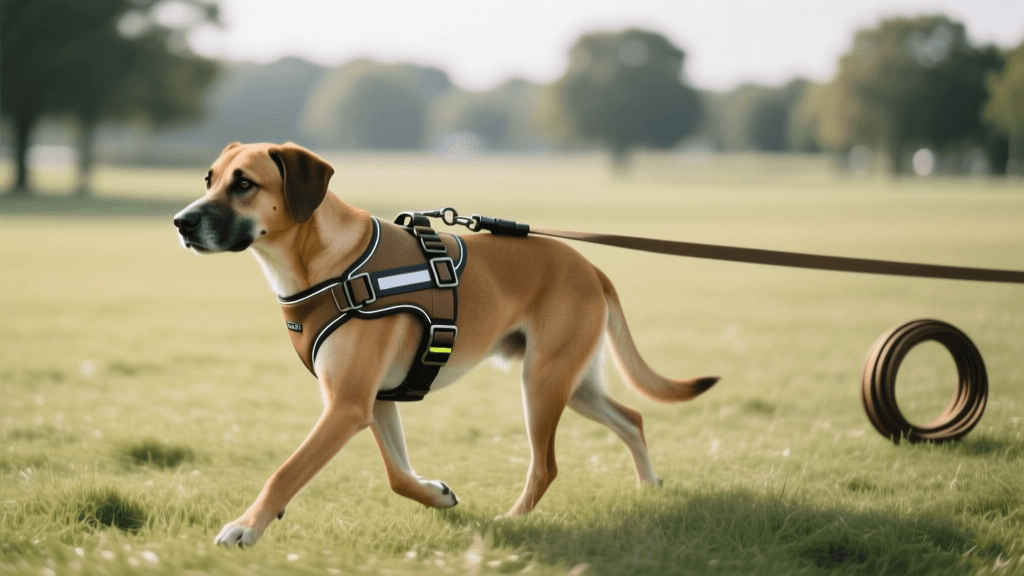
If you select a hound, you must adjust your expectations regarding off-leash reliability. Training a hound requires a shift from traditional obedience to scent-based engagement. Instead of fighting their nose, use it. Invest in a 15 to 30-foot biothane long-line leash ($25 to $45) to practice recall in open fields safely. When practicing the 'come' command, you must become more interesting than the environment. This means utilizing ultra-high-value treats, such as freeze-dried beef liver or Zuke's Mini Naturals ($6 to $12 per bag), reserving these exclusively for recall training.
Furthermore, consider enrolling your hound in Scent Work or Nosework classes. These specialized courses (typically $120 to $180 for a beginner session) channel their innate drives into a structured game, building confidence and strengthening your bond. Keep formal training sessions short—no more than 5 to 10 minutes—as hounds can easily become bored by repetitive drills.
Terrier Breeds: The Stubborn Problem-Solvers
Terriers like the Jack Russell, Rat Terrier, and Miniature Schnauzer were originally bred to hunt and kill vermin independently. This required them to be tenacious, quick, and capable of making split-second decisions without human input. In a modern home, this translates to a dog that is incredibly smart but often asks, 'What's in it for me?' Terriers possess high prey drives and can be reactive toward other small animals, making impulse control the cornerstone of their training regimen.
Training Strategies and Costs
The most critical commands for a terrier are 'Leave it' and 'Drop it.' Because their instinct to chase and grab is so deeply ingrained, you must practice impulse control daily. A highly effective and inexpensive tool for this is a flirt pole (a wand with a lure attached, costing $20 to $40). Use the flirt pole to simulate prey, teaching the dog to 'wait' before chasing and to 'drop' the toy on command. This satisfies their predatory sequence in a safe, controlled manner.
When seeking professional help for terrier reactivity or stubbornness, look for a certified behavior consultant. As recommended by the Association of Professional Dog Trainers, hiring a certified professional (averaging $90 to $150 per hour) can provide you with tailored management strategies that prevent the rehearsal of bad habits. Terriers respond best to short, game-based training sessions lasting 3 to 5 minutes, heavily rewarding them for making calm choices.
Breed Group Training Comparison Chart
Use the table below to evaluate which breed group aligns with your available time, budget, and training philosophy.
| Breed Group | Primary Drive | Biggest Training Challenge | Ideal Session Length | Avg. Annual Training Cost |
|---|---|---|---|---|
| Herding | Handler Focus & Motion | Overstimulation & Neuroticism | 15-20 Minutes | $400 - $800 |
| Hound | Scent & Tracking | Off-Leash Recall & Distraction | 5-10 Minutes | $200 - $400 |
| Terrier | Prey Drive & Independence | Impulse Control & Reactivity | 3-5 Minutes | $300 - $600 |
Actionable Advice for Prospective Owners
Before signing adoption papers or contacting a breeder, conduct a personal 'Training Audit' to ensure you are setting yourself and the dog up for success. Ask yourself the following questions:
- Time Commitment: Do I have 30 to 60 minutes every single day to dedicate to active training and mental enrichment? If no, avoid Herding and Working breeds.
- Environment: Do I live in a fenced yard, or will I be walking my dog in busy urban areas? If you lack a secure fence, a Hound's tendency to follow scents makes them a high flight risk.
- Patience Level: How do I react when I am ignored? If you have a low tolerance for stubbornness, a Terrier's independent nature will test your frustration threshold.
- Financial Budget: Have I set aside at least $500 for the first year's training, socialization classes, and specialized equipment (long-lines, puzzle toys, agility fees)?
Pro Tip: If you are a first-time dog owner, consider selecting a breed from the Sporting group (like a Golden Retriever or Labrador) or a mixed-breed rescue that has been evaluated in a foster home. Foster parents can provide invaluable insights into a dog's actual trainability and house manners, bypassing the guesswork of puppyhood.
Conclusion
Ultimately, there is no such thing as a 'bad' dog, only a mismatched pairing between a dog's genetic drives and an owner's training capacity. By viewing breed selection through the lens of behavioral conditioning, you transition from simply picking a cute face to choosing a compatible lifestyle partner. Whether you embrace the rigorous demands of a Herding dog, the aromatic adventures of a Hound, or the fiery spirit of a Terrier, aligning your expectations with their innate traits is the true first step in successful obedience training.
beth-carrasco
All our authors care for dogs every day — read more of their work on the authors page.