Brachycephalic vs Mesocephalic Breeds: Health Risks Compared
Compare the health risks, exercise needs, and veterinary costs of brachycephalic and mesocephalic dog breeds to make an informed, health-first selection.
The Impact of Skull Shape on Canine Wellbeing
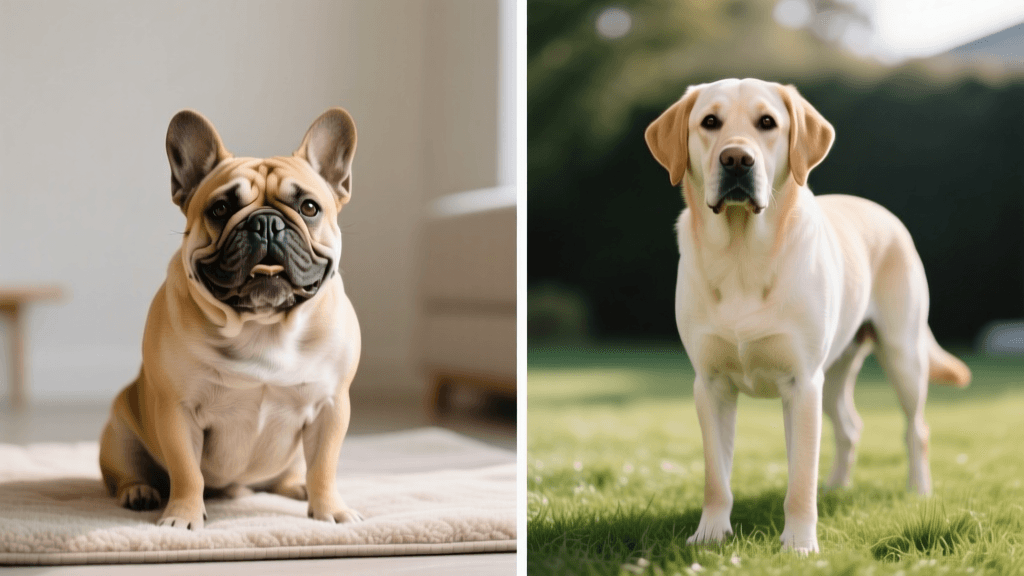
Choosing a dog is an emotional decision, often driven by a preference for a specific look, size, or temperament. However, as a prospective dog owner, prioritizing health and wellbeing during the breed selection process is paramount. One of the most significant anatomical factors influencing a dog's lifelong health, veterinary costs, and daily care requirements is its skull shape. In veterinary medicine, dogs are generally categorized by their cephalic index into three groups: dolichocephalic (long-nosed), mesocephalic (medium-proportioned), and brachycephalic (short-nosed or flat-faced).
This article provides an in-depth health comparison between brachycephalic breeds (such as French Bulldogs, Pugs, and Boston Terriers) and mesocephalic breeds (such as Beagles, Border Collies, and Labrador Retrievers). By understanding the genetic predispositions, anatomical limitations, and preventive care needs of these distinct groups, you can make an informed, welfare-first decision when selecting your future companion.
Understanding Brachycephalic Breeds: Anatomy and Health Risks
Brachycephalic breeds have been selectively bred for a shortened skull, resulting in a flat face and a compressed upper jaw. While this gives them their signature "puppy-like" appearance, it fundamentally alters their respiratory, dental, and ocular anatomy.
Brachycephalic Obstructive Airway Syndrome (BOAS)
The most pervasive health issue in flat-faced dogs is Brachycephalic Obstructive Airway Syndrome (BOAS). According to the Cornell University College of Veterinary Medicine, BOAS is caused by a combination of anatomical abnormalities, including stenotic nares (narrowed nostrils), an elongated soft palate, and a hypoplastic trachea. These structural defects force the dog to work significantly harder to breathe, leading to chronic respiratory distress, exercise intolerance, and severe heat sensitivity.
Secondary Complications: Eyes, Teeth, and Skin
Beyond respiratory distress, the compressed skull leaves little room for other structures. Dental crowding is ubiquitous, often leading to severe periodontal disease requiring frequent professional extractions. The shallow eye sockets (orbits) cause the eyes to protrude, making brachycephalic dogs highly susceptible to corneal ulcers, dry eye (keratoconjunctivitis sicca), and proptosis (where the eye pops out of the socket). Furthermore, deep facial folds trap moisture and bacteria, necessitating daily cleaning to prevent painful dermatitis and yeast infections.
Understanding Mesocephalic Breeds: Balanced Anatomy
Mesocephalic breeds possess a skull shape that is proportionally balanced, with a distinct muzzle that allows for normal airway anatomy, adequate dental spacing, and properly seated eyes. Examples include the Australian Shepherd, Beagle, and Standard Poodle.
Anatomical Advantages and Exercise Tolerance
Because their airways are unobstructed, mesocephalic dogs can pant efficiently to regulate their body temperature. This grants them a much higher tolerance for exercise and varying climates. They are generally better suited for active owners who enjoy hiking, running, or participating in canine sports like agility and obedience trials.
Common Mesocephalic Health Concerns
While they avoid the severe structural defects of brachycephalic breeds, mesocephalic dogs are not immune to genetic diseases. Their health risks are typically related to size and lineage rather than fundamental anatomical distortion. Common issues include hip and elbow dysplasia, cranial cruciate ligament (CCL) tears, and breed-specific conditions like hereditary cataracts or epilepsy. The Orthopedic Foundation for Animals (OFA) maintains comprehensive databases on these conditions, emphasizing the importance of joint and cardiac screening for medium-to-large mesocephalic breeds.
Head-to-Head Health and Care Comparison
To help you visualize the differences in daily care, financial commitment, and lifestyle compatibility, review the comparison table below.
| Feature | Brachycephalic Breeds (e.g., French Bulldog) | Mesocephalic Breeds (e.g., Border Collie) |
|---|---|---|
| Average Lifespan | 10 - 12 years | 12 - 15 years |
| Primary Health Risks | BOAS, heatstroke, corneal ulcers, skin fold dermatitis | Joint dysplasia, ligament tears, hereditary eye/heart conditions |
| Exercise Needs | Low to Moderate (short, monitored walks) | Moderate to High (1-2+ hours of active engagement) |
| Climate Tolerance | Poor (high risk of heatstroke above 75°F/24°C) | Good to Excellent (with proper acclimation and hydration) |
| Daily Grooming | Facial fold cleaning, eye lubrication | Brushing, ear cleaning, nail trimming |
| Est. Annual Vet Costs | $800 - $2,500+ (excluding emergency BOAS surgery) | $500 - $1,200 (routine care and preventive joint supplements) |
Actionable Advice for Prospective Owners
If you are currently navigating the breed selection process, use the following guidelines to ensure you are bringing home a healthy dog with the highest possible quality of life.
1. Demand Transparent Health Testing
Never purchase a puppy from a breeder who cannot provide documented health clearances. For mesocephalic breeds, insist on seeing OFA or PennHIP certifications for hips and elbows, as well as veterinary ophthalmologist eye clearances. If you are set on a brachycephalic breed, seek out breeders who actively test for BOAS using functional airway tests, and who are intentionally breeding for longer muzzles and wider nares to improve welfare.
2. Evaluate Your Lifestyle and Environment
Be honest about your living situation. If you live in a hot, humid climate or work long hours away from an air-conditioned home, a brachycephalic dog is a dangerous choice. Their inability to thermoregulate means a simple walk in the summer sun can trigger a fatal heatstroke emergency. Conversely, if you live in an apartment and lack the time for rigorous daily exercise, a high-drive mesocephalic breed like a Border Collie will quickly develop destructive behavioral issues born from pent-up physical and mental energy.
3. Factor in Pet Insurance and Preventive Care
Brachycephalic breeds are notoriously expensive to insure. Many pet insurance companies classify BOAS and related dermatological issues as congenital or breed-specific, which can lead to higher premiums or coverage exclusions. According to the Royal Society for the Prevention of Cruelty to Animals (RSPCA), the normalization of breathing difficulties in flat-faced dogs is a severe welfare concern, and owners must be financially prepared for corrective airway surgeries, which can cost between $2,000 and $5,000. Mesocephalic breeds generally have more straightforward insurance profiles, though joint-related claims are common in their senior years.
Dietary and Weight Management Considerations
Weight management is a critical component of preventative care, but its importance varies drastically between skull types. For brachycephalic dogs, maintaining a lean body condition score (BCS of 4 or 5 out of 9) is non-negotiable. Excess adipose tissue around the neck and chest further compresses an already compromised airway, exacerbating BOAS symptoms and increasing the risk of tracheal collapse. Owners must measure food precisely using a digital kitchen scale and limit high-calorie treats.
Mesocephalic breeds, particularly those with high energy outputs, require nutrient-dense diets formulated for active dogs. However, breeds like the Beagle or Labrador Retriever are genetically predisposed to obesity and food-motivated behaviors. For these dogs, utilizing slow-feeder bowls, incorporating puzzle toys for mental stimulation, and replacing calorie-dense biscuits with low-calorie options like steamed green beans or carrots can prevent the joint strain associated with canine obesity. Consulting with a veterinary nutritionist to establish a tailored feeding plan during the puppy's first year can set the foundation for optimal joint and organ health throughout their lifespan.
Conclusion: Making a Welfare-First Selection
Selecting a dog breed is a commitment that spans over a decade. While the wrinkled face and snoring of a brachycephalic breed may be endearing, they are often the sounds of chronic respiratory struggle. Mesocephalic breeds offer a more anatomically sound alternative, providing robust health, greater exercise versatility, and fewer structural emergencies. By looking past superficial trends and focusing on anatomical health, genetic testing, and lifelong care requirements, you can select a canine companion who will thrive by your side for years to come. Remember that a healthy dog is a happy dog, and prioritizing functional anatomy over exaggerated aesthetic traits is the greatest act of love you can offer your future pet.
tom-renshaw
All our authors care for dogs every day — read more of their work on the authors page.