Boundary Training: Dog-Proofing Off-Limit Zones Indoors
Learn how to combine boundary training with strategic dog-proofing to keep your pet safe and teach them to respect off-limit indoor zones effectively.

The Intersection of Dog-Proofing and Boundary Training
Bringing a dog into your home is a joyful experience, but it also introduces a unique set of environmental challenges. Puppies explore the world with their mouths, and adult dogs can develop persistent habits of invading spaces where they do not belong. While many owners view dog-proofing and obedience training as two separate tasks, the most successful canine behaviorists know that they are deeply intertwined. True boundary training is not just about teaching a dog the word 'no'; it is about strategically managing the home environment to set the dog up for success while actively conditioning them to respect off-limit zones.
When you combine physical dog-proofing with consistent behavioral conditioning, you create a safe sanctuary for your pet and preserve your sanity. This comprehensive guide will walk you through the exact products, measurements, and training protocols required to establish and maintain indoor boundaries, focusing on high-risk areas like kitchens, bathrooms, and living rooms.
Physical Barriers vs. Behavioral Boundaries
Before initiating active training, you must manage the environment. If a dog has unrestricted access to a forbidden area, they will practice the unwanted behavior, reinforcing the habit. Physical barriers prevent rehearsal of bad habits, while behavioral boundaries teach the dog self-control. Below is a comparison of the most effective tools for establishing indoor boundaries.
| Tool Type | Product Example | Estimated Cost | Best Use Case | Training Phase |
|---|---|---|---|---|
| Pressure-Mounted Gate | Regalo Easy Step (30-inch height) | $40 | Doorways, hallways, and staircases | Phase 1: Environmental Management |
| Freestanding Pet Pen | IRIS USA 4-Panel Exercise Pen | $60 | Open-concept rooms, blocking off corners | Phase 1: Environmental Management |
| Motion-Activated Deterrent | PetSafe SSSCAT Spray Deterrent | $130 | Countertops, couches, and trash cans | Phase 2: Behavioral Conditioning |
| Visual Boundary Marker | Blue Painter's Tape (1-inch width) | $5 | Thresholds, rug edges, and doorframes | Phase 2: Active Training |
Step-by-Step Boundary Training for High-Risk Areas
The Kitchen: Teaching the 'Place' Command
The kitchen is arguably the most dangerous room for a dog. Between dropped food, toxic ingredients like onions and garlic, and hot surfaces, the kitchen requires strict boundary enforcement. Rather than constantly pushing your dog out of the kitchen, teach them an incompatible behavior: the 'Place' command.
Invest in a raised, breathable cot like the Coolaroo Elevated Pet Bed (approximately $45). The raised edges provide a clear physical boundary that the dog can feel, making it easier for them to understand where their designated zone begins and ends. Place the bed just outside the kitchen threshold or in a designated corner where the dog can still see you.
Training Protocol:
- Step 1: Lure your dog onto the cot with a high-value treat, such as Zuke's Mini Naturals ($6 per bag). The moment all four paws are on the mat, say 'Yes!' and reward.
- Step 2: Introduce the verbal cue 'Place' right before luring. Repeat this in 15-minute sessions, twice a day.
- Step 3: Begin adding duration. Ask for a 'Place', wait 3 seconds, then reward. Gradually increase the time to 5 minutes, then 10 minutes, while you simulate kitchen activities like chopping vegetables or loading the dishwasher.
- Step 4: Add the 'Leave It' command for dropped food. According to the American Kennel Club, teaching 'Leave It' is foundational for impulse control and can literally save your dog's life if they drop something toxic on the floor.
The Living Room: Protecting Furniture and Cords
If your goal is to keep your dog off the furniture or away from the television console, you must combine visual cues with environmental management. Start by applying a strip of blue painter's tape across the threshold of the forbidden area or along the edge of the rug leading to the furniture. Dogs have excellent dichromatic vision and can easily distinguish the blue tape against most flooring.
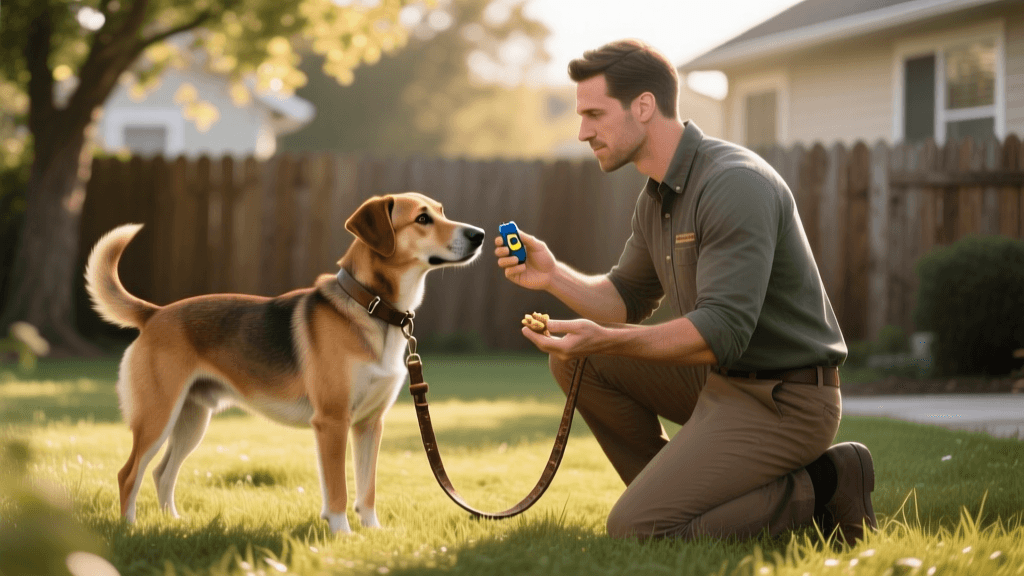
Walk your dog on a leash indoors. Approach the tape boundary. The moment your dog stops before crossing the tape, mark the behavior with a clicker or a verbal 'Yes' and toss a treat backward, away from the boundary. This teaches the dog that stopping at the line yields rewards, while crossing it yields nothing. If your dog attempts to cross, gently guide them back with the leash without repeating the command or showing frustration.
For electronic cords and cables near the TV console, dog-proofing is non-negotiable. Use split loom tubing or cord concealers like the JOTO Cord Management Kit ($15 for 6 feet). Not only does this hide the visual stimulus of dangling wires, but the hard plastic texture is highly unappealing to chew. Never rely solely on training to prevent cord chewing; a single mistake can result in severe electrical burns or electrocution.
Dog-Proofing the Off-Limit Zones
Even the most well-trained dog will experience moments of weakness, especially when left unsupervised or when triggered by high-value scents. As noted by the American Veterinary Medical Association (AVMA), pet-proofing is an ongoing process that requires anticipating your dog's natural curiosity and removing hazards before they become an issue.
Securing Cabinets and Trash
Dogs are notorious counter-surfers and trash-raiders. To dog-proof your lower kitchen and bathroom cabinets, install magnetic cabinet locks, such as the EcoBaby Magnetic Locks ($25 for a pack of 12). These locks are completely invisible from the outside and require a magnetic key to open, ensuring your dog cannot paw them open. Store all cleaning supplies, medications, and xylitol-containing products (like certain peanut butters and sugar-free gums) behind these locked doors.
For the trash can, upgrade to a heavy-duty, dog-proof receptacle. The simplehuman 13-Gallon Step Trash Can (approximately $150) features a tight-sealing lid and a heavy base that prevents even large breeds from tipping it over. Alternatively, mount a pull-out trash bin inside a locked cabinet to entirely remove the temptation from the dog's environment.
Eliminating Toxic Hazards
Many common houseplants are highly toxic to dogs if ingested. Lilies, sago palms, pothos, and dieffenbachia can cause severe gastrointestinal distress, liver failure, or neurological issues. Before bringing any new greenery into your home, consult the ASPCA's Animal Poison Control Center database to verify its safety. If you already own toxic plants, move them to high, inaccessible hanging planters or behind a physical barrier like a freestanding pet pen. Remember that dogs can jump or climb, so 'high up' must be calculated based on your dog's maximum vertical leap plus an additional 12 inches of clearance.
Managing Setbacks and Environmental Triggers
Boundary training is rarely a linear process. Your dog will inevitably cross the boundary at some point. How you handle these setbacks determines the long-term success of the training.
When your dog breaches a boundary, avoid yelling or physical punishment. Yelling only teaches the dog to avoid you, not the boundary. Instead, use a neutral interrupter sound, such as a sharp 'Uh-oh' or a kissy noise, to break their focus. Once they look at you, guide them back to the correct side of the boundary or to their 'Place' cot, and reward them heavily for complying.
'Management prevents the rehearsal of unwanted behaviors, while training builds the neural pathways for self-control. You cannot train your way out of a poorly managed environment; you must do both simultaneously for lasting results.' - Canine Behavior Modification Principle
Identify your dog's environmental triggers. Does the sound of the doorbell cause them to bolt past their boundary? Does the smell of roasting chicken override their kitchen training? Once you identify these triggers, you can desensitize your dog to them in controlled, low-stakes scenarios. For example, record the sound of a doorbell on your phone and play it at a very low volume while feeding your dog on their 'Place' mat. Gradually increase the volume over several weeks until the dog remains calm and stationed on their mat even at full volume.
Conclusion
Creating a harmonious home environment with a dog requires a delicate balance of trust, training, and strategic dog-proofing. By utilizing physical barriers to manage the space, employing visual cues to define thresholds, and consistently reinforcing commands like 'Place' and 'Leave It', you empower your dog to make the right choices. Invest in the right tools, dedicate 15 to 30 minutes a day to active conditioning, and always remember that managing the environment is just as important as the training itself. With patience and consistency, your dog will learn to respect the invisible lines of your home, keeping them safe and your living space intact.
anouk-beaumont
All our authors care for dogs every day — read more of their work on the authors page.