Best Puppy Breeds for Remote Workers in 2026: Top 5 Picks
Discover the best puppy breeds for remote workers in 2026. Find quiet, low-maintenance companions perfect for your home office and Zoom calls.
The Work-From-Home Puppy Paradigm in 2026
Working from home in 2026 offers unprecedented flexibility, but introducing a puppy into your home office environment requires strategic planning. The first year of a dog's life is fraught with developmental milestones—from intense teething phases to critical socialization windows. For remote workers, the ideal puppy breed is one that balances companionship with an independent streak, keeping bark levels low during your virtual meetings and energy levels manageable between your Pomodoro sprints. According to the American Kennel Club, selecting a breed that matches your lifestyle and living situation is the most critical step in ensuring a harmonious household. Let us explore the best puppy breeds for remote workers and how to manage their first-year care without sacrificing your productivity.
Top 5 Puppy Breeds for the Home Office
1. Cavalier King Charles Spaniel
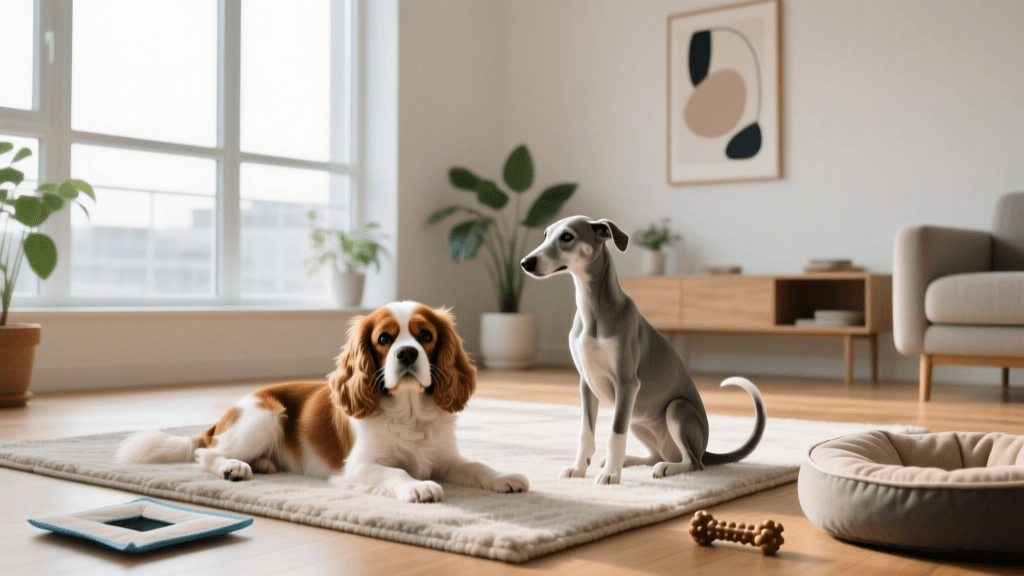
The Cavalier King Charles Spaniel is the ultimate lap warmer for the remote worker. Known for their gentle disposition and low tendency to bark, they are perfectly content sleeping under your desk while you type. During their first year, Cavaliers require moderate exercise—a 20-minute morning walk and an evening play session are usually sufficient. Feeding a Cavalier puppy involves offering about 1/2 to 1 cup of high-quality small-breed puppy kibble, divided into three meals a day until they reach six months of age. Their moderate shedding requires brushing two to three times a week, which can serve as a relaxing screen-time break for you.
2. Havanese
If you want a cheerful co-worker who thrives on companionship but rarely barks without cause, the Havanese is an excellent choice. They are highly adaptable to apartment living and home offices. Havanese puppies go through a notable teething phase around four months of age. To protect your office cables and furniture, keep a KONG Puppy Teething Stick stuffed with frozen peanut butter on hand. They are also highly trainable, making it easier to teach them the 'place' command so they stay on their designated dog bed during your video calls.
3. Bichon Frise
For remote workers with allergies, the hypoallergenic Bichon Frise is a breath of fresh air. Their hair-like coat produces less dander, keeping your home office environment clean. Bichons are playful and affectionate but can be prone to separation anxiety if not trained properly. Since you are working from home, you have the distinct advantage of being present to build their confidence. However, you must practice leaving them in a safe playpen for short intervals to prevent them from becoming overly dependent on your constant physical presence.
4. Japanese Chin
The Japanese Chin is a quiet, cat-like breed that excels in small home offices. They are observant, dignified, and rarely demanding. A Japanese Chin puppy will happily nap on a nearby chair, waking only for short bursts of play. Early socialization is critical for this breed to prevent shyness. Use your lunch breaks to expose your puppy to different household sounds, delivery drivers, and virtual meeting voices to ensure they grow into a confident adult dog.
5. Shih Tzu
Bred specifically for companionship, the Shih Tzu is a sturdy, low-energy breed that doesn't require a massive backyard. They are generally quiet, making them ideal for professionals who spend hours on phone calls. The primary commitment with a Shih Tzu puppy is grooming. You will need to establish a daily brushing routine to prevent matting and schedule professional grooming every six to eight weeks. Their brachycephalic (flat-faced) structure means they are sensitive to heat, so keeping your home office climate-controlled is essential for their comfort.
Comparison Chart: WFH Puppy Breeds at a Glance
| Breed | Bark Level | Energy Level | Space Needed | Grooming Needs |
|---|---|---|---|---|
| Cavalier King Charles Spaniel | Low | Moderate | Small to Medium | Moderate |
| Havanese | Low to Medium | Moderate | Small (Apartment) | High |
| Bichon Frise | Medium | Playful | Small (Apartment) | High |
| Japanese Chin | Very Low | Low | Small (Apartment) | Moderate |
| Shih Tzu | Low | Low | Small (Apartment) | High |
Managing First-Year Milestones on a Remote Schedule
Potty Training and the Pomodoro Technique
Potty training a puppy between 8 and 16 weeks of age requires immense consistency. Remote workers can brilliantly sync potty breaks with the Pomodoro time-management method. Work for 25 minutes, then use your 5-minute break to take the puppy to their designated potty spot (either outdoors or to an indoor real-grass patch like DoggieLawn). Puppies typically need to eliminate 15 to 20 minutes after eating, immediately after waking from a nap, and after vigorous play. By aligning your work sprints with their biological clocks, you minimize indoor accidents and maintain your professional focus.
Surviving the Teething Phase (Months 3 to 6)
Between 12 and 24 weeks, your puppy will lose their baby teeth and develop adult teeth. This is when home office equipment is most at risk. Puppies will chew on baseboards, chair legs, and ethernet cables to soothe their sore gums. Invest in a MidWest Homes for Pets Foldable Metal Exercise Pen (typically around $45 in 2026) to create a secure, chew-proof boundary around your desk when you cannot actively supervise them. Provide approved teething alternatives, such as Nylabone Puppy Chew Toys and frozen carrot sticks, to redirect their chewing instincts safely.
Early Socialization for the Homebound
The critical socialization window closes around 14 to 16 weeks. If you work from home, your puppy might not experience the diverse stimuli they would if they were out in the world with you. The ASPCA emphasizes the importance of positive exposure to new sights, sounds, and surfaces. Dedicate 15 minutes of your afternoon break to 'socialization sessions.' Play recordings of traffic, thunderstorms, and doorbells at low volumes while feeding them high-value treats. Invite colleagues or neighbors over for brief, positive interactions to ensure your puppy learns to be calm and welcoming when guests enter your home office.
Essential Home Office Gear for 2026
To successfully integrate a puppy into your remote work life, leveraging modern pet technology and ergonomic setups is crucial. Here are the top investments for the 2026 home office:
- Fi Series 3 Smart Dog Collar: Priced around $149, this collar tracks your puppy's daily steps and sleep patterns. It alerts your phone if they escape your home office or yard, providing peace of mind while you are deep in a spreadsheet.
- Furbo 360 Dog Camera: This rotating camera allows you to check in on your puppy, toss treats remotely, and use two-way audio to soothe them if they whine during a long conference call.
- Cable Management Sleeves: A simple, inexpensive necessity. Zip-up neoprene cable organizers prevent curious puppy teeth from accessing dangerous electrical wires hidden beneath your standing desk.
- Orthopedic Dog Bed: Brands like Big Barker or FurHaven offer supportive beds that encourage your puppy to settle in a specific corner of the room, reinforcing the 'place' command.
Feeding and Veterinary Care in the First Year
Proper nutrition and preventative healthcare are the foundations of a healthy puppy. According to the American Veterinary Medical Association, adhering to a strict vaccination and deworming schedule is non-negotiable. Expect to visit the vet every three to four weeks until your puppy is 16 weeks old for their core vaccines (DHPP and Rabies). Budget approximately $400 to $600 for first-year veterinary care, excluding spay/neuter procedures. Transitioning from three meals a day to two meals a day should occur around the six-month mark, coinciding with their spay or neuter surgery to prevent excessive weight gain as their metabolism slows.
Conclusion
Bringing a puppy into your home office in 2026 is a deeply rewarding experience that requires preparation, patience, and the right breed match. By choosing a quiet, adaptable breed like the Cavalier King Charles Spaniel or the Japanese Chin, and by structuring your workday around their potty and socialization needs, you can raise a well-adjusted adult dog without compromising your career. Remember that the first year is an investment; the boundaries, routines, and training you establish now will result in a calm, supportive companion for all your future remote work endeavors.
beth-carrasco
All our authors care for dogs every day — read more of their work on the authors page.