Best Dog Breeds for Remote Workers in 2026: WFH Wellness Guide
Discover the best dog breeds for remote workers in 2026. Boost your WFH mental health and find a low-stress, home-office-friendly canine companion.
The 2026 Remote Work Reality: Why Your Dog Choice Impacts Your Health
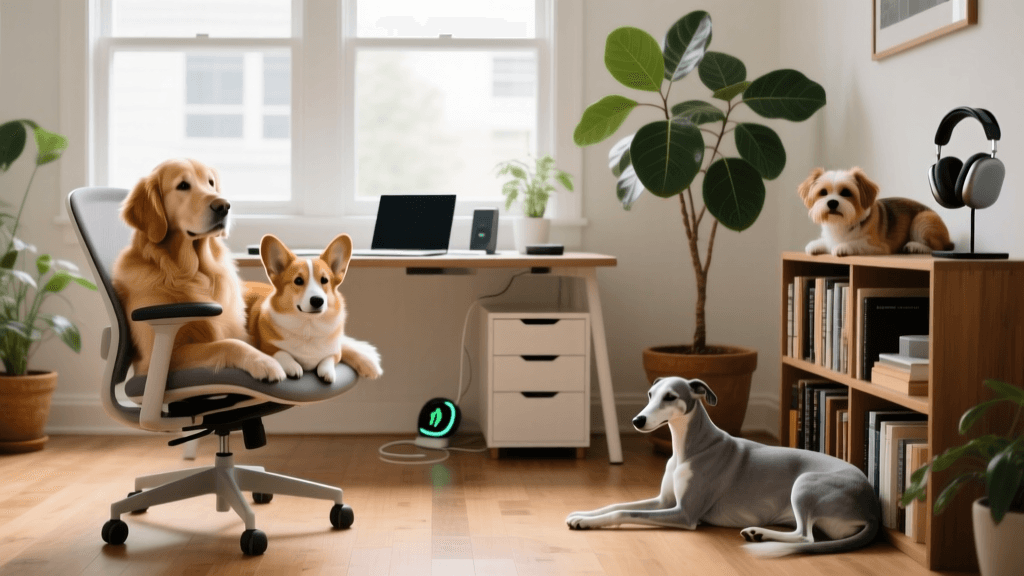
As we navigate the entrenched remote-work landscape of 2026, the home office has evolved from a temporary necessity into a permanent sanctuary for millions of professionals. While working from home offers unparalleled flexibility, it also brings unique health challenges: sedentary behavior, blurred boundaries between work and rest, and profound social isolation. For many, the solution has been canine companionship. However, choosing the wrong breed for a home-office environment can inadvertently spike your cortisol levels, disrupt your focus, and lead to mutual stress for both you and your pet.
From a veterinary and human wellness perspective, the ideal work-from-home (WFH) dog is one that matches your energy levels, respects your need for quiet during virtual meetings, and thrives on a predictable indoor routine. In this comprehensive 2026 guide, we explore the best dog breeds for remote workers, focusing on the intersection of human mental health and canine physical wellbeing.
The Science of WFH Wellbeing and Canine Companionship
The health benefits of sharing your workspace with a dog are backed by extensive clinical research. Interacting with a dog has been shown to significantly lower blood pressure, reduce heart rate, and trigger the release of oxytocin—the brain's primary bonding and stress-relief hormone. According to the Mayo Clinic, pet ownership is strongly linked to decreased symptoms of depression and anxiety, making dogs an invaluable asset for remote workers facing screen fatigue and isolation.
Furthermore, the American Veterinary Medical Association (AVMA) highlights that the human-animal bond encourages healthier daily routines. A dog forces a remote worker to step away from their ergonomic chair, engage in cardiovascular exercise, and experience natural sunlight, all of which are critical for maintaining circadian rhythms and preventing the metabolic slowdown associated with sedentary WFH jobs.
Top 5 Health-Matched Breeds for the Home Office
When selecting a breed for a home-office environment, we must consider both the dog's veterinary needs and the human's need for a calm, low-barking companion. Here are the top five breeds that promote a healthy, balanced WFH lifestyle in 2026.
1. The Greyhound (The Orthopedic Couch Potato)
Despite their reputation as racing athletes, retired Greyhounds are famously known as '45-mph couch potatoes.' They are exceptionally quiet, rarely barking at delivery drones or neighborhood noise, making them perfect for open-mic Zoom calls. From a health perspective, Greyhounds require only a moderate daily walk and a secure sprint in a fenced area. Because they have very low body fat and thin coats, they are prone to feeling cold and developing pressure sores. Investing in a high-quality, heated orthopedic dog bed for under your desk is essential for their joint health and comfort while you work.
2. The Bichon Frise (The Hypoallergenic Co-Worker)
For remote workers operating in modern, energy-efficient, and tightly sealed smart homes, indoor air quality is a major health consideration. The Bichon Frise is a hypoallergenic breed that sheds minimally, reducing dander and keeping your home office environment clean. Mentally, they are cheerful, highly adaptable, and thrive on companionship without being overly demanding. Health-wise, Bichons require diligent dental care, as they are prone to early-onset periodontal disease. A daily teeth-brushing routine can serve as a excellent mindfulness break for the remote worker.
3. The Cavalier King Charles Spaniel (The Empathetic Lap Dog)
Cavaliers are renowned for their deep empathy and ability to sense human stress, often offering physical comfort during high-pressure deadlines. They are content to sleep on your lap or a nearby sofa for hours. However, prospective owners must be aware of the breed's specific veterinary needs. Cavaliers are highly susceptible to Mitral Valve Disease (MVD) and syringomyelia. Sourcing a puppy from a breeder who provides 2026-certified cardiac and neurological clearances is non-negotiable. Regular veterinary echocardiograms will be a staple of their preventative care plan.
4. The Whippet (The Quiet Sprinter)
Similar to the Greyhound but more compact, the Whippet is an incredibly gentle and quiet breed. They are highly attuned to their owner's emotions and provide excellent mental health support without the hyperactivity that disrupts deep-work sessions. Whippets are generally robust and healthy, but their deep chests make them slightly susceptible to bloat (gastric dilatation-volvulus). Feeding them using a slow-feeder bowl and enforcing a rest period after meals are critical preventative measures.
5. The Pug (The Comedic Stress Reliever)
Laughter is a potent stress-reliever, and the Pug's comedic, expressive nature is guaranteed to break the tension of a difficult workday. They are low-energy dogs that require minimal space, making them ideal for apartment-based home offices. However, as a brachycephalic (flat-faced) breed, Pugs require strict climate control. In 2026, veterinary guidelines strongly emphasize keeping Pugs in air-conditioned environments to prevent heatstroke, and using a harness rather than a collar to protect their compromised airways during walks.
High-Drive Breeds to Avoid for High-Stress Remote Jobs
While every dog is an individual, certain breeds are genetically wired for high-intensity work and can severely disrupt a remote worker's mental health if their needs aren't met. Breeds like the Border Collie, Australian Shepherd, and Siberian Husky require hours of intense physical and mental stimulation daily. If you are working an 8-hour shift with back-to-back virtual meetings, these dogs are likely to develop destructive behaviors, excessive vocalization, and severe anxiety. The resulting guilt and stress can lead to rapid owner burnout, negating the mental health benefits of having a pet.
Structuring a Healthy 2026 WFH Routine
A successful human-canine WFH relationship relies on boundaries and routine. Dogs thrive on predictability, and establishing a schedule helps prevent canine anxiety while ensuring the human takes necessary ergonomic breaks. Below is an optimized daily routine designed for mutual wellbeing.
| Time | Activity | Health & Wellbeing Benefit |
|---|---|---|
| 7:00 AM | Morning Walk & Sniffari | Boosts human vitamin D; provides canine mental enrichment. |
| 9:00 AM | Work Block 1 (Dog on orthopedic bed) | Promotes human focus; supports canine joint health. |
| 12:00 PM | Lunch & 15-Minute Fetch/Tug Session | Breaks human sedentary streak; burns canine physical energy. |
| 3:00 PM | Canine Enrichment (Lick mat or puzzle toy) | Reduces canine boredom; allows human uninterrupted deep work. |
| 5:30 PM | Evening Walk & Boundary Setting | Signals end of workday for human; fulfills canine exercise needs. |
Managing Separation Anxiety When You Leave the Home Office
One of the most pressing behavioral health issues for WFH dogs is separation anxiety. When your dog is accustomed to your presence 24/7, the occasional trip to a corporate headquarters, an in-person networking event, or a dinner out can trigger severe panic. The ASPCA notes that dogs with separation anxiety exhibit destructive behavior, excessive drooling, and frantic escape attempts when left alone.
To protect your dog's mental health, you must proactively practice 'absence training.' Even if you work from home every day, leave the house for 30 to 60 minutes at least three times a week. Use modern 2026 smart-home cameras and treat-dispensing devices to monitor your dog's stress levels and reward calm behavior remotely. Providing a safe, confined space with an article of your worn clothing can also provide olfactory comfort while you are away.
Conclusion: Prioritizing Mutual Wellbeing
Choosing a dog as a remote worker is a profound commitment to mutual health and happiness. By selecting a breed that aligns with your home-office environment—such as the quiet Greyhound, the hypoallergenic Bichon, or the empathetic Cavalier—you create a sanctuary that fosters productivity and emotional resilience. Remember that the goal is not just to find a dog that tolerates your work schedule, but to build a lifestyle where both you and your canine companion can thrive physically and mentally in the years to come.
hannah-wickes
All our authors care for dogs every day — read more of their work on the authors page.