Decoding Canine Pain Signals: Whistle Health 2026 Guide
Learn to decode subtle canine pain signals in 2026. Discover how Whistle Health and Fi Series 4 smart collars track vitals to detect early discomfort.
The Silent Struggle: Why Dogs Mask Their Pain
As dog owners, we often believe we know our pets better than anyone else. However, when it comes to pain and discomfort, dogs are evolutionary masters of disguise. In the wild, showing weakness could make a canine a target for predators or cause them to be ostracized from their pack. While our domesticated dogs no longer face these exact threats, the instinct to mask pain remains deeply ingrained in their DNA. According to the American Veterinary Medical Association (AVMA), recognizing pain in dogs requires a keen eye for subtle behavioral shifts rather than waiting for obvious signs like limping or whimpering.
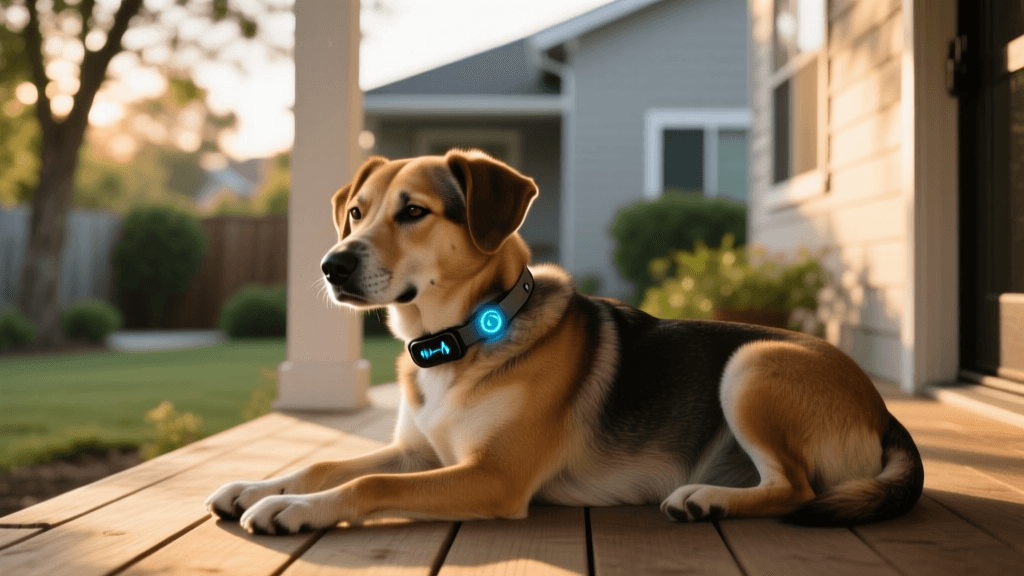
In 2026, the intersection of advanced canine communication science and wearable technology has revolutionized how we monitor our dogs' wellbeing. By combining observational body language decoding with the biometric tracking capabilities of modern smart collars like the Whistle Health and Fi Series 4, pet owners can now identify osteoarthritis, dental disease, and internal discomfort weeks or even months before traditional symptoms appear.
7 Subtle Canine Pain Signals You Must Recognize
Canine communication is complex. Dogs use a combination of facial expressions, ear positioning, tail carriage, and micro-behaviors to signal distress. Below is a comprehensive breakdown of the most commonly missed pain signals.
| Signal Name | Physical Manifestation | Common Misinterpretation | Potential Underlying Issue |
|---|---|---|---|
| Whale Eye | Showing the whites of the eyes while looking away | Alertness or curiosity | Joint pain, neck stiffness, or anxiety |
| Excessive Lip Licking | Rapid tongue flicks over the nose or lips | Hunger or anticipating a treat | Nausea, dental pain, or gastrointestinal distress |
| Non-Thermal Panting | Shallow, rapid breathing in a cool environment | Excitement or post-exercise recovery | Acute pain, stress, or cardiovascular issues |
| Shaking or Trembling | Subtle muscle tremors, especially in the hind legs | Being cold or excited | Musculoskeletal pain, neurological issues, or toxin exposure |
| Decreased Grooming | Coat becomes unkempt, especially around the hindquarters | Laziness or aging | Spinal pain, hip dysplasia, or severe arthritis |
| Vocalization Changes | Grumbling when picked up or sighing heavily when lying down | Normal vocal personality or contentment | Abdominal pain, thoracic discomfort, or joint inflammation |
| Postural Shifts | Hunched back, tucked tail, or 'prayer' stretching | Play bowing or resting | Abdominal pain (pancreatitis), spinal disc disease |
Leveraging 2026 Smart Collars for Early Detection
While observing these physical signals is crucial, human observation is limited to the hours we spend awake and present with our dogs. This is where 2026's advanced wearable technology bridges the gap. The WSAVA Global Pain Council emphasizes that continuous monitoring of vital signs is the gold standard for early pain detection. Modern smart collars now track metrics that directly correlate with physiological stress and pain responses.
Resting Heart Rate (RHR) and Respiratory Rate (RR)
When a dog is in pain, their sympathetic nervous system activates, causing an elevation in both heart rate and breathing rate, even during sleep. The 2026 iterations of the Whistle Health and Fi Series 4 collars utilize advanced photoplethysmography (PPG) and piezoelectric sensors to measure RHR and RR with veterinary-grade accuracy. A sudden spike in your dog's sleeping respiratory rate from a baseline of 18 breaths per minute to 28 breaths per minute is a massive red flag for pain or cardiopulmonary distress, often preceding physical limping by several days.
Sleep Architecture and Scratch Tracking
Pain disrupts the circadian rhythm. If your dog is suffering from early-stage osteoarthritis, they will experience micro-arousals during the night as they struggle to find a comfortable position. Whistle Health's 2026 algorithm specifically tracks 'Restless Sleep' versus 'Deep Sleep', providing a daily sleep quality score. Additionally, localized scratching or licking (tracked via accelerometer motion data) can pinpoint dermatological pain or localized joint inflammation.
Comparison Chart: Top 2026 Smart Collars for Pain Tracking
Choosing the right device is essential for accurate biometric tracking. Here is how the leading 2026 models compare for health and pain signal monitoring.
| Feature | Whistle Health (2026 Pro) | Fi Series 4 | PetPace Smart Collar |
|---|---|---|---|
| Primary Vitals Tracked | RHR, RR, Sleep Quality, Activity, Calories | Steps, Sleep Stages, GPS, Activity Zones | Temperature, Pulse, Respiration, HRV, Posture |
| Pain Detection Capability | High (via RR/RHR spikes & sleep disruption) | Moderate (via activity drops & sleep shifts) | Very High (clinical-grade HRV & posture tracking) |
| Battery Life | Up to 14 Days | Up to 3 Months | Up to 7 Days |
| Hardware Cost (2026) | $129.95 | $149.00 | $199.95 |
| Monthly Subscription | $8.25 / month | $8.33 / month | $12.50 / month |
Actionable Protocol: What to Do When Signals Align
When you notice a physical calming signal or pain indicator AND your smart collar app alerts you to a vital sign anomaly, you must act methodically.
- Document the Behavior: Note the exact time, duration, and context of the physical signal (e.g., 'Whale eye and lip licking when reaching for the food bowl at 7:00 AM').
- Pull the Biometric Data: Open your Whistle or Fi app and check the RHR and RR trends for the past 48 hours. Export this data as a PDF report.
- Schedule a Veterinary Consult: Do not wait for the dog to become lame or stop eating. Book an appointment and provide your vet with both your observational notes and the exported collar data. This dual-layered evidence allows veterinarians to target specific diagnostic imaging (like X-rays of the cervical spine if eating causes distress).
- Implement Immediate Environmental Modifications: While awaiting your vet visit, alter your dog's environment to reduce strain.
Environmental and Holistic Support for Canine Discomfort
Once pain is suspected or diagnosed, modifying your dog's environment can drastically improve their quality of life and reduce stress signals.
Orthopedic and Temperature-Regulating Beds
For dogs exhibiting postural shifts or sleep disruptions due to joint pain, standard bedding is insufficient. The 2026 Big Barker Cooling Orthopedic Dog Bed features a proprietary open-cell foam that prevents heat trapping, combined with a therapeutic topography that relieves pressure points on the hips and shoulders. Priced around $289, it is an investment that directly correlates with improved deep sleep metrics on smart collars.
Pheromone Therapy for Pain-Induced Anxiety
Chronic pain causes chronic stress. Dogs displaying excessive lip licking and non-thermal panting are often experiencing secondary anxiety. Using an Adaptil Calm Home Diffuser (approximately $35 for a 48-day refill) releases synthetic dog-appeasing pheromones that clinically lower cortisol levels, helping the dog's nervous system down-regulate while you work with your vet on a pain management protocol.
Targeted Joint Supplements
If your vet confirms early osteoarthritis, integrating a high-quality nutraceutical is vital. In 2026, formulations like Dasuquin Advanced with ESO or GlycoFlex Plus remain the gold standard, providing bioavailable glucosamine, chondroitin, and omega-3 fatty acids to support cartilage matrix health and reduce systemic inflammation.
Pain is often considered the fifth vital sign in veterinary medicine, yet it remains the most underreported metric by pet owners. Continuous, at-home monitoring combined with behavioral awareness is the key to early intervention.
— World Small Animal Veterinary Association (WSAVA) Global Pain Council
Conclusion
Decoding canine pain signals requires a shift from reactive observation to proactive monitoring. By understanding the subtle physical cues your dog exhibits—like whale eye, non-thermal panting, and postural shifts—and pairing that knowledge with the biometric insights provided by 2026's advanced Whistle Health and Fi Series 4 smart collars, you can catch discomfort before it becomes debilitating. Remember, your dog relies on you to be their voice. Stay vigilant, leverage modern technology, and ensure your companion lives their healthiest, most comfortable life possible.
robin-maitland
All our authors care for dogs every day — read more of their work on the authors page.