Best Puppy Breeds For Remote Workers In 2026: WFH Guide
Discover the best puppy breeds for remote workers in 2026. Learn the psychology of WFH dogs, manage velcro instincts, and boost home-office productivity.
The Psychology of the Work-From-Home Puppy
As we settle into the permanent hybrid and remote work landscape of 2026, the home office has evolved from a temporary desk setup into a shared living space for both humans and their canine companions. While the idea of a puppy sleeping under your desk during Zoom calls sounds idyllic, the reality of canine psychology and breed instincts often tells a different story. Not every dog is wired to handle the unique environment of a remote worker. Understanding your dog means looking beyond their cute puppy faces and diving deep into their evolutionary history, instinctual drives, and social needs.
When you work from home, you are present for 8 to 10 hours a day, but you are not always available. This creates a unique psychological dynamic. Dogs with high herding instincts may view your pacing during phone calls as a flock that needs to be managed, leading to ankle-nipping. Conversely, highly social companion breeds may develop severe 'velcro dog' syndrome, becoming so accustomed to your constant presence that a simple trip to the grocery store triggers intense separation anxiety. According to the Humane Society's WFH Pet Tips, establishing boundaries and choosing a breed that matches your work style are the most critical steps for a harmonious home office.
Best Puppy Breeds for Remote Workers in 2026
To thrive in a remote work environment, a puppy needs a balance of companionship and independence. They must be content resting nearby without demanding constant interaction, and they must possess an 'off-switch' that allows you to focus on deep work. Here are the top breeds that align perfectly with the psychology of the modern remote worker.
1. Cavalier King Charles Spaniel: The Desk Companion
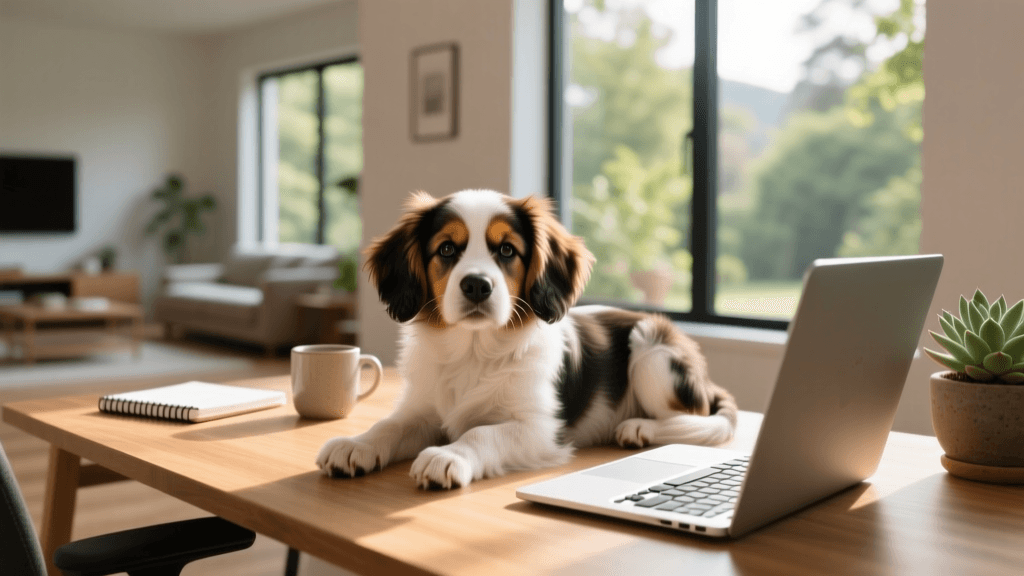
Bred for centuries specifically to be royal lap warmers and companions, the Cavalier King Charles Spaniel is the quintessential work-from-home dog. Their psychological drive is entirely focused on proximity to their human, but unlike high-anxiety breeds, they are generally content to simply exist in your presence without demanding active play. A Cavalier will happily curl up on a heated orthopedic bed beneath your desk for hours, offering occasional sighs of contentment. They are highly attuned to your emotional state, providing silent, calming support during stressful virtual meetings without barking or interrupting your workflow.
2. Basset Hound: The Under-Desk Sleeper
If your work requires intense, unbroken concentration, the Basset Hound is a masterclass in low-arousal companionship. As scent hounds, their instincts are driven by their noses rather than a need for constant kinetic movement. Indoors, they are famously lethargic and stubborn, preferring to conserve energy. A Basset Hound puppy will require a solid morning sniffari to satisfy their olfactory needs, after which they will happily transform into a heavy, snoring rug under your standing desk. Their independent nature means they rarely suffer from the intense velcro-dog anxiety that plagues more needy breeds when you step away for lunch.
3. Shiba Inu: The Independent Roommate
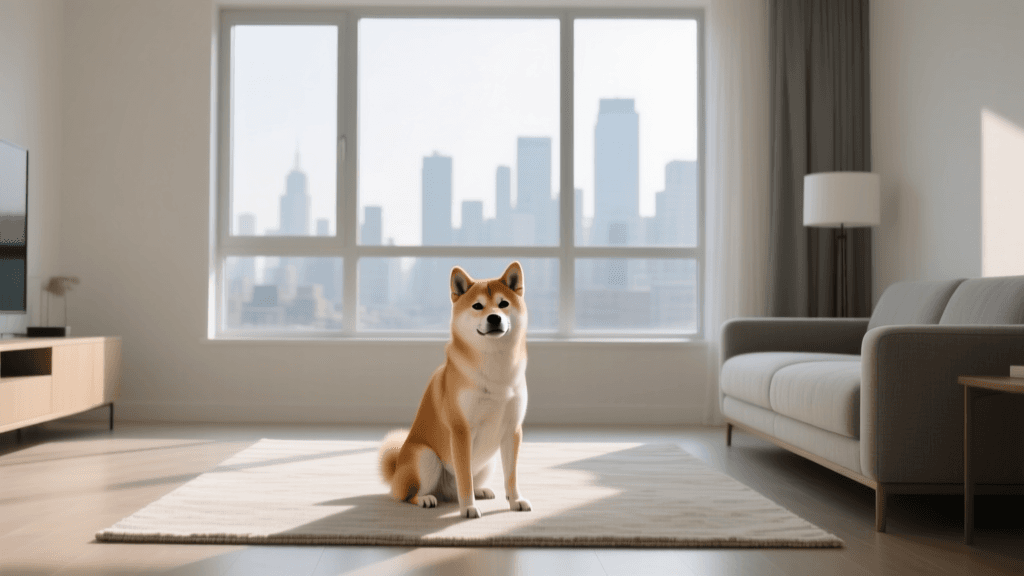
For remote workers who prefer a pet that acts more like a feline roommate, the Shiba Inu is an excellent choice. Originating from Japan, this ancient spitz breed is renowned for its fastidious cleanliness, quiet demeanor, and fierce independence. Psychologically, Shibas do not possess the 'people-pleasing' drive of retrievers or spaniels. They are perfectly happy to sleep in a sunbeam across the room while you work, requiring affection only on their own terms. This makes them ideal for professionals who cannot tolerate a dog nudging their elbow for pets during a critical coding session or writing sprint.
4. Italian Greyhound: The Sensitive Observer
Often described as a '45-mph couch potato,' the Italian Greyhound (and their larger cousin, the standard Greyhound) is a sighthound that thrives on comfort and warmth. While they require a brief, explosive sprint in a secure area or a flirt-pole session in the morning, their indoor energy levels are remarkably low. They are highly sensitive dogs that bond deeply with their owners but express this bond through quiet observation and physical closeness rather than vocal demands. An Italian Greyhound will likely insist on burrowing under a blanket on your office sofa, remaining entirely silent throughout your workday.
WFH Puppy Comparison Chart
Choosing the right breed requires matching their instinctual traits to your specific work environment. Use the table below to compare the top WFH breeds based on their psychological profiles and daily needs.
| Breed | Instinctual Drive | WFH Suitability | Separation Risk | Daily Exercise Need |
|---|---|---|---|---|
| Cavalier King Charles | Companionship / Proximity | Excellent (Quiet, affectionate) | Moderate to High | Low (30 mins) |
| Basset Hound | Scent Tracking / Low Arousal | Excellent (Sleeps heavily) | Low | Low to Moderate (45 mins sniffing) |
| Shiba Inu | Independent / Spitz | Great (For deep-focus workers) | Low | Moderate (1 hour) |
| Italian Greyhound | Sighthound / Warmth-seeking | Great (Silent, sensitive) | Moderate | Moderate (Sprint + rest) |
| Border Collie (Avoid) | Herding / High Kinetic | Poor (Will herd pacing feet) | High | Very High (2+ hours mental/physical) |
Managing Velcro Dog Syndrome and Separation Anxiety
One of the most significant psychological challenges for remote workers in 2026 is the inadvertent creation of separation anxiety. When a puppy is raised in an environment where their human never leaves, they fail to develop the coping mechanisms required for solitude. The ASPCA's guide on Separation Anxiety notes that dogs exhibiting velcro tendencies often panic when the routine is inevitably broken, leading to destructive behavior and excessive vocalization.
To combat this, you must artificially engineer absences. Even if you work from home every day, use baby gates to separate yourself from your puppy for 30-minute blocks. Practice your 'leaving routine'—putting on your shoes, jingling your keys, and picking up your bag—without actually leaving the house. This desensitizes the puppy to the environmental cues that typically trigger anxiety spikes, ensuring that when you do need to return to a corporate office or attend an off-site meeting, your dog remains psychologically grounded.
Essential 2026 Home Office Setup and Training
Understanding your dog's need for a defined 'job' or space is crucial for home office harmony. The most effective behavioral tool for remote workers is the 'Place' command. By teaching your puppy to settle on a specific raised cot, such as a Kuranda bed, you give them a psychological boundary. The AKC's Place Command Training resources emphasize that a raised bed provides a clear physical distinction between 'work time' and 'play time,' helping the dog understand that when they are on the cot, they are expected to rest.
Furthermore, leveraging 2026's smart home technology can bridge the gap between your work focus and your dog's needs. AI-driven pet cameras like the Furbo 360 or Eufy Pet Smart Camera now feature advanced bark analysis and automated treat-tossing games. These devices can detect the specific acoustic signature of a bored whine versus an alert bark, allowing you to dispense a treat or trigger a calming audio cue without breaking your concentration on a spreadsheet. Pairing these tools with a breed that naturally possesses an 'off-switch' ensures that your home office remains a sanctuary of productivity and companionship.
Conclusion
The best puppy breeds for remote workers are those that understand the assignment: be present, but be peaceful. By respecting canine psychology, avoiding high-drive herding breeds, and implementing structured independence training, you can cultivate a deeply rewarding bond with your dog without sacrificing your professional output. In 2026, the most successful remote workers are those who realize that a quiet, well-adjusted dog is the ultimate home office upgrade.
beth-carrasco
All our authors care for dogs every day — read more of their work on the authors page.