Best Teething Toys for Puppy Bite Training in 2026
Discover the best teething toys for puppy bite inhibition training. Learn how to redirect chewing and save your furniture with our top expert picks.
The Evolution of Puppy Teething Training: Moving Past Older Guides
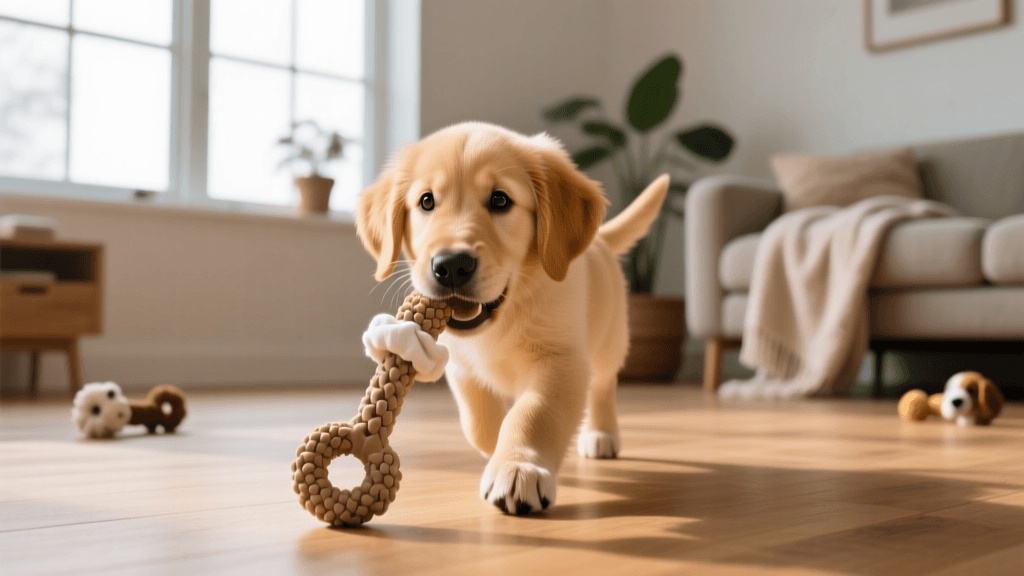
When bringing a new puppy home, many owners instinctively search for older guides, such as the classic "best teething toy 2024" lists, to find relief for their puppy's sore gums. However, as we move through 2026, the landscape of canine behavioral conditioning has evolved significantly. Modern dog training no longer views teething toys merely as passive distractions. Instead, certified professional dog trainers (CPDTs) and veterinary behaviorists now utilize teething toys as active tools for bite inhibition training, impulse control, and crate conditioning.
Puppies typically begin teething around three to four weeks of age, with the most intense chewing phases occurring between three and six months. During this window, the urge to chew is not just a behavioral quirk; it is a biological imperative. According to the American Society for the Prevention of Cruelty to Animals (ASPCA), chewing is a natural behavior that helps dogs explore their environment, keep their jaws strong, and clean their teeth. The training challenge lies in redirecting this natural instinct away from your baseboards and hands, and toward appropriate, enriching outlets.
Why 2026's Top Training Toys Focus on Enrichment
In the past, a simple rubber bone was considered sufficient. Today, the best teething toys for training are designed with cognitive enrichment in mind. Enrichment-based teething toys require the puppy to work for their reward, which tires out their brain and reduces the hyperactive biting behaviors that often accompany the teething phase. By integrating food-dispensing mechanisms and varied textures, these toys transform a painful developmental stage into a prime opportunity for obedience training.
Top 4 Teething Toys for Bite Inhibition and Redirect Training
1. KONG Puppy Classic: The Gold Standard for Redirect Training
The KONG Puppy Classic remains the undisputed champion of redirect training. Made from a proprietary, ultra-soft rubber formula specifically designed for developing puppy teeth, it provides the perfect amount of give to soothe sore gums without damaging emerging adult teeth. From a training perspective, the KONG is invaluable for teaching "settle" and "place" commands. By stuffing the toy with a mixture of puppy-safe peanut butter and kibble, and then freezing it, you create a long-lasting enrichment activity that keeps the puppy anchored to their mat or crate.
Training Application: Use the frozen KONG exclusively during crate training or when guests arrive to prevent jumping and nipping. The cold temperature numbs the gums, while the mental effort of extracting the food lowers the puppy's arousal levels.
2. West Paw Zogoflex Toppl: Best for Puzzle-Based Chewing
West Paw's Zogoflex Toppl has gained massive popularity among positive reinforcement trainers. Unlike traditional bone shapes, the Toppl features a unique, cup-like design with inner ridges that trap treats. The Zogoflex material is incredibly durable yet gentle on puppy mouths. What makes it a standout training tool in 2026 is its interlocking capability; you can connect a small and large Toppl to create a complex puzzle that requires advanced problem-solving.
Training Application: The Toppl is excellent for teaching the "drop it" command. Because the toy is highly valued by the puppy, it serves as a high-value trade item. Offer a piece of high-value meat in exchange for the Toppl to build a positive association with releasing items from their mouth.
3. Nylabone Puppy Power Chew Freezer Toy: Best for Numbing Relief
For heavy chewers who are experiencing severe gum inflammation, the Nylabone Puppy Power Chew Freezer Toy offers targeted relief. This toy features a textured rubber outer ring that can be soaked in water and frozen, combined with a softer central chew zone. The varied textures help clean teeth and massage gums simultaneously. It is important to note that this toy should be used under supervision as part of a structured chew-time routine, rather than left as an all-day pacifier.
Training Application: Use this toy to establish a "chew time" routine. By offering this toy only during specific, high-stress periods (like post-playtime wind-downs), you condition the puppy to self-soothe using appropriate items rather than seeking out destructive alternatives.
4. Benebone Puppy Wishbone: Best for Ergonomic Grip Training
The Benebone Puppy Wishbone is engineered with a patented ergonomic design that allows puppies to easily grasp the toy with their paws. This is crucial for puppies who are still developing their motor skills and often become frustrated when they cannot hold onto their chew toys. Infused with real bacon flavor throughout the nylon material, it naturally attracts the puppy's attention away from household items.
Training Application: The Wishbone is ideal for "leave it" training. Place a less appealing item on the floor and hold the Benebone. When the puppy looks away from the forbidden item and toward the Wishbone, mark the behavior with a "yes" and reward them with the toy. This builds impulse control.
Comparison Chart: Matching the Toy to the Training Goal
| Toy Name | Material | Best Training Application | Enrichment Level |
|---|---|---|---|
| KONG Puppy Classic | Soft Rubber | Crate training, "settle" command | High (when stuffed/frozen) |
| West Paw Toppl | Zogoflex Elastomer | "Drop it" trades, puzzle solving | Very High |
| Nylabone Freezer Toy | Rubber/Nylon Blend | Self-soothing, wind-down routines | Medium |
| Benebone Puppy Wishbone | Bacon-Infused Nylon | "Leave it" impulse control | Low (Passive chewing) |
Step-by-Step: How to Train "Drop It" Using Teething Toys
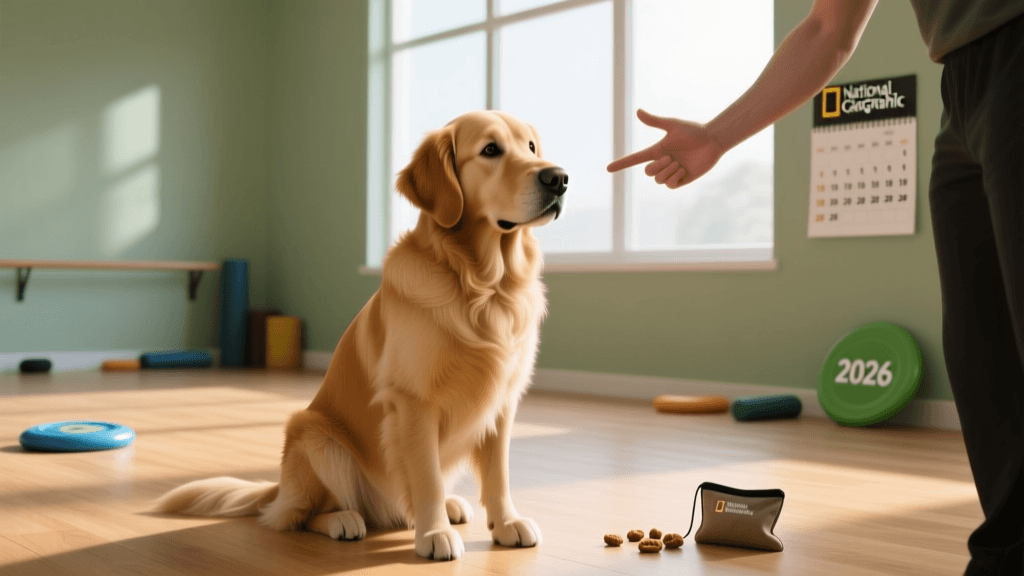
Teaching a reliable "drop it" command is one of the most critical safety skills your puppy will learn. The American Kennel Club (AKC) emphasizes that bite inhibition and release commands are foundational for a well-adjusted adult dog. Here is how to use your new teething toys to master this skill:
- Initiate Play: Offer your puppy the West Paw Toppl or KONG. Allow them to chew on it for a few moments so they assign value to the item.
- Present the Trade: Bring a high-value treat (like a small piece of boiled chicken or freeze-dried liver) directly to your puppy's nose. The scent should be compelling enough to make them open their mouth.
- Mark and Reward: The exact second the toy drops from their mouth, say your marker word ("Yes!" or click a clicker) and give them the treat.
- Return the Toy: Once they eat the treat, enthusiastically offer the teething toy back to them. This teaches the puppy that giving up an item doesn't mean losing it forever, which reduces resource guarding.
- Add the Verbal Cue: After repeating this process 10 to 15 times, introduce the verbal cue "Drop it" right before you present the treat.
Patience is vital during this process. Puppies in the peak teething phase (around 14 to 16 weeks) are experiencing significant oral discomfort, which can make them more irritable and less focused. Keep training sessions short—no more than 5 to 10 minutes—and always end on a positive note. If your puppy becomes overly frustrated with a puzzle toy like the Toppl, step in and help them release the treat so they do not develop negative associations with enrichment activities.
Common Puppy Teething Training Mistakes to Avoid
Even with the best toys, training can derail if owners fall into common behavioral traps. Avoid these mistakes to ensure success:
- Punishing the Chew: Scolding a puppy for chewing on a shoe does not teach them what to chew; it only teaches them to hide when they chew. Always redirect to an appropriate toy and praise heavily.
- Leaving Toys Out 24/7: If all teething toys are constantly available, they lose their novelty and value. Rotate toys weekly and reserve the highest-value enrichment toys (like frozen KONGs) exclusively for training sessions or crate time.
- Using Hands as Toys: Never wrestle with your puppy using your bare hands. This confuses the puppy regarding bite inhibition. If teeth touch skin, let out a high-pitched "ouch," immediately withdraw attention for 10 seconds, and then redirect them to a Benebone or Nylabone.
- Ignoring Size and Weight Guidelines: Always select a teething toy that is appropriately sized for your puppy's current weight and breed. A toy that is too small poses a severe choking hazard, while a toy that is too large and heavy can cause micro-fractures in developing teeth or strain the jaw joint. Check the manufacturer's 2026 sizing charts before purchasing.
Final Thoughts on 2026 Puppy Training
Upgrading your approach from outdated lists to modern, enrichment-focused training methodologies will save your belongings and build a stronger bond with your dog. By strategically utilizing the KONG Puppy Classic, West Paw Toppl, Nylabone Freezer Toy, and Benebone Wishbone, you are not just soothing sore gums—you are actively shaping a polite, well-mannered companion. Consistency, patience, and the right tools are the keys to surviving the teething phase and thriving in your obedience training journey.
hannah-wickes
All our authors care for dogs every day — read more of their work on the authors page.