Top Dog Breeds for Remote Workers in 2026: WFH Guide
Discover the best dog breeds for remote workers in 2026. Learn which low-bark, independent breeds thrive in home offices and boost WFH productivity.
The Evolution of the Work-From-Home Dog in 2026
As we navigate the permanent hybrid and remote work landscape of 2026, the home office has transformed from a makeshift desk in the corner to a dedicated, optimized workspace. With millions of professionals permanently working from home, the desire for canine companionship has never been higher. However, not every dog is suited for the unique environment of a home office. The sudden shift from a quiet house to one filled with Zoom calls, virtual presentations, and delivery notifications requires a specific type of canine temperament.
Finding the best dog breeds for remote workers is not simply about finding a 'lazy' dog. It is about understanding canine psychology, specifically the 'settle instinct,' environmental reactivity, and independence. A dog that thrives in a home office environment must possess the emotional regulation to remain calm when the doorbell rings and the independence to entertain themselves during deep-work sessions. According to the American Kennel Club breed standards, understanding a breed's historical purpose is the key to predicting their modern workplace compatibility.
The Canine Psychology of the Home Office
Before diving into specific breeds, it is crucial to understand the behavioral traits that make a dog an ideal WFH (Work From Home) companion. Dogs are highly attuned to human stress levels and environmental shifts. In a home office, you are introducing a unique set of stimuli: the sound of typing, the sudden voices of colleagues through speakers, and the frequent comings and goings of delivery drivers.
Key Behavioral Traits for WFH Dogs:
- High Settle Threshold: The ability to transition from an active state to a resting state quickly. Dogs with a high settle threshold can easily 'turn off' and sleep under your desk while you work.
- Low Environmental Reactivity: Breeds that were historically bred to be hyper-vigilant (like many herding or guardian breeds) may find the constant stimuli of a suburban home office overstimulating, leading to excessive barking at passing cars or delivery drones.
- Independence vs. Velcro Behavior: While companionship is the goal, a 'velcro' dog that demands constant physical contact can be distracting during focused tasks. Independent breeds that are content simply being in the same room are often preferable.
Behavioral experts note that a dog's ability to mirror the calm energy of their owner is paramount in a shared workspace. If your job is high-stress, you need a breed that provides silent comfort rather than one that amplifies the room's anxiety.
Top 5 Dog Breeds for Remote Workers in 2026
Based on behavioral profiles, energy levels, and vocalization tendencies, here are the top five breeds that excel in the modern remote work environment.
1. The Greyhound: The 45-MPH Couch Potato
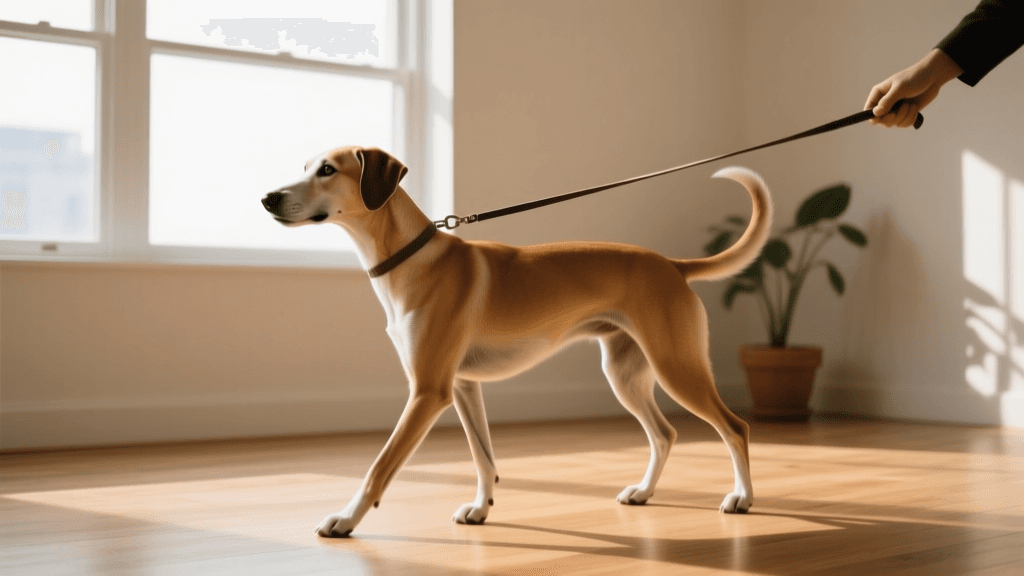
Despite their reputation as elite racers, Greyhounds are famously lethargic indoors. They are sprinters, not endurance athletes, meaning a brisk 20-minute morning walk is usually sufficient to meet their exercise needs. Once back in the home office, a Greyhound's primary goal is to find a soft surface and sleep for the next eight hours. Their low bark frequency and gentle, non-demanding nature make them the ultimate silent coworkers. Budget around $150 for a high-quality orthopedic bed, as their low body fat requires extra cushioning for long desk hours.
2. The Basset Hound: The Stubborn but Silent Partner
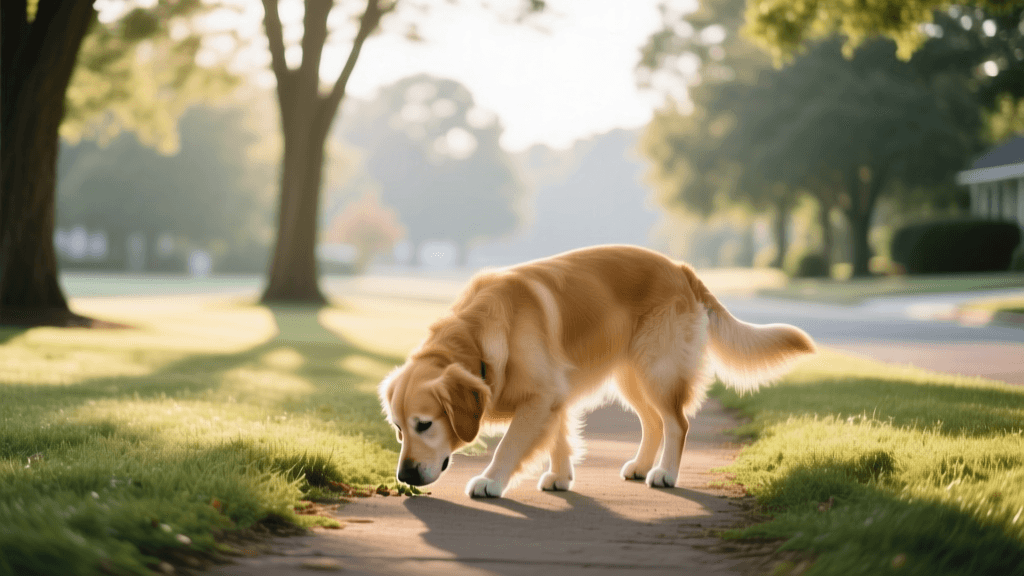
Basset Hounds are scent hounds with a remarkably low energy level indoors. They are incredibly stubborn, which in a WFH context is actually a benefit; they are far more interested in following a scent trail in the yard than they are in interrupting your virtual meetings. They are generally quiet dogs, reserving their deep, booming barks only for moments of extreme excitement. Their heavy-boned structure means they are perfectly happy lounging under your desk all day.
3. The Shiba Inu: The Independent Feline-Canine
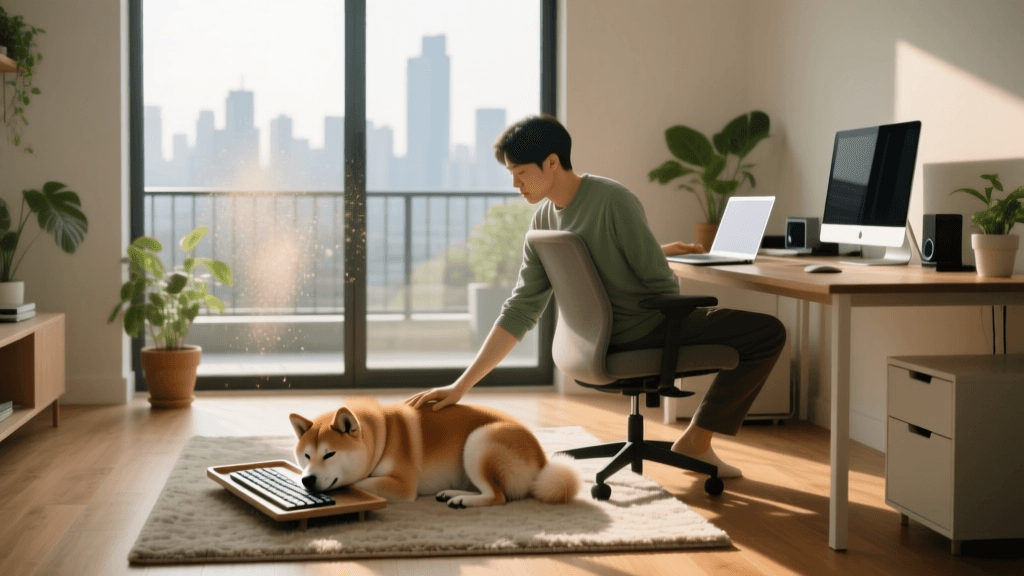
For remote workers who need long stretches of uninterrupted deep work, the Shiba Inu is a top-tier choice. Shibas are famously independent, often described as cat-like in their demeanor. They do not typically demand constant lap time or physical reassurance. A Shiba will happily sleep in a sunbeam across the room, providing the comforting presence of a pet without the distraction of a needy one. Early socialization is key, as noted by the ASPCA dog care guidelines, to ensure their aloofness doesn't turn into reactivity.
4. The Cavalier King Charles Spaniel: The Empathic Healer
If your remote job involves high-stress negotiations or emotional labor, the Cavalier King Charles Spaniel is the ideal companion. They are highly empathic and excel at reading human body language. Unlike high-energy spaniels, the Cavalier has a moderate energy level and a profound 'settle' instinct. They will sense when you are stressed and quietly rest their head on your foot, offering grounding physical contact without demanding active play.
5. The Whippet: The Sensitive Shadow
Similar to the Greyhound but slightly more compact, the Whippet is an incredibly sensitive and quiet breed. They are highly attuned to their owner's emotional state and thrive in calm, quiet home offices. Whippets are notoriously silent; they rarely bark without a profound reason. Their short coat and low shedding make them excellent for keeping a clean home office environment, and their compact size fits perfectly into smaller apartment workspaces.
WFH Breed Compatibility Comparison Chart
The following table breaks down the behavioral metrics of these top breeds to help you decide which fits your specific work style and home environment.
| Breed | Bark Frequency | Independence Level | Indoor Energy | WFH Compatibility Score |
|---|---|---|---|---|
| Greyhound | Very Low | Moderate | Very Low | 9.5/10 |
| Basset Hound | Low | High | Low | 8.5/10 |
| Shiba Inu | Low | Very High | Moderate | 8.0/10 |
| Cavalier Spaniel | Low | Low (Velcro) | Low | 9.0/10 |
| Whippet | Very Low | Moderate | Very Low | 9.5/10 |
Actionable Advice: Training Your Dog for the 2026 Home Office
Even the most naturally suited breed requires training to adapt to the rhythms of your workday. Here are practical, actionable steps to ensure your dog remains a helpful companion rather than a workplace distraction.
Master the 'Place' Command
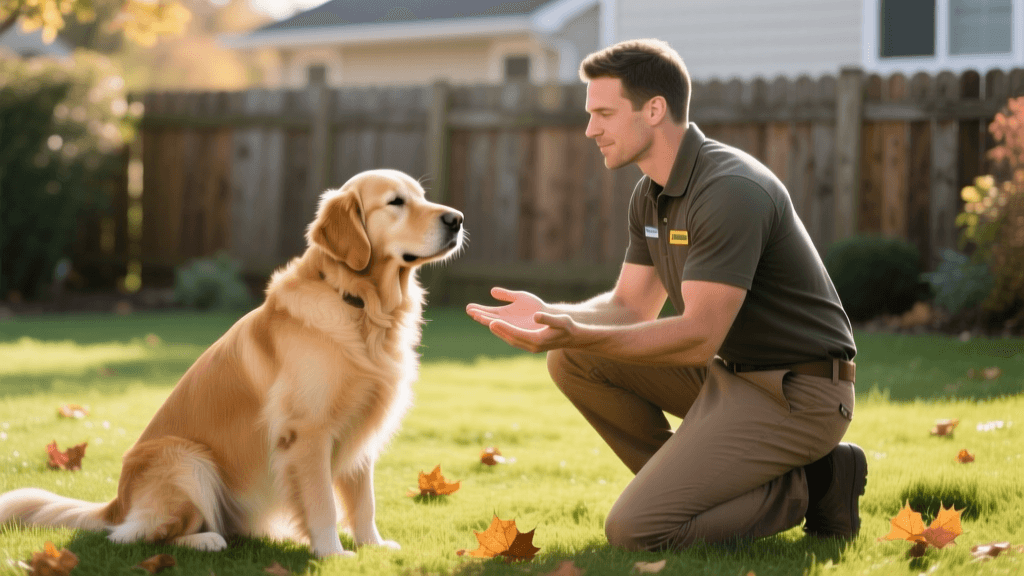
The 'Place' command is the single most valuable tool for a remote worker. This command teaches your dog to go to a specific mat or bed and stay there until released. Invest 15 minutes daily in training this behavior. Start by luring them onto an elevated cot or specific rug with high-value treats. Gradually increase the duration. By the time your dog has mastered this, you can issue the 'Place' command right before you unmute your microphone for a client call, ensuring they remain quietly in their designated zone, out of the camera frame.
Manage Smart Home Triggers and Delivery Notifications
In 2026, smart doorbells and automated delivery notifications are a primary source of canine reactivity. The sudden chime of a doorbell can trigger a barking frenzy that ruins a recording or meeting. To combat this, access your smart home app (such as Ring or Nest) and disable the audible indoor chime. Route all doorbell notifications exclusively to your smartphone or smartwatch as a silent haptic vibration. This allows you to know when a package arrives without triggering your dog's territorial instincts.
Implement Automated Enrichment for Deep Work Blocks
When you need two hours of uninterrupted focus, physical exercise isn't enough; you must provide mental fatigue. Utilize modern smart puzzle feeders or automated treat-dispensing cameras. These devices can be scheduled via smartphone apps to release small kibble rewards at randomized intervals, keeping your dog engaged in a quiet, scent-based activity. According to the Humane Society behavioral resources, mental enrichment through scent work and puzzle-solving tires a dog out just as effectively as a long walk, promoting the deep sleep required for a peaceful workday.
Conclusion
Choosing the best dog breed for remote work in 2026 requires looking beyond aesthetics and focusing deeply on behavioral compatibility. By prioritizing breeds with a high settle threshold, low environmental reactivity, and an independent yet affectionate nature, you can create a harmonious home office. Whether you choose the silent elegance of a Greyhound or the empathic comfort of a Cavalier, proper training and environmental management will ensure your canine companion boosts your productivity and brings joy to your daily WFH routine.
robin-maitland
All our authors care for dogs every day — read more of their work on the authors page.