Top Orthopedic Dog Beds for Senior Dogs With Arthritis
Discover the best orthopedic dog beds for senior dogs with arthritis. Compare top picks, features, and prices to improve your aging dog's joint health.
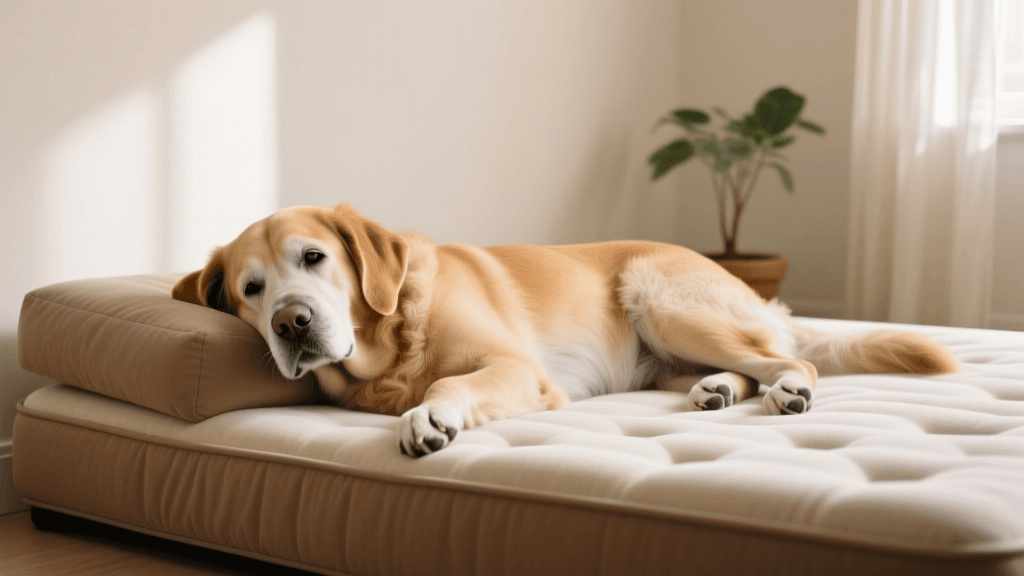
Understanding Canine Osteoarthritis and Joint Pain
As our canine companions age, their mobility naturally declines, and joint health becomes a primary concern for dedicated pet owners. According to VCA Animal Hospitals, osteoarthritis is a chronic, degenerative joint disease that affects a vast majority of senior dogs, leading to inflammation, cartilage breakdown, and chronic pain. While veterinary interventions like NSAIDs, physical therapy, and joint supplements are crucial, environmental modifications—specifically, providing the right sleeping surface—are equally vital. In this comprehensive buyer's guide, we review the best orthopedic dog beds designed to alleviate joint pressure, improve sleep quality, and restore mobility in arthritic dogs.
Why Standard Poly-Fill Beds Fail Arthritic Dogs
Standard dog beds, often stuffed with polyester fiberfill or cedar chips, might look plush in the store, but they lack the structural integrity required for aging joints. When a heavy or arthritic dog lies on a poly-fill bed, the stuffing compresses and shifts, allowing the dog's joints to press directly against the hard floor beneath. This phenomenon, known as "bottoming out," exacerbates joint pain and stiffness. The American College of Veterinary Surgeons (ACVS) emphasizes that managing environmental factors, including providing supportive bedding, is a cornerstone of osteoarthritis therapy. True orthopedic beds utilize high-density foam that evenly distributes a dog's body weight, eliminating painful pressure points on the hips, elbows, and shoulders.
Understanding Foam Types: What Actually Works?
Memory foam was originally developed by NASA and is the gold standard for pressure relief. It reacts to body heat and weight, molding to the dog's exact contours. Egg-crate foam (often made from polyurethane) is lighter and cheaper. While it provides some airflow and basic cushioning, it lacks the deep support needed for severe arthritis. Poly-fill is essentially shredded plastic fibers; it clumps and flattens within weeks. For a dog with diagnosed osteoarthritis, solid, high-density memory foam or a hybrid foam system is the only acceptable choice.
The Ultimate Buyer's Guide: Key Features to Demand
When shopping for an orthopedic bed for a dog with arthritis, not all memory foam is created equal. Here are the critical specifications you must look for:
- Foam Density and Thickness: Look for beds offering at least 4 inches of solid memory foam or a multi-layer foam system. The foam density should be at least 3 to 4 pounds per cubic foot. Anything less will compress over time.
- Waterproof Inner Liners: Senior dogs are prone to accidents. A removable, washable cover is standard, but a 100% waterproof inner liner protects the expensive foam from urine and moisture, preventing mold and odors.
- Bolster Support: Many arthritic dogs prefer to rest their heads or lean against a raised edge for spinal alignment and a sense of security. Ensure the bolsters are made of firm foam, not just loose stuffing.
- Non-Slip Base: Dogs with weak hind legs can easily slip and injure themselves when trying to climb into or out of a bed. A rubberized, non-slip bottom is a non-negotiable safety feature.
Warning Signs Your Dog's Current Bed is Failing
How do you know if it is time to upgrade? Watch for these behavioral and physical cues:
- Restlessness at Night: Frequent repositioning, panting, or inability to settle indicates discomfort.
- Difficulty Rising: If your dog struggles, slips, or vocalizes when standing up from their bed, the foam has likely bottomed out.
- Seeking Alternative Surfaces: If your arthritic dog abandons their plush bed to sleep on the hard tile floor or a firm rug, their current bed is failing to provide adequate support or temperature regulation.
- Visible Foam Degradation: If you can feel the floor through the bed when pressing down with your hand, the foam has lost its structural integrity.
Top 3 Orthopedic Dog Beds for Senior Dogs Reviewed
1. Big Barker 7-Inch Pillow Top Orthopedic Dog Bed (Premium Pick)
Designed specifically for large and giant breeds, the Big Barker features a 7-inch tri-foam construction (4 inches of H10 Comfort Foam sandwiched between 1.5 inches of H45 Support Foam). It is clinically proven by the University of Pennsylvania to reduce joint pain and stiffness. Priced between $250 and $300 depending on the size, it is an investment, but it comes with a 10-year warranty that guarantees the foam will not flatten. The microfiber cover is incredibly soft and machine washable.
2. PetFusion Ultimate Dog Bed (Best Overall)
The PetFusion Ultimate bed offers a 4-inch solid memory foam base with high-density polyurethane support. The bolsters are generously stuffed and provide excellent neck support. The cover is made from a blend of polyester and cotton, making it soft yet durable, and it features a waterproof liner. Priced around $130 to $180, it offers the best balance of therapeutic support and affordability for medium to large dogs. The non-slip bottom is highly effective on hardwood floors.
3. Furhaven Orthopedic Sofa Bed (Budget Pick)
For pet owners on a strict budget, the Furhaven Orthopedic Sofa provides an egg-crate foam base that promotes airflow and offers decent pressure relief. While it lacks the high-density longevity of the Big Barker or PetFusion, its L-shaped bolster design is excellent for dogs who like to curl up. Priced between $40 and $60, it is a great secondary bed or a suitable option for smaller, lighter senior dogs who do not compress the foam as quickly.
Product Comparison Chart
| Product | Foam Type | Price Range | Warranty | Best For |
|---|---|---|---|---|
| Big Barker 7-Inch | Tri-Foam System | $250 - $300 | 10 Years | Large/Giant Breeds |
| PetFusion Ultimate | Solid Memory Foam | $130 - $180 | 1 Year | Medium/Large Breeds |
| Furhaven Orthopedic | Egg-Crate Foam | $40 - $60 | None | Small Breeds / Budget |
How to Properly Measure Your Dog for a Bed
Buying the wrong size bed can negate all the orthopedic benefits. To measure your dog correctly, wait until they are sleeping in their natural, stretched-out position. Measure from the tip of their nose to the base of their tail, and add 6 to 10 inches to that length. For the width, measure from the top of their spine to the floor and double it. According to the American Kennel Club (AKC), allowing your dog enough space to stretch out fully without hanging off the edge is critical for maintaining proper spinal alignment and reducing joint torque during sleep. Breeds like Greyhounds require extra length, while Bulldogs require extra width.
Holistic Tips for Maximizing Joint Comfort at Home
Beyond purchasing the right bed, placement and maintenance are key. Place the bed in a warm, draft-free area of the house, as cold temperatures can exacerbate arthritis symptoms. Consider adding a pet-safe heating pad or a microwavable heat disk under the bed's cover during winter months. Finally, establish a strict washing routine for the bed cover. Arthritic dogs often shed more due to stress or spend more time in bed, leading to a buildup of dander and oils that can degrade the fabric and cause skin irritations. Wash the cover weekly in cold water and air dry or tumble dry on low to preserve the waterproof linings.
Conclusion
Investing in a high-quality orthopedic bed is one of the most impactful ways to improve the daily life of a senior dog suffering from arthritis. By prioritizing high-density foam, proper sizing, and supportive bolsters, you can provide your aging companion with the restorative sleep they need to stay active, happy, and pain-free for years to come. Always consult with your veterinarian to integrate environmental support with a comprehensive medical arthritis management plan.
marcus-aldridge
All our authors care for dogs every day — read more of their work on the authors page.