Best Family Dogs for Toddlers: Breeds, Safety, and Prep
Discover the best dog breeds for families with toddlers. Learn essential safety tips, home prep strategies, and how to foster safe child-dog bonds.
Why Adding a Dog to a Family With Toddlers Requires Strategy
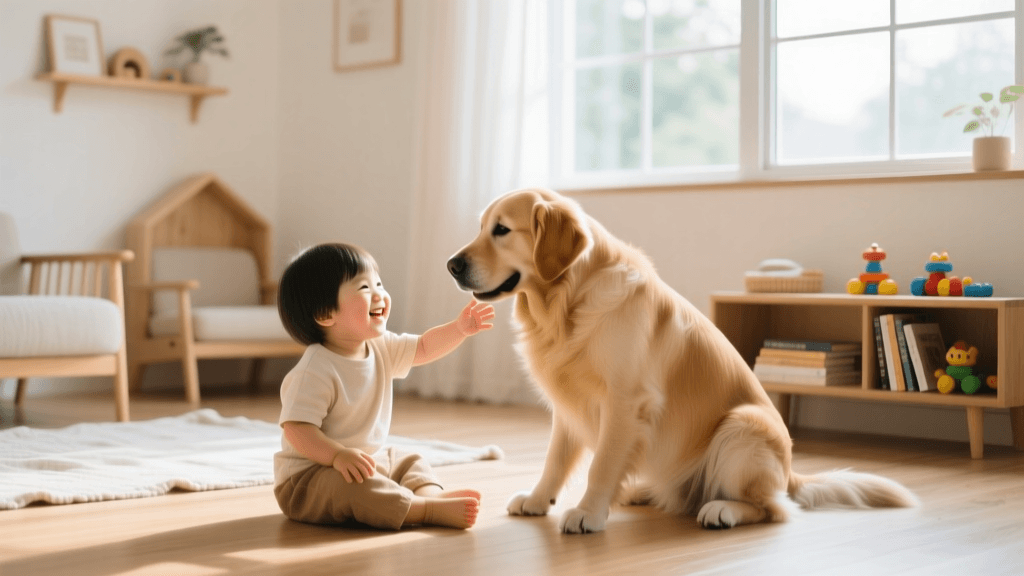
Bringing a dog into a home with toddlers and young children is one of the most rewarding decisions a family can make. The bond between a child and a family dog can teach empathy, responsibility, and provide years of unforgettable companionship. However, the transition requires careful planning, strategic breed selection, and a deep understanding of canine behavior. Toddlers are naturally unpredictable; they move erratically, make sudden loud noises, and lack the impulse control required to interact gently with animals. Therefore, the goal of getting a dog when you have young children is not just about finding a 'good' dog, but about creating a structured, safe environment where both the child and the dog can thrive without stress.
According to the American Veterinary Medical Association (AVMA), children are the most common victims of dog bites, and these incidents frequently occur in the home with familiar dogs. This statistic is not meant to discourage you, but rather to highlight the critical importance of supervision, home preparation, and teaching safe interaction habits from day one. By approaching the process with a proactive mindset, you can mitigate risks and foster a beautiful, lifelong relationship between your toddler and your new pet.
Top Dog Breeds for Families With Young Children
While every dog is an individual and temperament varies based on socialization and training, certain breeds are historically known for their patience, sturdiness, and forgiving nature—traits that are essential when living with toddlers. When evaluating breeds, look for dogs that are not overly sensitive to loud noises, have a high tolerance for clumsy handling, and possess a moderate to low prey drive.
The American Kennel Club (AKC) consistently highlights breeds that blend trainability with a gentle disposition. Below is a comparison chart of some of the most reliable breeds for families with young kids, including estimated costs and care requirements.
| Breed | Temperament with Kids | Energy Level | Grooming Needs | Estimated Cost (Puppy) |
|---|---|---|---|---|
| Golden Retriever | Exceptionally patient, eager to please, highly tolerant. | High (Requires 1-2 hours daily) | High (Daily brushing, regular professional grooming) | $1,500 - $2,500 |
| Labrador Retriever | Sturdy, playful, resilient to clumsy toddler hugs. | High (Needs vigorous exercise) | Moderate (Weekly brushing, heavy shedding seasons) | $1,200 - $2,000 |
| Beagle | Sturdy, merry, and generally very tolerant of handling. | Moderate to High (Scent-driven) | Low (Short coat, easy maintenance) | $800 - $1,500 |
| Boxer | Playful, protective, and deeply bonded to 'their' kids. | High (Needs structured play) | Low (Short coat, minimal shedding) | $1,000 - $1,800 |
| Standard Poodle | Highly intelligent, observant, and less likely to knock kids over. | Moderate to High (Mental and physical) | Very High (Requires professional clipping every 6 weeks) | $1,500 - $3,000 |
Note: If you are adopting from a rescue, expect adoption fees to range from $150 to $400. Many rescues utilize foster homes, which allows them to accurately assess an adult dog's tolerance for children and household chaos.
Essential Home Preparation: Creating Safe Zones
Before your new dog crosses the threshold, your home must be physically structured to allow the dog to escape the toddler when it feels overwhelmed. A dog that feels trapped is a dog that may resort to defensive behaviors. The Humane Society of the United States (HSUS) strongly emphasizes that dogs must always have access to a 'safe zone' where children are strictly forbidden to enter.
Must-Have Gear for Toddler-Dog Homes
- Hardware-Mounted Baby Gates ($45 - $80): Avoid pressure-mounted gates for doorways, as a medium-to-large dog can easily push them over. Invest in hardware-mounted gates that are at least 28 to 32 inches tall. The Regalo Easy Step Walk Thru Gate is a popular, durable choice that allows adults to pass through easily while keeping toddlers and dogs separated when necessary.
- Heavy-Duty Crate ($120 - $180): A crate is your dog's bedroom and ultimate sanctuary. For large breeds, a 48 x 33 x 30-inch crate (like the MidWest Homes for Pets XXL Giant Dog Crate) provides ample room. Place the crate in a low-traffic area like a home office or a quiet corner of the living room.
- Elevated Dog Beds ($40 - $90): Toddlers crawl and play on the floor. Providing an elevated bed, such as the Coolaroo Steel-Framed Elevated Dog Bed, gives your dog a comfortable place to rest that is physically out of the toddler's immediate play zone.
- Snuggle Puppy Behavioral Aid ($40): If you are bringing home a young puppy, this toy mimics the heartbeat and warmth of a mother dog, significantly reducing separation anxiety and nighttime crying during the first few weeks.
Toddler-Proofing the Dog's Environment
Just as you baby-proofed your home for your child, you must dog-proof it for your pet. Toddlers frequently drop food, leave small toys scattered, and leave doors ajar. Ensure that all choking hazards (like Legos, small blocks, and crayons) are kept in bins with secure lids. Store all dog medications, flea treatments, and toxic household cleaners in upper cabinets. Furthermore, invest in heavy, tip-proof water bowls to prevent your toddler from turning the dog's water dish into a splashing pool.
Teaching Safe Interactions: Rules for Kids and Dogs
Toddlers do not inherently know how to interact with animals; they must be taught through repetition and active parental supervision. Never leave a toddler and a dog alone together, not even for a few seconds. When supervising their interactions, enforce strict boundaries.
The 'Pet, Pet, Pet, Stop' Method
Teach your toddler to pet the dog gently on the back or chest, avoiding the face, tail, and paws. Use the 'Pet, Pet, Pet, Stop' rule: guide your child's hand to pet the dog three times, then stop and wait to see if the dog leans in for more. If the dog walks away or turns its head, the interaction is over. This teaches the child to respect the dog's consent and prevents the dog from feeling harassed.
Respecting the Safe Zone
Establish a hard rule that the dog's crate and bed are strictly off-limits to the child. If the dog retreats to its crate or behind a baby gate, the child must not follow, poke, or throw toys at the dog. You can use visual cues, like placing a red stop sign sticker on the crate, to help older toddlers remember the boundary.
Understanding Canine Stress Signals
As a parent, it is your responsibility to read your dog's body language and intervene before a situation escalates. Dogs rarely bite without warning; they offer numerous subtle stress signals first. If you notice any of the following, immediately redirect your toddler and give the dog a break:
- Whale Eye: The dog turns its head away but keeps its eyes fixed on the toddler, showing the whites of its eyes.
- Lip Licking and Yawning: If the dog is repeatedly licking its lips or yawning when it is not tired or eating, it is a sign of acute stress and anxiety.
- Stiffening: A sudden freeze in the dog's body, often accompanied by a closed mouth and intense staring.
- Pinned Ears and Tucked Tail: Classic signs of fear and discomfort.
Never punish a dog for growling. A growl is a vital communication tool and a final warning. If you punish the growl, the dog may learn to skip the warning and go straight to a bite in the future. Instead, calmly separate the child and the dog, and evaluate what triggered the stress.
The First 30 Days: A Timeline for Success
Integrating a new dog into a busy household with toddlers takes time. Animal behaviorists frequently refer to the '3-3-3 Rule' to set realistic expectations for new dog owners.
- The First 3 Days (Decompression): Your dog will likely feel overwhelmed, scared, and unsure. They may refuse to eat, hide in their crate, or sleep excessively. Keep the environment quiet, limit visitors, and keep toddler interactions to brief, 5-minute supervised sessions.
- The First 3 Weeks (Learning the Routine): The dog will start to learn your household's schedule. They will figure out when the toddler wakes up, when meals happen, and where their safe zones are. Behavioral quirks may start to appear during this time as the dog feels more comfortable testing boundaries.
- The First 3 Months (Building Trust): By the three-month mark, the dog will begin to feel truly at home. A bond will form with the children, and the dog will understand the rules of the house. This is the time to ramp up formal obedience training and increase the duration of supervised child-dog play sessions.
Bringing a dog into a family with toddlers is a profound commitment that requires patience, financial investment, and vigilant supervision. By selecting a resilient breed, investing in physical barriers like hardware-mounted gates, and actively teaching your child how to respect canine boundaries, you are laying the groundwork for a safe, loving, and lifelong friendship between your child and their new best friend.
anouk-beaumont
All our authors care for dogs every day — read more of their work on the authors page.