Best Dog Breeds For Remote Workers In 2026: Top 7 Picks
Discover the best dog breeds for remote workers in 2026. Find quiet, low-maintenance companions perfect for your home office setup and Zoom calls.
The Ultimate Guide to Home Office Companions in 2026
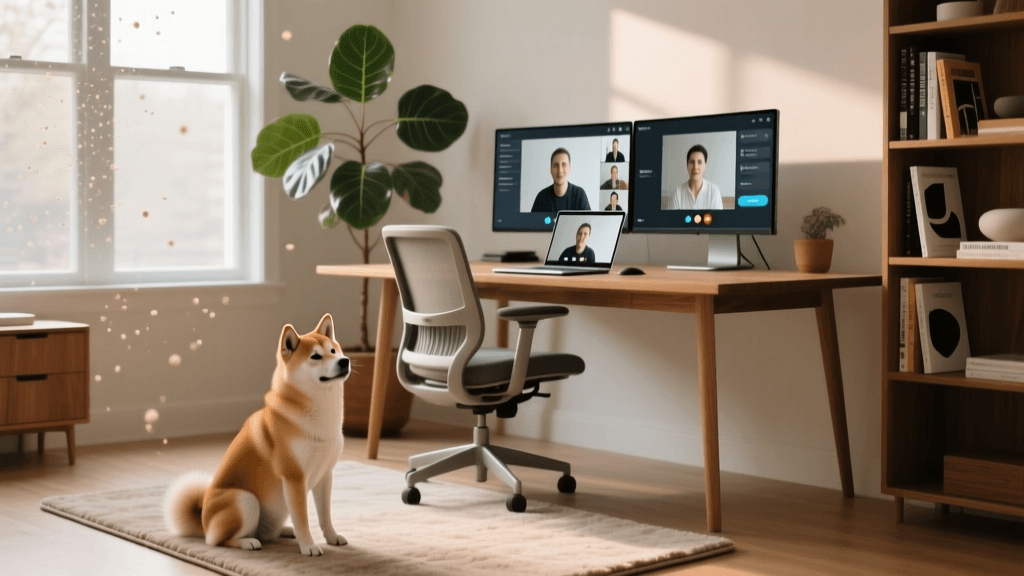
As remote and hybrid work models solidify into the permanent standard in 2026, the home office has evolved from a temporary desk in the corner to a fully optimized productivity hub. For millions of professionals, the only thing missing from this ideal setup is a canine companion. However, not every dog is suited for the work-from-home lifestyle. A high-energy herding breed might interrupt your most important Zoom calls with demand barking, while an anxious rescue might struggle with your sudden transitions from active play to deep-focus typing.
Choosing the right dog for a remote work environment requires balancing your need for quiet concentration with the dog's need for companionship and exercise. In this comprehensive guide, we explore the best dog breeds for remote workers, the essential criteria for a home-office-friendly pup, and how to set up your workspace for success.
What Makes a Dog Ideal for Remote Workers?
Before diving into specific breeds, it is crucial to understand the behavioral traits that translate well to a home office environment. According to behavioral experts, the best work-from-home dogs share three primary characteristics:
- Low Vocalization: You need a dog that is not prone to alert barking at every passing car, delivery drone, or neighborhood squirrel.
- Moderate to Low Energy Levels: While all dogs need exercise, a breed that requires hours of intense running will disrupt your workday. Dogs that are content to snooze under your desk are ideal.
- Independent Affection: The best companions want to be in the same room as you but do not suffer from severe separation anxiety or demand constant physical handling while you are typing.
Top 7 Dog Breeds for the Home Office
1. The Greyhound
Often misunderstood as hyperactive racing dogs, Greyhounds are famously known as "45-mph couch potatoes." Once their daily need for a short, brisk walk or a quick sprint in a fenced area is met, they are exceptionally lazy indoors. They rarely bark, shed minimally, and are perfectly content to sleep on a plush bed beneath your desk for eight hours straight. The American Kennel Club notes their gentle, quiet demeanor, making them elite-tier companions for professionals needing deep focus.
2. The Whippet
Similar to the Greyhound but in a more compact, apartment-friendly size, the Whippet is a silent, sleek, and incredibly affectionate breed. They are sensitive to cold, meaning they will happily burrow under a blanket in your office chair while you work. They are virtually silent dogs, ensuring your virtual meetings remain uninterrupted.
3. Cavalier King Charles Spaniel
If you want a dog that will gaze at you adoringly from a nearby dog bed without demanding you throw a toy, the Cavalier is your perfect match. They are highly adaptable, incredibly sweet, and generally quiet. They thrive on proximity, so simply being in the same room as you while you answer emails is enough to keep them happy and fulfilled.
4. Basset Hound
With their low-slung bodies and soulful eyes, Basset Hounds are the epitome of relaxed. While they can be stubborn to train and possess a distinct howl if left completely alone for days, in a home office where you are always present, they are exceptionally chill. A daily sniff-heavy walk is all they need before they settle in for a marathon nap session.
5. Shih Tzu
Bred specifically to be royal companions, the Shih Tzu requires very little physical exercise and is highly attuned to their owner's mood. They are sturdy enough to handle a busy household but small enough to sit on your lap during a long conference call. Their low-shedding coats are also a plus for keeping your office furniture clean.
6. The Pug
Pugs are the comedic relief of the dog world, but they are also champion snoozers. They are deeply devoted to their humans and will happily follow you from the kitchen to the home office. While they do snore (which you may need to mute on your microphone), they rarely engage in nuisance barking and are highly adaptable to small apartment offices.
7. Senior Mixed-Breed Rescues
Do not overlook the local shelter. Adopting a senior dog (aged 7 and above) is one of the smartest moves a remote worker can make. Senior dogs have already outgrown their destructive puppy phases, their energy levels are predictable and low, and their personalities are fully formed. The Humane Society of the United States highly recommends matching your lifestyle to a dog's current energy level, making senior rescues a perfect, life-saving choice for busy professionals.
Breed Comparison Chart for Remote Workers
| Breed | Energy Level | Bark Level | Space Needed | Ideal For |
|---|---|---|---|---|
| Greyhound | Low (Indoors) | Very Low | Medium/Large | Deep work & long meetings |
| Whippet | Low (Indoors) | Very Low | Small/Medium | Apartment dwellers |
| Cavalier King Charles | Moderate | Low | Small/Medium | Those wanting a gentle lap dog |
| Basset Hound | Low | Moderate | Medium | Relaxed, slow-paced workdays |
| Shih Tzu | Low | Low | Small | Compact home offices |
| Pug | Low | Low | Small | Comedic, affectionate companionship |
| Senior Rescue | Low | Varies | Varies | Empathetic adopters wanting predictability |
Setting Up Your 2026 Home Office for a Dog
Bringing a dog into your workspace requires more than just a water bowl. To maintain your productivity and your dog's well-being, you must optimize the environment.
Ergonomic Resting Zones
Dogs sleep for 12 to 14 hours a day. Provide a high-quality orthopedic bed under or adjacent to your desk. In 2026, temperature-regulating smart pet beds are widely available, allowing you to cool the bed during summer months or warm it during winter, ensuring your dog remains comfortable without seeking out your lap for warmth.
Interactive Enrichment
When you are in a deep-focus sprint and cannot interact with your dog, mental enrichment is key. Utilize snuffle mats or frozen lick mats to keep them quietly occupied. Modern smart treat-dispensing cameras allow you to monitor your dog and toss a treat via a smartphone app between meetings, providing a quick interaction without breaking your workflow.
Cable Management and Safety
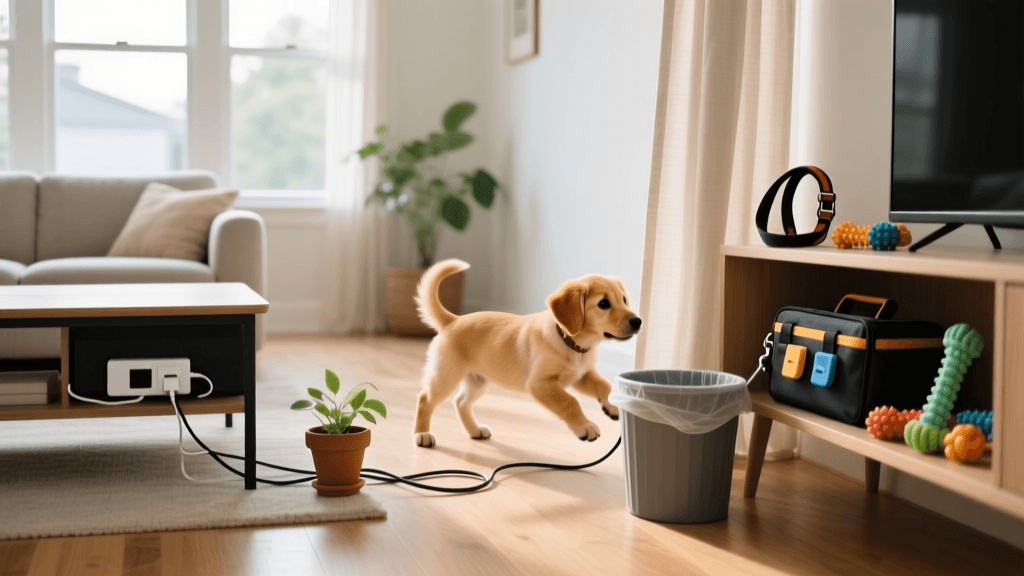
Even well-behaved dogs can accidentally trip over loose wires or chew on expensive tech accessories. Invest in under-desk cable management trays, cord protectors, and ensure that any toxic office plants (like certain lilies or pothos) are placed on high shelves or replaced with pet-safe alternatives like spider plants.
Establishing a Workday Routine
Dogs thrive on predictability. Establishing a strict routine helps your dog understand when it is time to be active and when it is time to let you work.
- The Morning Commute: Replace the traditional commute with a 30-minute morning walk. This allows your dog to expend energy, sniff, and relieve themselves before you sit down at your desk.
- The Mid-Day Reset: Schedule a 15-minute play session or training drill during your lunch break. This reinforces obedience and prevents afternoon restlessness.
- The End-of-Day Transition: When you close your laptop, signal the end of the workday with a specific cue, such as a second, longer walk or a trip to the local dog park. This helps both you and your dog disconnect from work stress.
Health and Wellness Considerations
Working from home means you are perfectly positioned to monitor your dog's health. You will immediately notice changes in their appetite, mobility, or bathroom habits. According to the ASPCA, routine veterinary care and daily observation are the cornerstones of preventative health. Use your flexible schedule to your advantage by booking mid-day vet appointments, which are often less crowded and less stressful for your pet.
Additionally, be mindful of your own posture and movement. Having a dog encourages you to stand up, stretch, and take screen breaks, ultimately improving your own physical health and reducing the risks associated with a sedentary remote work lifestyle.
Final Thoughts
Integrating a dog into your remote work life in 2026 is a deeply rewarding experience that boosts mental health, reduces stress, and provides unmatched companionship. By selecting a breed or rescue that aligns with your professional demands and setting up a safe, enriching home office, you can enjoy the best of both worlds: a thriving career and a happy, sleeping best friend right by your feet.
hannah-wickes
All our authors care for dogs every day — read more of their work on the authors page.