Best Puppy Breeds For Remote Workers In 2026: Top Calm Picks
Discover the best independent and calm puppy breeds for remote workers in 2026. Create a peaceful home office with our top breed picks and setup tips.
Why Breed Selection Matters for the 2026 Home Office
As hybrid and fully remote work models become the permanent standard in 2026, the home office has evolved into a multi-purpose sanctuary. For dog lovers, this shift presents a unique opportunity: the ability to raise a puppy from day one without the guilt of leaving them alone for eight hours. However, sharing your workspace with a growing puppy comes with distinct challenges. Zoom calls interrupted by high-pitched barking, chewed ethernet cables during the teething phase, and the constant demand for attention can severely impact your productivity.
Not all puppies are created equal when it comes to home office compatibility. While high-energy working breeds like Border Collies or Siberian Huskies require hours of vigorous exercise and mental stimulation, certain breeds possess a naturally calm, independent, or low-energy disposition. These traits make them ideal companions for professionals who need long stretches of uninterrupted deep work. Selecting the right breed is the first critical step in ensuring a harmonious balance between your career milestones and your puppy's developmental needs during their crucial first year.
Top 5 Best Puppy Breeds for Remote Workers
When evaluating breeds for a home office environment, we prioritize low bark drive, moderate to low indoor energy levels, and an independent streak that allows the puppy to entertain themselves or nap while you focus. Here are the top five breeds perfectly suited for the 2026 remote worker.
1. Basset Hound
The Basset Hound is the quintessential home office companion. Known for their incredibly low indoor energy levels, these puppies are more likely to be found snoring under your desk than demanding a game of fetch. According to the American Kennel Club, Bassets are remarkably patient and possess a stubborn but gentle demeanor. While their puppyhood still requires consistent, positive reinforcement training, their natural inclination to lounge makes them exceptionally quiet during video conferences. Their primary need is a moderate daily walk to prevent obesity, which easily fits into a lunch break routine.
2. Greyhound
It may seem counterintuitive to recommend a racing breed for a sedentary home office, but Greyhounds are famously known as '45-mph couch potatoes.' They are sprinters, not marathon runners. A quick 20-minute morning run or a visit to a secure dog park is usually enough to satisfy their exercise needs. Once back in the home office, a Greyhound puppy will happily curl up on a nearby bed for hours. They are notoriously quiet dogs, rarely barking without a severe provocation, making them an elite choice for professionals on frequent audio calls.
3. Cavalier King Charles Spaniel
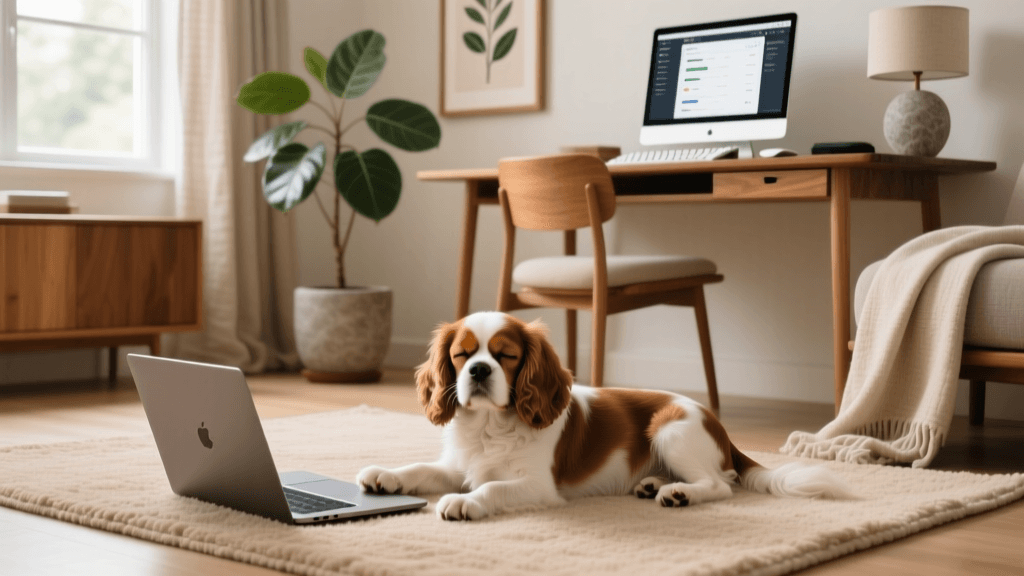
If you prefer a puppy that wants to be near you but not necessarily on top of you, the Cavalier King Charles Spaniel is an excellent choice. They are highly adaptable and thrive on simply being in the same room as their owner. A Cavalier puppy will happily chew on a toy at your feet while you type. They are eager to please, which makes early potty training and basic obedience significantly easier than with more stubborn breeds. Their moderate energy levels mean they are easily satisfied with a few short neighborhood walks scattered throughout your workday.
4. Shiba Inu
For the remote worker who appreciates a more feline personality in a canine package, the Shiba Inu is unmatched. Shibas are famously independent, clean, and quiet. They do not suffer from the clingy separation anxiety that plagues many companion breeds, meaning they are perfectly content to nap in their crate or on a nearby mat while you focus on complex tasks. However, their independence requires a patient approach to early socialization and training. They are fastidious about their living space, which often makes potty training a Shiba puppy a surprisingly swift process.
5. Bulldog
The Bulldog is a low-stamina breed that excels in a relaxed home office environment. Their physical build limits their capacity for prolonged, high-intensity play, meaning they are naturally inclined to rest. A Bulldog puppy will require short, gentle play sessions and plenty of climate-controlled napping. They are deeply affectionate but generally lack the vocal intensity of smaller terrier breeds. Their easygoing nature makes them a comforting, low-maintenance presence during high-stress workdays.
Breed Comparison Chart for Home Office Compatibility
| Breed | Bark Level | Indoor Energy | Independence | Trainability | Best For |
|---|---|---|---|---|---|
| Basset Hound | Low | Very Low | Moderate | Moderate | Quiet deep-work sessions |
| Greyhound | Very Low | Low | High | High | Frequent morning runners |
| Cavalier King Charles | Low | Moderate | Low | Very High | Workers wanting a close companion |
| Shiba Inu | Low | Moderate | Very High | Low | Independent, cat-like dynamic |
| Bulldog | Low | Very Low | Moderate | Moderate | Small apartments and relaxed vibes |
First-Year Puppy Care: Managing Milestones While Working
Choosing the right breed is only the beginning. The first year of a puppy's life is packed with rapid developmental milestones that require strategic management, especially when you are simultaneously trying to meet professional deadlines. Here is how to handle the core pillars of puppy care from your home office.
Potty Training Around Zoom Calls
Potty training requires a strict, consistent schedule. According to the ASPCA, puppies generally need to eliminate after waking up, after eating, and after playing. For a remote worker, this means mapping your puppy's biological clock to your meeting schedule. Feed your puppy at the exact same times every day to predict their bathroom needs. If you have a two-hour mandatory video meeting, ensure the puppy is exercised and given the opportunity to potty immediately beforehand, then settle them in a comfortable, appropriately sized crate with a long-lasting chew toy to prevent accidents on your office rug.
Teething and Quiet Chew Toys
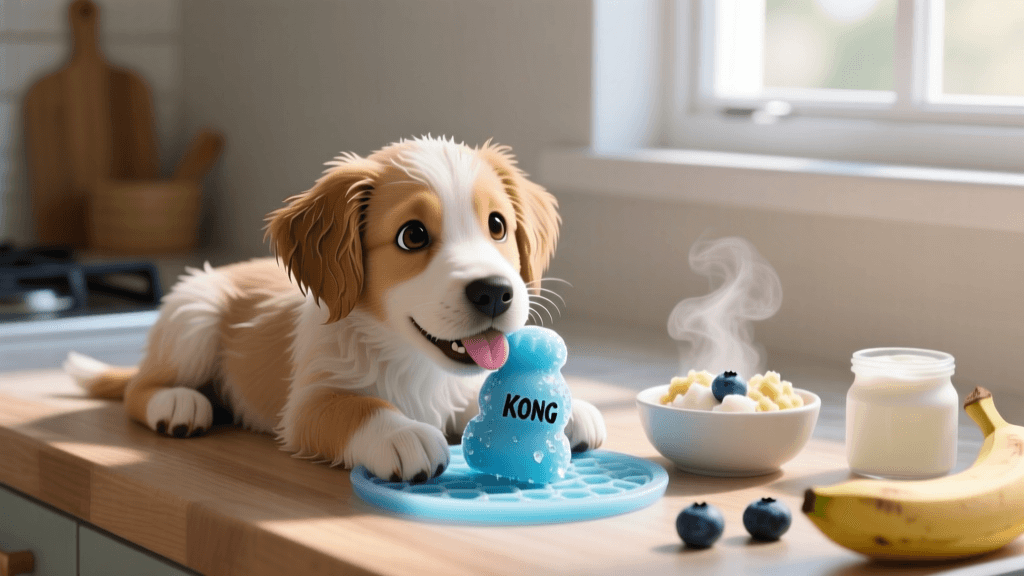
Between the ages of 12 and 24 weeks, your puppy will enter the teething phase. The urge to chew is intense and, if unmanaged, will result in destroyed desk legs and chewed laptop chargers. To maintain a quiet environment during calls, avoid squeaky toys during work hours. Instead, invest in durable, silent chew options. Frozen rubber toys stuffed with dog-safe peanut butter or plain yogurt provide soothing relief for sore gums and can keep a puppy occupied for up to 45 minutes. Keep a rotation of these frozen toys in your office mini-fridge so you always have a silent distraction ready when an unexpected call comes in.
Early Socialization for the Homebound Puppy
The critical socialization window closes around 16 weeks of age. Remote workers often make the mistake of assuming that because they are home all day, the puppy is getting enough social interaction. This is false. A puppy must be exposed to diverse environments, surfaces, sounds, and strangers to develop into a confident adult dog. Block out 30 minutes every afternoon specifically for socialization. Take your puppy to a local coffee shop patio, sit outside a grocery store, or invite colleagues over for a 'puppy meet-and-greet.' If your workload prevents daily outings, consider hiring a midday dog walker specifically tasked with socialization excursions.
Setting Up Your 2026 Puppy-Friendly Workspace
The modern 2026 home office is equipped with smart technology that makes managing a puppy easier than ever. To protect your workflow and your puppy's safety, consider integrating the following setups:
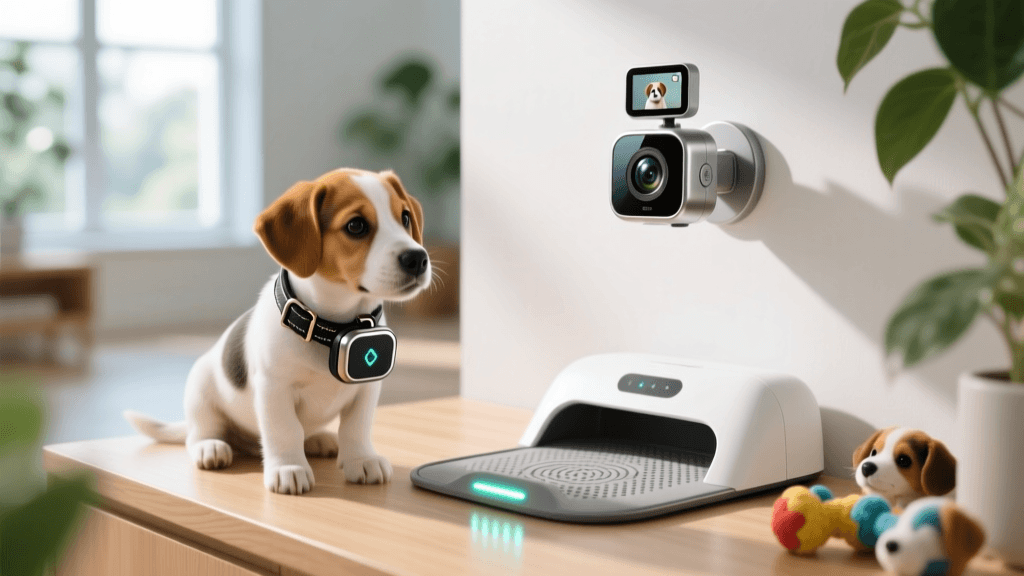
- Smart Pet Cameras: Devices like the latest Furbo or Wyze Pet cameras offer 360-degree views, two-way audio, and treat-tossing capabilities. If you notice your puppy waking up from a nap in the adjacent room during a call, you can toss a treat to keep them settled without leaving your desk.
- Automated Smart Doors: If you have a secure, fenced yard, a microchip-activated smart pet door allows your older puppy to let themselves out for a quick potty break without you having to pause your work to open the door.
- Cable Management Solutions: Puppies are naturally drawn to dangling wires. Use heavy-duty cable sleeves and under-desk cable trays to completely hide your power strips and ethernet cables. This is a non-negotiable safety measure during the first year.
- White Noise Machines: To prevent your puppy from reacting to delivery drivers or neighborhood noises while you are on a call, run a white noise machine near their bed. This masks sudden outdoor sounds and promotes deeper, uninterrupted naps.
Pro Tip for 2026: Use your smart home ecosystem to your advantage. Set up automated routines that dim the lights and turn on a white noise machine in the puppy's area the moment your calendar detects a scheduled video conference, creating an automatic 'sleep cue' for your dog.
Conclusion
Integrating a puppy into your remote work lifestyle is a deeply rewarding experience that requires foresight, breed-appropriate expectations, and structured routines. By selecting a naturally calm and independent breed like the Basset Hound, Greyhound, or Cavalier King Charles Spaniel, you set the foundation for a peaceful home office. Combine the right genetics with a strategic approach to first-year milestones—such as scheduled potty breaks, silent teething solutions, and dedicated socialization windows—and you will cultivate a well-adjusted adult dog who happily co-exists with your professional ambitions. Your home office in 2026 can be both a hub of productivity and a nurturing environment for your new best friend.
beth-carrasco
All our authors care for dogs every day — read more of their work on the authors page.