Best Dog Breeds for Remote Workers 2026: Top 5 Calm Companions
Discover the best dog breeds for remote workers in 2026. Find calm, quiet companions perfect for home offices and daily Zoom calls.
The Rise of the Co-Working Dog in 2026
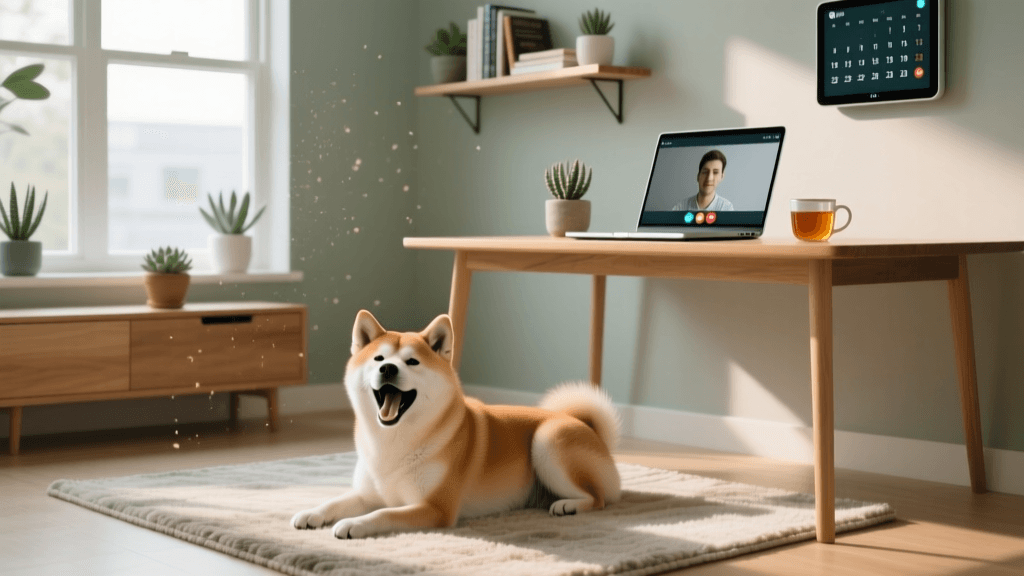
As the global workforce settles into the flexible, hybrid, and fully remote routines of 2026, the home office has permanently evolved. For millions of professionals, working from home is no longer a temporary perk but a standard lifestyle. This massive shift has sparked a continuing trend: the "co-working dog." However, not every dog is suited to spend eight hours a day in a home office. High-energy herding breeds might interrupt your critical Zoom calls with demand barking, while anxious breeds might struggle with your occasional trips to a corporate hub. Finding the best dog breeds for remote workers requires looking for specific traits: low vocalization, moderate energy levels, and a strong "off-switch." In this comprehensive guide, we explore the top breeds that thrive in a work-from-home environment, ensuring your productivity and your pup's happiness remain perfectly balanced.
What Makes a Great Remote Work Companion?
Before diving into specific breeds, it is essential to understand the criteria that make a dog an ideal home office companion. According to the American Kennel Club, breed temperament and energy levels are the most critical factors to consider when matching a dog to your lifestyle. For remote workers, the ideal canine colleague should possess the following traits:
- Low Vocalization: Dogs that bark at every passing car or delivery driver will disrupt your concentration and your virtual meetings.
- Moderate to Low Energy: While all dogs need exercise, a WFH dog should be content with a morning walk and an evening play session, spending the bulk of the workday napping.
- Independence: Clingy breeds that demand constant physical touch can make it difficult to focus on deep work. A good WFH dog is happy to simply be in the same room as you without needing to be on your lap.
- Adaptability: If your remote work schedule occasionally requires you to visit a co-working space or the main office, your dog should be comfortable spending time alone or with a pet sitter.
Top 5 Best Dog Breeds for Remote Workers in 2026
1. Cavalier King Charles Spaniel
The Cavalier King Charles Spaniel is widely considered the ultimate companion dog. Bred specifically to sit on the laps of royalty, they are incredibly affectionate, gentle, and quiet. They are highly attuned to their owner's emotions, making them excellent stress-relievers during high-pressure workdays. Cavaliers are generally quiet dogs, rarely barking without a very good reason. They require moderate exercise—a 30-minute walk in the morning and evening is usually sufficient—leaving them perfectly content to snooze on a plush bed under your desk while you tackle your inbox. Their primary drawback is their need for companionship; they do not do well if left alone for long hours, making them perfect for those who are home 90% of the time.
2. Greyhound
It might seem counterintuitive to recommend a racing breed for a sedentary home office, but Greyhounds are famously known as "45-mph couch potatoes." They are sprinters, not endurance athletes. A quick 20-minute sprint in a fenced area or a brisk morning walk is all they need to expend their energy. Once that is done, a Greyhound will happily sleep for 18 hours a day. They are incredibly quiet, rarely barking, and their short coats mean minimal shedding on your office chair. For remote workers who live in apartments or homes without large yards, a retired racing Greyhound is an exceptionally low-maintenance and peaceful co-worker.
3. Basset Hound
If your ideal workday involves a dog that is completely unfazed by the chaos of the world, the Basset Hound is your breed. Known for their soulful eyes and incredible sense of smell, Bassets are notoriously stubborn and low-energy. They are not going to interrupt your workflow with demands to play fetch. Instead, they will likely snore softly in the corner of your office. They are generally quiet, though they can be vocal if left outside alone for too long. Their relaxed demeanor makes them fantastic companions for professionals who need a calm, grounding presence during stressful virtual negotiations. Just be prepared for a bit of drool and invest in a good vacuum for their moderate shedding.
4. Shih Tzu
The Shih Tzu was bred exclusively for companionship, and they excel at it. Unlike terriers that were bred to hunt, or herding dogs bred to work, the Shih Tzu's only job is to be with you. They are highly adaptable, thriving in both small city apartments and large suburban home offices. One of the biggest advantages of the Shih Tzu for remote workers is their hair-like coat, which sheds very little, keeping your workspace clean and allergen-free. They require daily brushing and regular grooming, which can actually serve as a great mindfulness break during your workday. They are generally quiet and happy to simply watch you type from their favorite cushion.
5. Whippet
Similar to the Greyhound but in a more compact package, the Whippet is a fantastic choice for remote workers with smaller home offices. They are incredibly clean, virtually odorless, and very quiet. Whippets are sensitive dogs that form deep bonds with their owners, often acting as excellent emotional support animals during tough workweeks. They love to burrow under blankets, so providing a dedicated, cozy dog bed in your office will keep them happily occupied while you work. A daily run or a vigorous game of flirt pole in the yard will satisfy their prey drive, ensuring they remain calm and relaxed during your afternoon meetings.
Breed Comparison Chart for Home Office Suitability
To help you make an informed decision, we have compiled a comparison chart based on 2026 veterinary behaviorist guidelines and owner surveys regarding work-from-home suitability.
| Breed | Energy Level | Bark Level | Shedding | WFH Suitability Score (1-10) |
|---|---|---|---|---|
| Cavalier King Charles Spaniel | Moderate | Low | Moderate | 9.5 |
| Greyhound | Low (Sprinter) | Very Low | Low | 9.0 |
| Basset Hound | Very Low | Low | Moderate | 8.5 |
| Shih Tzu | Low | Low-Moderate | Very Low (Hair) | 9.0 |
| Whippet | Moderate (Sprinter) | Very Low | Low | 9.2 |
Training Your Dog for the 2026 Home Office
Even the calmest breed requires training to understand the boundaries of a home office. The ASPCA emphasizes the importance of establishing routines and clear expectations for dogs in a home environment. Here are the most effective training strategies for remote workers:
Mastering the "Place" Command
The "Place" command is the single most valuable tool for a work-from-home dog owner. By teaching your dog to go to a specific mat or bed and stay there until released, you can prevent them from wandering into the frame of your webcam or begging during your lunch break. Start by luring your dog onto a raised cot or designated mat with a high-value treat. Gradually increase the duration they must stay on the mat before receiving a reward. Over time, the mat becomes a cue for relaxation and sleep.
Enrichment Toys for Deep Work Sessions
When you need two hours of uninterrupted deep work, rely on canine enrichment rather than physical exercise. Lick mats smeared with frozen peanut butter or Greek yogurt, and durable puzzle toys like the Kong Classic, can keep your dog mentally stimulated and quiet for extended periods. Licking is a naturally soothing behavior for dogs, which helps reduce anxiety and promotes a calm office environment.
Optimizing Your Workspace for a Dog
Creating a dog-friendly home office goes beyond just picking the right breed. According to the Humane Society of the United States, providing a safe, comfortable, and stimulating environment is crucial for your dog's overall well-being. Here is how to optimize your 2026 workspace:
- Ergonomic Dog Beds: Invest in an orthopedic memory foam bed, especially for older dogs or breeds prone to joint issues like Basset Hounds. Place the bed just outside your immediate peripheral vision so your dog feels included but is not underfoot.
- Air Quality Management: Even low-shedding breeds produce dander. Running a high-quality HEPA air purifier in your home office will keep the air fresh, reduce allergens, and prevent dust from accumulating on your electronics.
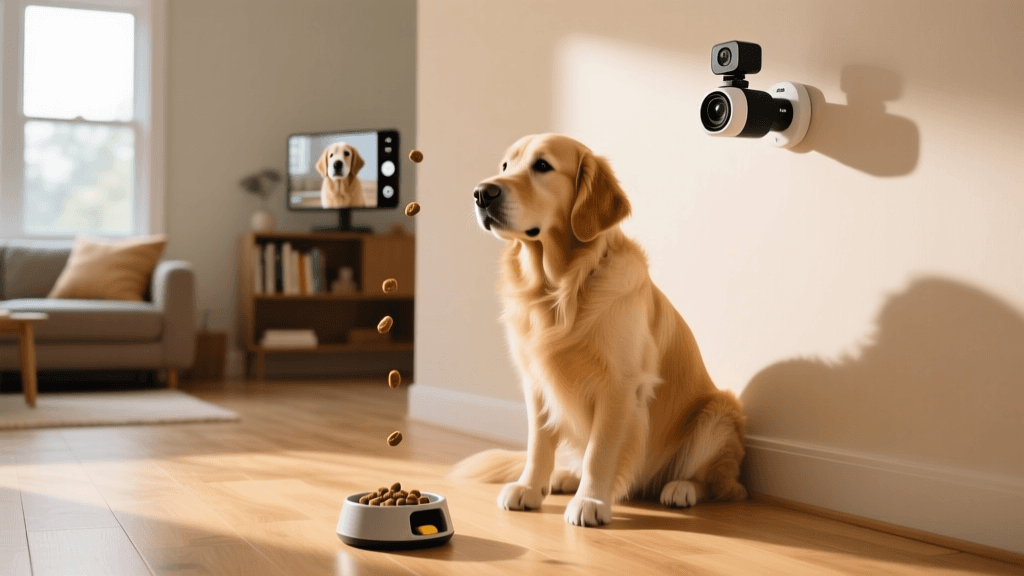
- Smart Pet Cameras: If you occasionally need to step away from your desk for a long lunch or an off-site meeting, a smart pet camera with two-way audio and treat-tossing capabilities allows you to check in on your dog and reward them for calm behavior remotely.
- Cable Management: Dogs, especially puppies or bored breeds, may chew on exposed wires. Use cord concealers and cable sleeves to protect both your expensive tech equipment and your dog's safety.
Conclusion
Sharing your home office with a dog is one of the greatest perks of the modern remote work lifestyle. By selecting a breed that naturally aligns with the quiet, structured environment of a home office—such as the Cavalier King Charles Spaniel, Greyhound, Basset Hound, Shih Tzu, or Whippet—you set yourself up for a harmonious and productive workday. Remember that even the most laid-back breeds require dedicated time for exercise, mental stimulation, and affection outside of working hours. With the right breed, proper training, and a thoughtfully designed workspace, your canine companion will become your favorite co-worker in 2026 and beyond.
tom-renshaw
All our authors care for dogs every day — read more of their work on the authors page.