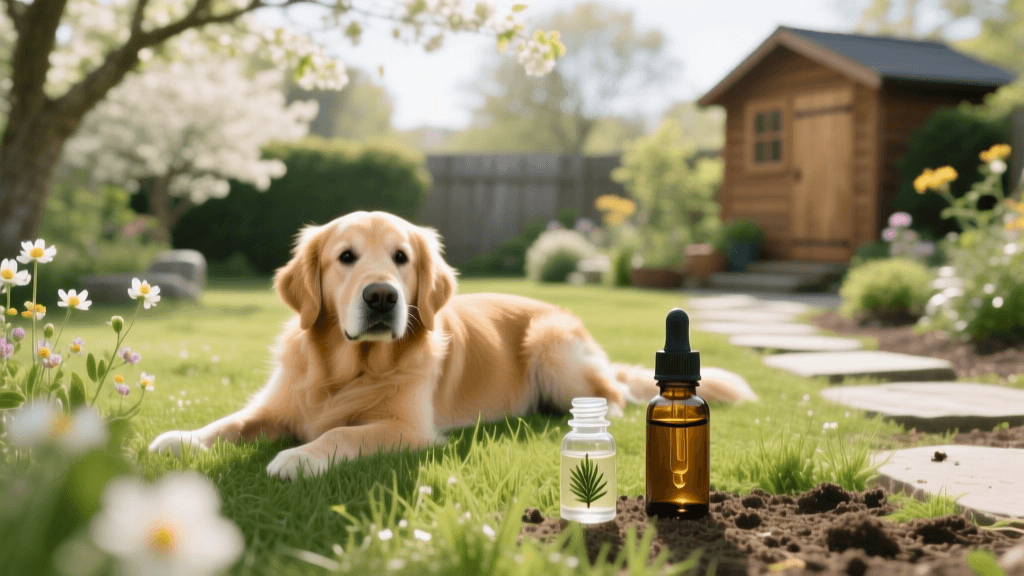
Holistic Flea Control 2026: Nematodes & Cedar Oil Guide
Discover a natural 2026 flea and tick routine using beneficial nematodes and cedarwood oil to keep your dog and yard holistically pest-free.
The Shift Toward Holistic Ecosystem Management in 2026
As we navigate through 2026, the holistic pet care community has increasingly shifted away from systemic chemical preventatives, embracing a more comprehensive, ecosystem-based approach to parasite management. For decades, the standard veterinary recommendation was to administer monthly oral or topical neurotoxins to kill fleas and ticks after they bit the dog. While effective, a growing number of pet parents and holistic veterinarians are seeking natural alternatives that prioritize the long-term neurological and hepatic health of their dogs.
Holistic flea and tick control is not about finding a single "magic bullet" natural pill. Instead, it is about creating a hostile environment for parasites in your yard, establishing a natural topical barrier on your dog, and fortifying your dog's internal immune system. By combining biological yard treatments with plant-based topicals, you can achieve exceptional pest control without introducing synthetic pesticides into your dog's bloodstream.
Why Reconsider Systemic Chemical Preventatives?
The primary catalyst for the 2026 shift toward holistic methods revolves around the isoxazoline class of drugs (found in popular chewables like NexGard, Bravecto, and Simparica). While these medications are highly effective at killing parasites, they work by crossing the blood-brain barrier of the insect. The U.S. Food and Drug Administration (FDA) has previously issued warnings regarding the potential for adverse neurological events in dogs and cats treated with isoxazoline products, including muscle tremors, ataxia, and seizures. For dogs with a history of neurological issues, epilepsy, or liver sensitivities, holistic veterinarians strongly recommend avoiding these systemic chemicals in favor of environmental and topical management.
Step 1: Yard Treatment with Beneficial Nematodes
The most critical battleground in flea control is not your dog's coat; it is your backyard. Only 5% of the flea population exists as adults on your dog. The remaining 95% exists as eggs, larvae, and pupae in your yard's soil and shaded areas. To break the flea life cycle holistically, we use Steinernema feltiae, a species of beneficial nematode.
Beneficial nematodes are microscopic, unsegmented worms that naturally occur in soil. According to entomology research from the University of Florida IFAS, these specific nematodes actively hunt down flea larvae and pupae in the soil, entering their bodies and releasing bacteria that eliminate the pest within 48 hours. They are entirely harmless to mammals, birds, earthworms, and plants.
How to Apply Nematodes in 2026
- Purchase Live Cultures: Order a high-quality, live nematode spray concentrate (such as Arbico Organics NemAttack) online. Ensure they are shipped with cold packs to maintain viability.
- Timing is Everything: Apply in the early evening or on a cloudy day. UV light from direct sunlight will kill nematodes before they can penetrate the soil.
- Prep the Yard: Water your yard thoroughly before application. Nematodes require moist soil to swim through the dirt and locate their hosts.
- Application: Mix the nematode concentrate with water in a hose-end sprayer and apply to shaded areas, under decks, around dog houses, and along fence lines. Fleas do not thrive in direct, scorching sunlight, so focus on the shaded microclimates of your yard.
- Post-Application: Water the yard lightly every morning for the next week to keep the soil moist, allowing the nematodes to establish and multiply.
Step 2: Topical & Environmental Defense with Cedarwood Oil
Once your yard's soil biome is balanced and hunting flea larvae, you must protect your dog when they venture into untreated areas (like public parks or hiking trails). Cedarwood oil (Juniperus virginiana) is a powerhouse in the holistic toolkit. It contains natural compounds like cedrol and thujopsene, which act as powerful octopamine blockers in insects. This effectively dehydrates, repels, and kills adult fleas and ticks on contact, while being completely safe for canine physiology.
Product Spotlight: In 2026, Wondercide Flea, Tick, and Mosquito Spray (Cedarwood formula) remains a gold standard for holistic pet parents. It uses food-grade, sustainably sourced cedarwood oil and lemongrass oil.
Safe Application Techniques
Never apply undiluted essential oils directly to a dog. Commercial holistic sprays like Wondercide are pre-diluted in safe carrier bases. To apply:
- The Patch Test: Before full-body application, spray a small amount on your dog's hind leg and wait 24 hours to ensure no contact dermatitis occurs.
- Full Body Spray: Lightly mist your dog's coat, rubbing it down to the skin. Focus heavily on the "tick zones": the paws, behind the ears, the armpits, and the base of the tail.
- Face Protection: Never spray directly on the face. Instead, spray the oil onto your hands or a bandana, and gently wipe it around your dog's ears and neck.
- Environmental Spray: Use the same cedarwood spray on your dog's bedding, your carpets, and along the baseboards of your home to repel any hitchhiking pests.
2026 Holistic Flea Prevention Comparison Chart
Understanding how different natural methods interact is crucial for building a multi-layered defense strategy. Below is a comparison of the most prominent holistic and conventional methods available this year.
| Method | Target Area | Mechanism of Action | Safety Profile | Reapplication Frequency |
|---|---|---|---|---|
| Beneficial Nematodes | Yard / Soil | Parasitic invasion of flea pupae/larvae | Extremely High (Safe for pets, humans, plants) | Every 2-3 months during warm seasons |
| Cedarwood Oil Sprays | Dog's Coat & Home | Octopamine blockade / Dehydration | High (Safe for dogs; use caution around cats) | Every 2-3 days, or before outdoor excursions |
| Food-Grade Diatomaceous Earth | Yard & Home Carpets | Physical desiccation (cuts insect exoskeleton) | Moderate (Safe if ingested; harmful if inhaled) | After rain or heavy vacuuming |
| Systemic Isoxazolines | Dog's Bloodstream | Neurotoxin (kills after parasite bites) | Low-Moderate (Risk of neurological/hepatic events) | Monthly or Quarterly (depending on brand) |
Step 3: Internal Support & The Skin Barrier
Holistic veterinary medicine operates on the principle that pests are naturally drawn to weak, inflamed, or nutritionally deficient hosts. A dog with a robust immune system, a healthy gut microbiome, and a strong lipid skin barrier is naturally less attractive to fleas and ticks.
- Wild Alaskan Salmon Oil: Rich in EPA and DHA omega-3 fatty acids, salmon oil fortifies the skin's lipid barrier, making it harder for parasites to penetrate and reducing the allergic reaction to flea saliva (Flea Allergy Dermatitis).
- Organic Apple Cider Vinegar (ACV): Adding one teaspoon of raw, unfiltered ACV (with the "mother") to your dog's daily water bowl subtly alters their skin's pH and emits a faint odor that insects detest, without being detectable to human noses.
- Brewer's Yeast: Packed with B-vitamins, Brewer's yeast promotes a thick, healthy coat and contains natural compounds that act as a mild systemic repellent when metabolized.
Your Weekly 2026 Holistic Routine
Consistency is the cornerstone of natural pest management. Because you are not using long-lasting synthetic chemicals, you must replace them with consistent, mindful habits.
- Monday (Yard Maintenance): Check soil moisture in shaded areas. If the weather has been dry, lightly water the nematode-treated zones to keep the beneficial worms active.
- Wednesday (Environmental Reset): Wash all dog bedding, throw blankets, and fabric crate liners in hot water using a cedar-based, non-toxic laundry detergent. Vacuum carpets and immediately empty the canister outside.
- Friday (Topical Armor): Perform a full-body cedarwood oil spray application on your dog before your weekend hikes and park visits. Spray outdoor gear like harnesses and booties.
- Daily (Internal Fortification): Administer omega-3 supplements with breakfast and ensure the ACV water bowl is refreshed.
Crucial Safety Caveats: Ticks and Multi-Pet Homes
While holistic flea control is highly effective, tick management requires intense vigilance. Ticks carry severe pathogens, including Lyme disease, Anaplasmosis, and the increasingly prevalent Alpha-gal syndrome (which can cause severe meat allergies in humans). Natural repellents do not offer 100% immunity against tick attachment. If you live in a high-tick area, you must perform meticulous, hands-on tick checks every single time your dog returns from the woods or tall grass. Use a stainless steel tick removal tool to extract any embedded pests immediately.
Furthermore, if you share your home with felines, exercise caution with essential oils. While cedarwood is generally considered safer for cats than tea tree, eucalyptus, or peppermint oils, cats lack specific liver enzymes to process high concentrations of phenols and terpenes. Always allow cedarwood sprays to dry completely on your dog before allowing your cat to groom or cuddle them, and never apply cedar oil directly to a cat.
Conclusion
Embracing a holistic flea and tick routine in 2026 is a commitment to your dog's overall vitality and your local ecosystem. By deploying beneficial nematodes to cleanse your soil, utilizing cedarwood oil to shield your dog's coat, and nourishing their skin from the inside out, you create a comprehensive, non-toxic fortress against parasites. It requires more active participation than simply handing your dog a monthly chemical chew, but the reward is a vibrant, toxic-free life shared with your best friend.
marcus-aldridge
All our authors care for dogs every day — read more of their work on the authors page.