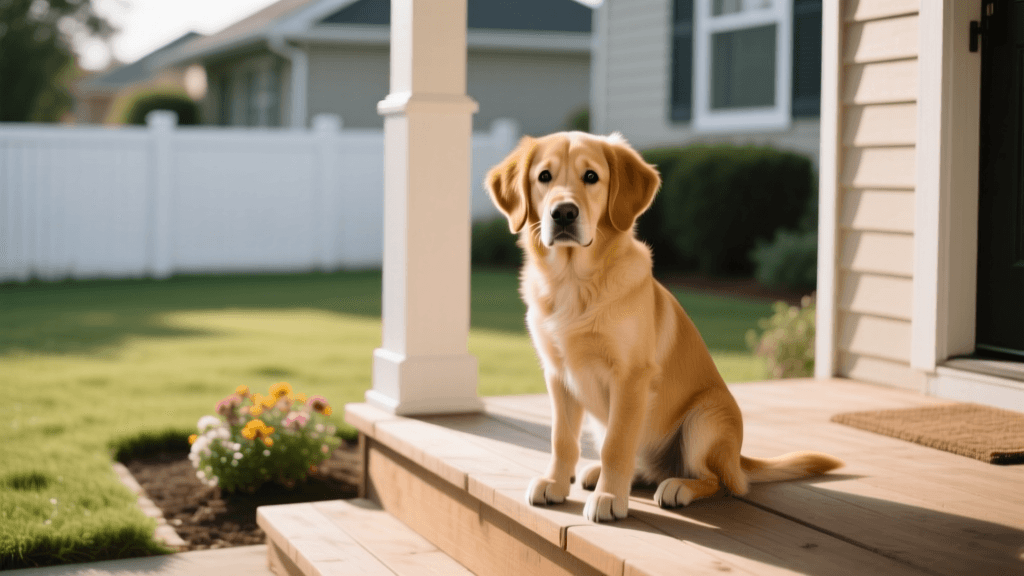
The Complete Beginner's Guide to Puppy Potty Training
Master puppy potty training with our beginner's handbook. Learn crate training, daily schedules, and accident prevention tips for a stress-free home.

Welcome to Your Puppy Potty Training Handbook
Bringing a new puppy home is an exhilarating experience filled with cuddles, playtime, and unforgettable firsts. However, it also comes with a daunting challenge for many first-time dog owners: potty training. If you are feeling overwhelmed by puddles on the rug and midnight wake-up calls, take a deep breath. You are not alone, and more importantly, you are in the right place. This complete beginner's handbook is designed to demystify the house-training process, providing you with a structured, science-backed approach to raising a cleanly behaved dog. Potty training is not about punishment or dominance; it is about establishing a predictable routine, managing your puppy's environment, and rewarding desired behaviors. By understanding your puppy's biological limitations and leveraging their natural instincts, you can transform this frustrating chore into a bonding experience that sets the foundation for a lifetime of trust.
Understanding Puppy Bladder Capacity
Before you can set a schedule, you must understand the physical limitations of your new companion. A puppy's bladder control develops gradually as their muscles mature. The universally accepted veterinary rule of thumb is that a puppy can hold their bladder for roughly one hour per month of age, up to a maximum of about eight hours once fully mature. This means an eight-week-old puppy has a maximum holding capacity of just two hours, and that is only when they are resting. During periods of active play, eating, or drinking, that window shrinks dramatically. According to the Humane Society of the United States, young puppies need to relieve themselves frequently, especially immediately after waking up, after eating or drinking, and after vigorous play sessions. Expecting a ten-week-old puppy to hold it for a four-hour workday is not only unrealistic, but it also sets the dog up for failure and creates anxiety around elimination.
The Role of Crate Training in Potty Success
To manage your puppy's environment and prevent accidents when you cannot supervise them, crate training is an indispensable tool. Dogs are naturally den-dwelling animals, and they possess an innate instinct to avoid soiling their sleeping area. By introducing a properly sized crate, you are tapping into this natural cleanliness. The crate must be sized correctly: it should be large enough for your puppy to stand up, turn around, and lie down comfortably, but not so large that they can designate one corner as a bathroom and another as a bedroom. Many wire crates come with adjustable divider panels, allowing the space to grow alongside your dog. Make the crate a positive sanctuary by feeding meals inside it, providing safe chew toys like a stuffed Kong, and never using it as a place of punishment. When you cannot actively watch your puppy, they should be in their crate or a small, puppy-proofed pen. This concept of 'umbilical cord training'—keeping your puppy tethered to you or safely confined when you are distracted—drastically reduces the opportunity for hidden mistakes behind the sofa.
The Ultimate Daily Potty Training Schedule
Consistency is the bedrock of successful house training. Puppies thrive on predictability, and a strict daily schedule helps regulate their digestive system, making their need to eliminate highly predictable. Below is a foundational daily schedule tailored for an eight to twelve-week-old puppy.
| Time of Day | Activity | Potty Action Required | Pro-Tip for Success |
|---|---|---|---|
| 7:00 AM | Wake Up | Immediate outdoor trip | Carry the puppy outside; do not let them walk. |
| 7:30 AM | Breakfast | Outside 15 mins after eating | Remove water bowl 2 hours before bedtime later. |
| 8:00 AM | Play / Training | Outside every 30-45 mins | Use a consistent verbal cue like 'Go Potty'. |
| 10:00 AM | Morning Nap | Immediate upon waking | Crate time; keep the environment quiet. |
| 12:00 PM | Lunch (if applicable) | Outside 15 mins after eating | High praise and treat immediately after finishing. |
| 2:00 PM | Afternoon Nap | Immediate upon waking | Take them to the exact same spot in the yard. |
| 5:00 PM | Dinner | Outside 15 mins after eating | Monitor for sniffing or circling behaviors. |
| 8:00 PM | Wind Down | Final potty break | Keep lighting low and interaction minimal. |
Praise and Reward Mechanics
The mechanics of how you reward your puppy are just as critical as the schedule itself. When your puppy successfully eliminates outdoors, the reward must be delivered within one to two seconds of the action completing. If you wait until you walk back inside the house to give a treat, the puppy will associate the reward with coming inside, not with the act of going to the bathroom. Use a marker word like 'Yes!' the moment they finish, followed immediately by a high-value treat. Soft, easily consumable training treats, such as Zuke's Mini Naturals or small pieces of boiled chicken, are ideal because they do not require extensive chewing, which keeps the puppy focused on the task at hand. Pair the treat with enthusiastic verbal praise and a gentle pet. Over time, the puppy will learn that eliminating in the designated outdoor spot is the most rewarding action they can take.
Nighttime Potty Training Strategies
Nighttime potty training requires a separate strategy, as both you and your puppy need uninterrupted sleep. To minimize midnight wake-ups, implement a strict water curfew. Pick up your puppy's water bowl approximately two to two and a half hours before their designated bedtime. Ensure they have ample opportunity to hydrate throughout the day and during meal times. Before you go to sleep, take the puppy out for a final, boring potty break. Keep the lights dim, avoid play, and put them straight into their crate. Set an alarm for three to four hours into the night for the first few weeks. When the alarm goes off, carry the puppy outside to their spot, wait for them to eliminate, reward quietly, and return them immediately to the crate. As the puppy's bladder capacity increases, you can gradually push this alarm back by thirty-minute increments until they are sleeping through the night.
Handling Accidents and Setbacks
Despite your best efforts, accidents will happen. How you handle these inevitable missteps can make or break your training progress. If you catch your puppy in the act indoors, do not yell, rub their nose in it, or punish them. The American Kennel Club strongly advises against physical or verbal punishment for house-training accidents, as it only teaches the puppy to be afraid of you and encourages them to hide when they need to eliminate. Instead, interrupt the behavior with a neutral sound like 'Oops!' or a quick clap, immediately scoop them up, and carry them outside to finish. If you find an accident after the fact, simply clean it up and make a mental note to adjust your supervision or schedule. You must use a high-quality enzymatic cleaner, such as Nature's Miracle or Rocco & Roxie, to break down the uric acid crystals. Standard household cleaners or ammonia-based products will not eliminate the scent markers that dogs can smell, which will inevitably draw them back to the same spot to re-soil.
When to Consult a Veterinarian
Finally, it is crucial to recognize when a potty training regression or frequent accidents might be a medical issue rather than a behavioral one. If your previously reliable puppy suddenly begins having accidents indoors, exhibits signs of straining to urinate, licks their genital area excessively, or shows blood in their urine, consult your veterinarian immediately. Urinary tract infections (UTIs), bladder stones, and gastrointestinal parasites are common in young dogs and can make holding it physically impossible, regardless of how strict your training regimen is. By combining patience, a structured schedule, proper confinement, and positive reinforcement, you will successfully navigate the potty training phase and build a confident, well-adjusted companion.
marcus-aldridge
All our authors care for dogs every day — read more of their work on the authors page.