Beating Dog Separation Anxiety in 2026: Tech & Tactics
Learn to manage canine separation anxiety in 2026 using smart cameras, interactive puzzles, and proven behavioral desensitization protocols.
The 2026 Landscape of Canine Separation Anxiety
As we settle into the hybrid work routines of 2026, many dog owners are facing a familiar but frustrating challenge: canine separation anxiety. With schedules shifting unpredictably between home offices and corporate hubs, our dogs are experiencing inconsistent periods of alone time. This erratic routine can trigger severe stress responses in vulnerable pets, leading to destructive behavior, excessive vocalization, and even self-injury. Understanding the psychology behind this panic and leveraging modern smart home technology is essential for restoring peace to your household and ensuring your dog's mental well-being.
Is It Separation Anxiety or Isolation Distress?
Before investing in training protocols and smart devices, it is crucial to differentiate between true separation anxiety and general isolation distress. Isolation distress occurs when a dog simply dislikes being alone and will happily settle down if left with a familiar sitter or even another household pet. True separation anxiety, however, is a profound panic disorder tied specifically to the absence of a primary attachment figure. When a dog with true separation anxiety is left alone, their brain experiences a massive surge of cortisol and adrenaline, mirroring a human panic attack. They are not acting out of spite, revenge, or boredom. Instead, they are trapped in a state of hyper-arousal, desperately trying to escape the environment to reunite with you. According to the ASPCA's comprehensive guide on separation anxiety, hallmark symptoms include frantic pacing, profuse drooling, destructive scratching at exit points like doors or windows, and inappropriate elimination despite being fully house-trained.
The 2026 Smart Tech Stack for Alone Time
While technology cannot cure the underlying psychological panic, it provides invaluable data, environmental enrichment, and remote intervention capabilities that make behavioral modification significantly more effective. Here is the top-tier tech stack recommended by veterinary behaviorists in 2026.
1. Furbo 360 Pro Dog Camera
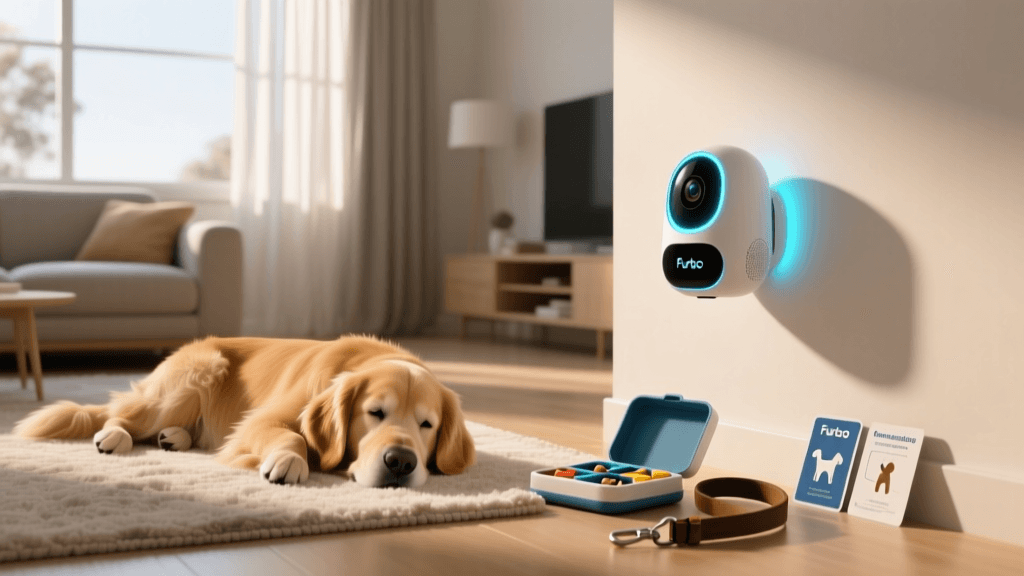
The Furbo 360 Pro remains the gold standard for monitoring and interacting with anxious dogs. Priced around $199, this device offers a rotating 360-degree view, ensuring you can track your dog's pacing patterns regardless of room layout. The most critical feature for separation anxiety is the AI-driven bark and anxiety alert system. In 2026, the Furbo app integrates seamlessly with smart home ecosystems via the Matter protocol, allowing you to set up automated routines. For example, if the camera detects prolonged whining or frantic movement, it can automatically trigger a smart plug to turn on a calming pheromone diffuser or play acoustic therapy music through your smart speakers. The treat-tossing function should only be used during the initial stages of desensitization to build positive associations with your departure, not to interrupt an active panic attack, which can inadvertently reinforce the frantic behavior.
2. App-Connected Interactive Puzzles
For dogs with mild isolation distress or those in the later stages of anxiety treatment, cognitive engagement is key. The Outward Hound Nina Ottosson Smart Dog Brick, updated for 2026 with Bluetooth connectivity, allows you to monitor how long your dog engages with the puzzle. A dog in a state of true panic will completely ignore high-value food puzzles. If your dog eats from the puzzle while you are gone, it is a strong indicator that their anxiety is manageable and they are below their stress threshold.
3. Adaptil Optimum Smart Diffusers
Pheromone therapy has advanced significantly. The Adaptil Optimum line now features smart diffusers that can be scheduled via smartphone apps to begin releasing synthetic dog-appeasing pheromones 30 minutes before your scheduled departure, preemptively lowering the dog's baseline arousal level before the trigger of you leaving even occurs.
The 4-Week Desensitization Protocol
Behavioral modification for separation anxiety relies on systematic desensitization and counterconditioning. The goal is to break the dog's predictive association with your departure cues and gradually build their tolerance for alone time. This requires immense patience and consistency. The Fear Free Happy Homes organization emphasizes that pushing a dog past their stress threshold during training will only sensitize them further, making the anxiety worse.
Step 1: Neutralizing Pre-Departure Cues
Dogs are masters of pattern recognition. Picking up your keys, putting on your shoes, or grabbing your coat are all triggers that spike your dog's cortisol levels before you even touch the doorknob. Spend the first week performing these actions at random times throughout the day without actually leaving. Pick up your keys, then sit on the couch and read a book. Put on your coat, then make dinner. This process, known as habituation, strips the predictive power from these cues.
Step 2: Micro-Departures and the Furbo Feedback Loop
Once pre-departure cues are neutralized, begin micro-departures. Step outside the door, close it, and immediately return. Use your Furbo 360 Pro to monitor your dog's reaction. If they remain relaxed, gradually increase the time outside by increments of three to five seconds. If the Furbo alerts you to barking or pacing, you have pushed too far, too fast. Return to a shorter duration where the dog was successful.
Step 3: Building Duration with Enrichment
As your dog tolerates absences of up to five minutes, introduce a high-value, long-lasting chew or a frozen Kong toy right before you leave. This creates a positive emotional response to your departure. The treat should be something they only receive when you are leaving, making your absence a predictor of good things rather than panic.
Graduated Absence Training Schedule
Below is a structured 4-week protocol designed for mild to moderate cases. Always adjust the timeline based on your dog's individual stress threshold.
| Week | Primary Focus | Target Absence Duration | Tech Integration & Enrichment | Success Metric |
|---|---|---|---|---|
| Week 1 | Neutralizing departure cues (keys, shoes, coats) | 0 minutes (In-home habituation) | None; focus on breaking predictive patterns | Dog ignores keys/coat when picked up |
| Week 2 | Micro-departures (stepping out and returning) | 1 second to 2 minutes | Furbo 360 Pro bark/anxiety alerts monitoring | Dog remains settled for 2 full minutes |
| Week 3 | Short absences with positive associations | 5 minutes to 15 minutes | Frozen Kong or Nina Ottosson Smart Puzzle | Dog actively engages with food toy |
| Week 4 | Building functional duration for daily errands | 20 minutes to 45 minutes | Adaptil Optimum diffuser + Acoustic therapy | Dog rests or sleeps; no vocalization |
Calming the Canine Nervous System
Beyond training, managing the physiological symptoms of anxiety is vital. In 2026, acoustic therapy remains a highly effective, non-invasive tool. Playlists specifically engineered with psychoacoustic principles, such as those found in the 'Through a Dog's Ear' series, utilize simplified classical music tempos that have been clinically shown to lower a dog's heart rate and reduce nervous system arousal. Pairing this audio with a calming compression garment like the ThunderShirt can provide deep pressure therapy, which stimulates the release of endorphins and promotes a sense of security.
When to Consult a Veterinary Behaviorist
It is important to recognize that severe separation anxiety often cannot be resolved with training and technology alone. If your dog is injuring themselves by breaking teeth on window frames, tearing out their own nails trying to escape crates, or refusing to eat for hours after you leave, it is time to seek professional help. A board-certified veterinary behaviorist can prescribe pharmacological support, such as selective serotonin reuptake inhibitors (SSRIs) like fluoxetine, or fast-acting situational medications like trazodone. These medications do not sedate the dog; rather, they lower the baseline anxiety enough for the brain to accept the behavioral modification training you are implementing.
"Medication is not a failure of training; it is a bridge that allows the dog's brain to learn new, safe associations. You cannot teach a drowning dog how to swim; you must first throw them a life preserver." - 2026 Guidelines on Canine Behavioral Pharmacology.
Conclusion: Patience and Consistency
Overcoming separation anxiety is a marathon, not a sprint. By combining the diagnostic power of smart cameras like the Furbo 360 Pro with a meticulous, science-backed desensitization protocol, you can help your dog build the confidence they need to feel safe when home alone. Remember to celebrate the small victories, respect your dog's emotional limits, and lean on the advanced tools and veterinary resources available in 2026 to guide your journey toward a calmer, happier household.
priya-sutaria
All our authors care for dogs every day — read more of their work on the authors page.