Azawakh Dog Breed Behavior and Primitive Instincts Guide 2026
Discover the Azawakh's unique psychology, primitive guarding instincts, and sighthound behavior. Learn how to train this rare African breed in 2026.
The Azawakh: A Glimpse into Primitive Sighthound Psychology
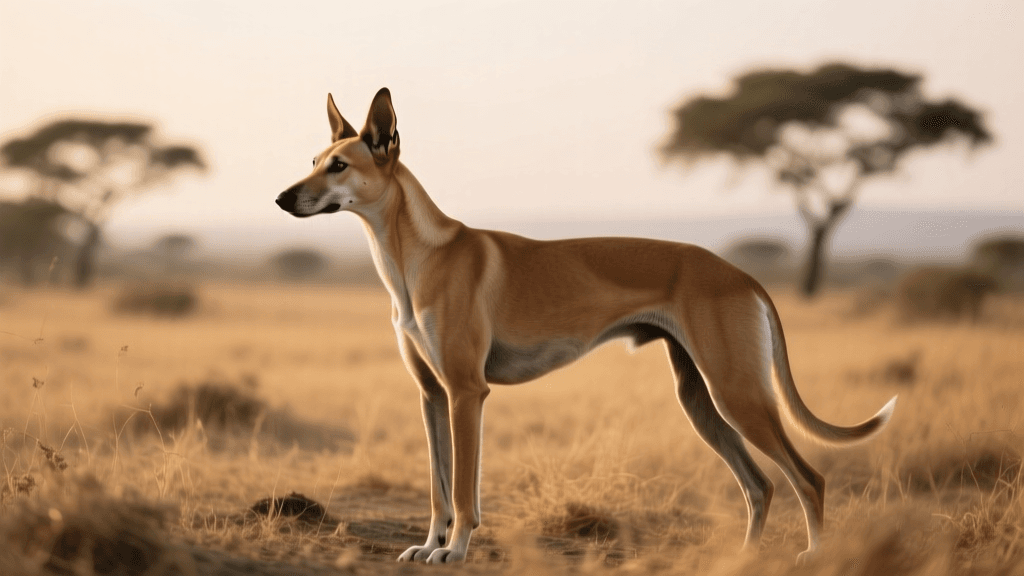
When you bring an Azawakh into your home, you are not just adopting a dog; you are inviting a piece of ancient Saharan history into your living room. Originating from the Sahel region of West Africa—specifically Mali, Niger, and Burkina Faso—the Azawakh was bred by the Tuareg nomads to serve as a multi-purpose desert dog. Unlike Western sighthounds that were developed strictly for coursing and racing, the Azawakh was a camp guardian, a hunter, and a loyal companion. Understanding this unique lineage is absolutely critical for modern owners in 2026 who wish to successfully integrate this exotic breed into contemporary households.
The psychology of the Azawakh is deeply rooted in survival. In the harsh desert environment, a dog had to be fiercely independent, highly alert, and deeply bonded to its human 'pack' while remaining inherently suspicious of outsiders. According to the American Kennel Club (AKC), this breed possesses a complex temperament that combines the aloofness of a cat with the fierce loyalty of a livestock guardian. To truly understand your Azawakh, you must look past typical dog training paradigms and embrace a methodology that respects their primitive instincts.
Decoding the Azawakh's Unique Behavioral Traits
The Feline Independence
If you expect a Golden Retriever's eager-to-please demeanor, the Azawakh will leave you bewildered. These dogs are famously independent. They do not live to serve; they live to coexist. They will often choose to sit in the same room as you, keeping a watchful eye on the perimeter, rather than curling up in your lap. This is not a sign of a lack of affection, but rather a manifestation of their ancestral job: a guardian cannot be distracted by cuddles when the safety of the camp is at stake.
Pack Mentality and Separation Anxiety
Despite their independence from strangers, Azawakhs form incredibly intense bonds with their immediate family unit. In the Sahel, they slept in close contact with their nomadic owners for warmth and protection. Consequently, modern Azawakhs are highly prone to separation anxiety if left isolated for long periods. In 2026, canine behaviorists strongly recommend that Azawakh owners utilize interactive pet cameras and automated treat dispensers to mitigate stress during short absences, while avoiding leaving the dog alone for more than four to six hours at a time.
The 'Alert and Guard' Instinct
Most sighthounds will run from a threat; the Azawakh will stand its ground. This is the most distinguishing psychological trait of the breed. When an unfamiliar person or animal approaches their territory, an Azawakh will emit a deep, resonant bark and position itself between the threat and its family. They are not inherently aggressive without cause, but they are profoundly territorial. The Azawakh Club of America emphasizes that early, structured socialization is mandatory to teach the dog how to differentiate between a genuine threat and a harmless delivery driver.
Body Language and Communication Signals
Because the Azawakh is a primitive breed, their body language is often more subtle and nuanced than that of highly domesticated companion breeds. Learning to read these signals is vital for preventing behavioral misunderstandings.
- The Ear Flick and Swivel: An Azawakh's large, mobile ears act as radar dishes. A relaxed dog will have ears resting to the side. If the ears swivel forward and stiffen, the dog has detected a sound or movement and is assessing the threat level.
- The High Tail Carriage: Unlike many breeds that tuck their tails when nervous, an alert Azawakh will raise its tail high over its back. This signals confidence and readiness to act.
- Vocalizations: They are generally quiet dogs indoors but possess a unique vocal repertoire outdoors. They rarely bark without a reason, but they are known to 'howl' or 'roo' when excited or when communicating with other dogs over long distances.
- The 'Stalk and Freeze': Triggered by their sighthound prey drive, an Azawakh will drop its head, lock its eyes on a target (like a squirrel or a distant runner), and freeze its body entirely before exploding into a sprint.
Managing Prey Drive and Environmental Triggers
The Azawakh's prey drive is explosive and non-negotiable. If they see something run, their instinct is to chase and catch. This makes off-leash recall in unfenced areas exceptionally dangerous and generally not recommended, regardless of how much positive reinforcement training you have applied.
To safely manage an Azawakh in 2026, physical containment and modern technology are your best tools. You must invest in a secure, physical fence. Because they are athletic jumpers and climbers, a standard 4-foot fence is insufficient. You need a minimum 6-foot privacy fence to prevent visual triggers from the street. As of 2026, the national average cost to install a 6-foot wooden privacy fence ranges from $45 to $85 per linear foot. For a standard quarter-acre yard, expect to invest between $9,000 and $17,000 for professional installation.
Additionally, equipping your Azawakh with a high-end GPS tracking collar is a non-negotiable safety measure. Models like the Fi Series 3 or the latest Tractive GPS 5 offer real-time escape alerts and boundary tracking, providing peace of mind in the event of an accidental gate latch failure.
Socialization Strategies for an Aloof Guardian
Socializing an Azawakh is not about teaching them to love everyone; it is about teaching them to remain neutral and calm in the presence of strangers. Forced interactions will only increase their suspicion and defensive behaviors.
The 90-Day Integration Timeline
- Days 1-14 (Decompression): Allow the dog to acclimate to the home environment. Keep introductions to immediate family only. Use high-value treats (like freeze-dried liver) to build positive associations with the new space.
- Days 15-30 (Passive Observation): Take the dog to low-traffic parks or outdoor cafes. Sit at a distance where the dog can observe strangers and other dogs without reacting. Reward calm, neutral behavior.
- Days 31-60 (Controlled Introductions): Invite one or two calm, dog-savvy friends to your home. Instruct guests to completely ignore the dog—no eye contact, no talking, no touching. Allow the Azawakh to approach and sniff on its own terms.
- Days 61-90 (Environmental Enrichment): Introduce the dog to new surfaces, sounds, and urban environments. Use scent-work games and snuffle mats to build confidence and engage their natural foraging instincts.
Data Table: Azawakh vs. Other Sighthounds
To better understand where the Azawakh fits within the broader sighthound family, it is helpful to compare their behavioral traits against more common breeds like the Greyhound and the Saluki.
| Behavioral Trait | Azawakh | Greyhound | Saluki |
|---|---|---|---|
| Primary Ancestral Role | Camp Guardian & Hunter | Coursing & Racing | Desert Hunting |
| Guarding Instinct | Very High | Very Low | Low to Moderate |
| Stranger Tolerance | Aloof / Suspicious | Friendly / Indifferent | Aloof / Reserved |
| Prey Drive Intensity | High (Visual & Scent) | High (Visual) | Very High (Visual) |
| Independence Level | Extreme | Moderate | High |
| Separation Anxiety Risk | High (Pack Bonded) | Low to Moderate | Moderate |
Conclusion: Embracing the Wild Within
Living with an Azawakh in 2026 requires a profound shift in human expectations. You are not molding a compliant pet; you are negotiating a partnership with a primitive, highly intelligent survivor. By respecting their need for a secure territory, understanding their unique body language, and providing structured, pressure-free socialization, you will unlock a level of loyalty and companionship that is entirely unique to this magnificent West African breed. They are not the right dog for everyone, but for the dedicated student of canine behavior, the Azawakh is a deeply rewarding, living link to the ancient world.
robin-maitland
All our authors care for dogs every day — read more of their work on the authors page.