Azawakh Dog Breed Profile: Understanding Sighthound Psychology 2026
Discover the unique psychology, pack instincts, and aloof nature of the exotic Azawakh sighthound. Learn how to train this rare West African breed in 2026.
The Enigmatic Azawakh: A Brief Introduction to the West African Sighthound
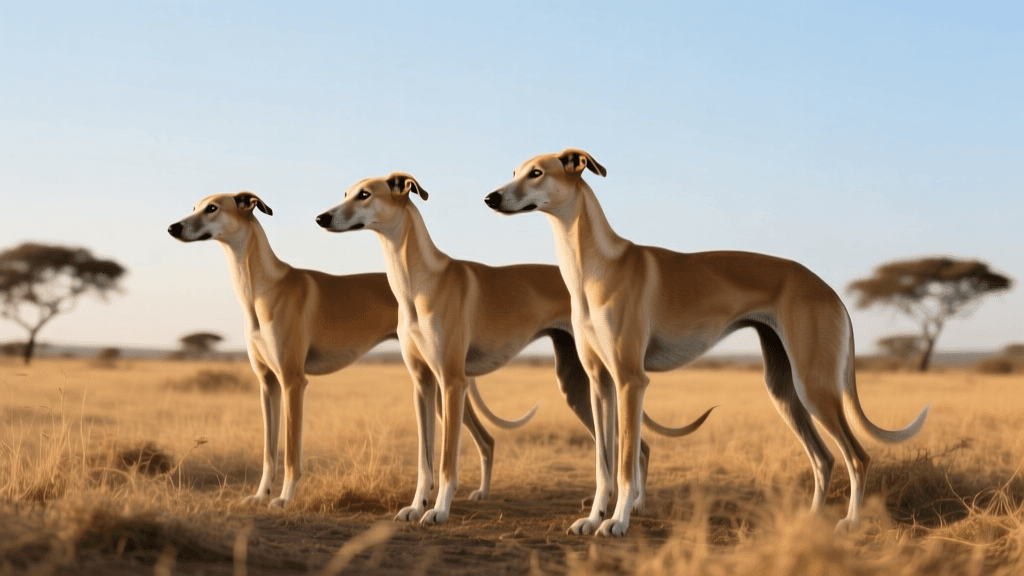
As we navigate the evolving landscape of exotic dog ownership in 2026, the Azawakh remains one of the most captivating and psychologically complex breeds in the canine world. Originating from the harsh, unforgiving Sahel region of West Africa—specifically Mali, Niger, and Burkina Faso—this elegant sighthound was historically bred by the Tuareg nomads. Unlike many Western breeds developed solely for companionship or specific sporting tasks, the Azawakh served a dual purpose: hunting fast-moving desert game and fiercely guarding nomadic camps. To truly understand the Azawakh today, we must look past their striking, greyhound-like silhouette and delve into the ancient survival instincts that govern their behavior.
According to the American Kennel Club, the Azawakh is defined by a temperament that is 'affectionate, loyal, and aloof.' This seemingly contradictory description is the key to unlocking their psychology. They are not universally friendly dogs; rather, their social energy is intensely conserved for their immediate 'pack.' For modern owners in 2026, understanding this evolutionary trait is the difference between a harmonious household and a deeply misunderstood pet.
Decoding Azawakh Psychology: Independence vs. Pack Bonding
The Feline Aloofness Explained
Behaviorists often compare the Azawakh’s temperament to that of a cat. They are deeply observant, highly independent, and generally uninterested in pleasing strangers. In the context of their ancestral environment, indiscriminate friendliness was a liability. A camp guardian that welcomed unknown humans or wild predators would not survive the Sahel. Consequently, the modern Azawakh possesses a neurological hardwiring that categorizes the world into two distinct groups: 'the pack' and 'the unknown.' When a stranger enters an Azawakh’s territory, the dog will typically exhibit a cold, watchful distance. They do not seek physical affection from outsiders, and forcing interaction can trigger severe stress responses. Understanding this boundary-setting behavior is crucial for owners; it is not 'bad' behavior, but rather a perfectly executed ancient survival protocol.
Fierce Loyalty and the Guardian Instinct
While aloof with strangers, the Azawakh forms profound, almost telepathic bonds with their human family. This breed thrives on physical proximity and will often follow their primary caretaker from room to room, resting against their legs or leaning their weight into them. This pack-bonding instinct also manifests as a formidable guardian drive. The Fédération Cynologique Internationale (FCI) breed standard explicitly notes their protective nature. In a 2026 suburban setting, this means the Azawakh is highly attuned to environmental anomalies. A delivery driver, a passing jogger, or an unfamiliar dog approaching the fence line will trigger their guardian instincts. They are not typically aggressive biters without cause, but they are formidable intimidators, using their height, speed, and vocal warnings to establish a perimeter.
Prey Drive, Visual Triggers, and 2026 Technology
Like all sighthounds, the Azawakh possesses a specialized visual cortex designed to detect motion at vast distances. Their eyes, positioned on the sides of their elongated skulls, provide a field of vision of up to 270 degrees, compared to the human field of roughly 180 degrees. When an Azawakh spots a squirrel, a deer, or even a blowing plastic bag at a distance, their predatory motor sequence—eye, stalk, chase, grab, kill—is instantly activated. This is not a behavior that can be 'trained out' of the dog; it is an involuntary neurological reflex.
Managing this intense prey drive in 2026 requires a combination of environmental management and advanced technology. Off-leash recalls in unsecured areas are highly discouraged by veterinary behaviorists. Even the most well-trained Azawakh will lose all hearing capability once the chase instinct engages. Modern owners are increasingly relying on advanced GPS and biometric tracking collars to manage their dogs in large, secure private fields. Devices like the latest 2026 Garmin Alpha 300 series or Tractive biometric monitors allow owners to track their dog's exact location and monitor their heart rate spikes, providing data on what environmental triggers are causing the most arousal. For safe outlet of their running instincts, organizations like the American Sighthound Field Association (ASFA) offer lure coursing, which allows the Azawakh to safely engage their chase drive in a controlled, simulated hunting environment.
Communication and Body Language of the Azawakh
Because the Azawakh is a visually oriented breed, they communicate primarily through subtle shifts in posture, ear carriage, and tail positioning. Misreading these signals is a common pitfall for owners accustomed to more overtly expressive breeds like Labrador Retrievers. Below is a breakdown of common Azawakh body language signals and their psychological meaning.
| Physical Signal | Context / Trigger | Psychological Meaning |
|---|---|---|
| Ears pinned flat back, tight lips | Unfamiliar person approaching quickly | Defensive anxiety; preparing to flee or snap if cornered. |
| High, stiff tail; forward-leaning posture | Strange dog entering visual perimeter | Alertness and territorial assertion; assessing a potential threat. |
| Soft eyes, relaxed ears, leaning weight | Resting with primary owner | Deep pack bonding, trust, and environmental security. |
| Intense stare, frozen body, twitching muzzle | Small animal movement in the distance | Predatory sequence initiated; high risk of bolting. |
| Slow blinking, turning head away | Owner using loud voice or harsh correction | Appeasement signal; stress response to perceived conflict. |
Modern Training Strategies for Exotic Sighthounds
The psychology of the Azawakh demands a complete rejection of outdated, dominance-based training methods. Because they are highly sensitive and possess a strong sense of self-preservation, aversive tools like shock collars or prong collars will rapidly destroy the trust they have in their handler. An Azawakh that fears its owner will not obey; it will simply shut down or become defensively reactive.
Socialization Protocols for Rare Breeds
Socializing an Azawakh in 2026 is less about teaching them to 'love everyone' and more about teaching them to 'remain neutral.' The goal of early socialization (from 8 to 16 weeks of age) is to expose the puppy to diverse sights, sounds, and surfaces without forcing interaction.
- Neutral Observation: Sit on a park bench at a distance from foot traffic and reward the puppy with high-value treats (like freeze-dried liver) simply for watching people pass by calmly.
- Consent Testing: When a stranger wishes to pet the dog, instruct them to ignore the dog entirely. Allow the Azawakh to initiate the sniff. If the dog chooses to walk away, respect their boundary immediately.
- Desensitization to Handling: Because they are a guarding breed, Azawakhs can be sensitive to veterinary exams. Practice cooperative care techniques at home, using a 'chin rest' or 'bucket target' to give the dog a sense of control during grooming and health checks.
Recall and Impulse Control
Teaching a reliable recall to an Azawakh is a lifelong project. While they possess high intelligence, their motivation to chase prey will almost always outweigh their motivation to return for a treat. Therefore, training must focus on impulse control games rather than open-field recalls. 'Wait' commands at doorways, 'leave it' exercises with high-value toys, and engaging flirt-pole sessions where the dog is taught to 'drop' the lure on command are essential. These activities build the neurological pathways required for impulse control without risking the dog's safety in an unsecured environment.
Health, Longevity, and Behavioral Links
Behavior cannot be separated from physical health. The Azawakh is a remarkably healthy, ancient breed with a lifespan frequently extending into the mid-teens. However, their incredibly low body fat percentage (often less than 10%) and unique musculature mean they are highly sensitive to cold and anesthesia. In 2026, veterinary behaviorists emphasize the importance of environmental comfort in maintaining behavioral stability. An Azawakh that is chronically cold will exhibit signs of irritability, pacing, and an inability to settle. Providing orthopedic, heated bedding and utilizing well-fitted canine outerwear during winter walks is not a luxury; it is a behavioral necessity.
Furthermore, their deep-chested conformation puts them at risk for Gastric Dilatation-Volvulus (GDV), or bloat. The stress and anxiety associated with this condition can cause sudden behavioral changes, including restlessness and uncharacteristic aggression. Owners must be vigilant about feeding protocols, utilizing slow-feeder bowls and enforcing a strict one-hour rest period before and after meals to mitigate this risk.
Conclusion: Embracing the Wild Heart
Owning an Azawakh is not for the novice dog enthusiast. They are a window into the ancient, untamed history of canine evolution. To live with an Azawakh is to accept a companion who is fiercely independent, deeply observant, and selectively affectionate. By understanding their psychological need for pack security, respecting their visual prey drive, and utilizing modern, force-free training methodologies, owners can forge an unbreakable bond with one of the world's most extraordinary and exotic sighthounds. In 2026, as we continue to learn more about canine cognition, the Azawakh stands as a beautiful reminder that some dogs are not meant to be entirely tamed, but rather deeply understood.
hannah-wickes
All our authors care for dogs every day — read more of their work on the authors page.