Azawakh Dog Breed Profile: Behavior & Instincts Guide 2026
Discover the unique psychology, guarding instincts, and body language of the rare Azawakh sighthound in our comprehensive 2026 breed behavior guide.
The Enigma of the Sahel: Understanding the Azawakh
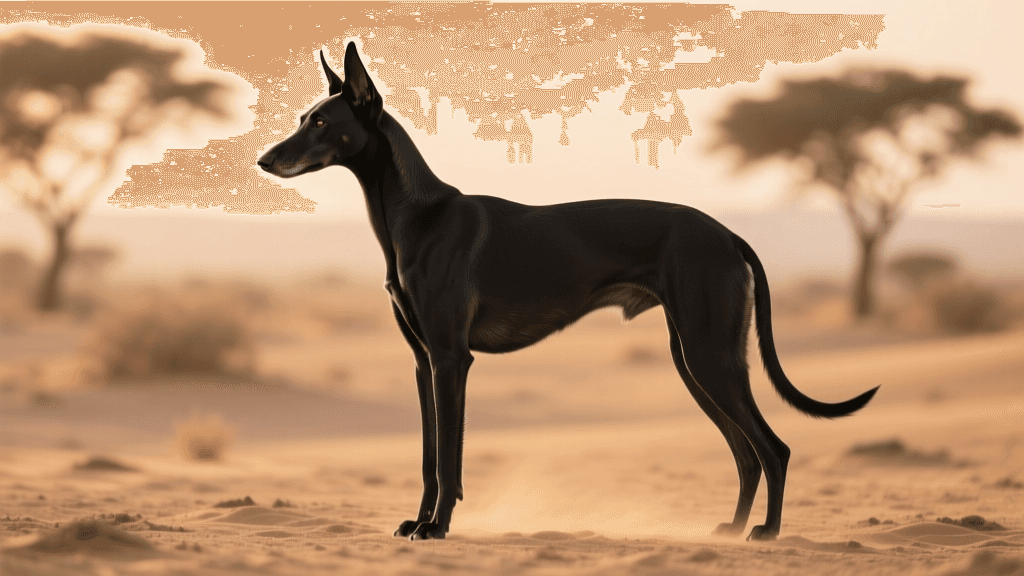
When discussing exotic and international dog breeds, few capture the imagination quite like the Azawakh. Originating from the harsh, unforgiving Sahel region of West Africa—specifically Mali, Niger, and Burkina Faso—this elegant sighthound was bred by the nomadic Tuareg people not merely as a pet, but as a vital survival tool. Unlike Western breeds that have been selectively bred for centuries to prioritize companionship and biddability, the Azawakh has been shaped by the brutal realities of desert survival. As of 2026, the Azawakh remains a rare sight in North America and Europe, yet its popularity among dedicated sighthound enthusiasts continues to grow. Understanding this breed requires a profound shift in perspective. You are not just adopting a dog; you are welcoming a desert guardian into your home. According to the Fédération Cynologique Internationale (FCI), the Azawakh is defined by its "feline" grace, extreme loyalty to its pack, and an inherent aloofness toward strangers. To successfully integrate an Azawakh into a modern household, owners must deeply understand the psychology, body language, and primal instincts that drive this magnificent creature.
The Psychology of a Desert Guardian
The Azawakh is fundamentally a guardian and a hunter. In the Sahel, these dogs were tasked with protecting nomadic camps from predators and hostile intruders while also coursing swift desert game like gazelles. This dual purpose has forged a complex psychological profile. They are intensely loyal to their immediate family (their "pack") but are famously aloof, and sometimes highly suspicious, of strangers. This is not aggression born of fear, but rather a calculated, ancestral wariness. In a modern urban or suburban environment, this guarding instinct can manifest as territorial behavior. They are excellent watchdogs, possessing a deep, resonant bark that they use to alert their owners to any perceived anomaly in their territory.
Unlike the Golden Retriever or the Labrador, the Azawakh does not live to please the masses. They are independent thinkers, often described as having a "cat-like" demeanor. They will seek out physical affection on their own terms, often leaning their considerable weight against their favorite human or resting their long head on a lap. However, they do not typically enjoy being fussed over by strangers or children. Understanding this boundary is crucial; forcing an Azawakh into unwanted social interactions can damage their trust and trigger defensive behaviors. The American Kennel Club (AKC) emphasizes that the Azawakh forms profound, almost telepathic bonds with their primary caregivers, making them deeply empathetic to the emotional states of their owners.
Decoding Azawakh Body Language
Because the Azawakh is a highly visual and physical communicator, learning to read their subtle body language is essential for any owner. Sighthounds rely on split-second visual cues to coordinate hunts and establish social hierarchies, and the Azawakh is no exception.
The Alert Stance and Ear Carriage
When an Azawakh detects something of interest—or a potential threat—they will shift into an alert stance. Their weight will transfer to their front legs, their neck will elongate, and their large, drop-shaped ears will pivot forward and lift slightly at the base. If the ears are pinned flat against the skull, it is a sign of extreme stress, fear, or preparation for a defensive reaction. A relaxed Azawakh will have ears hanging naturally close to the cheeks.
Tail Communication
The tail of an Azawakh is a primary indicator of their emotional state. A low, gently curved tail indicates a relaxed, neutral state. When alerted or excited, the tail may rise to the level of the back or slightly above. However, a tail tucked tightly between the legs signals deep anxiety or submission. Unlike some spitz breeds that carry their tails curled over their backs, a healthy, confident Azawakh should never have a tightly curled tail resting on the hip.
The Sighthound Stare and Vocalization
Azawakhs are highly visual predators. When they lock onto a moving object—be it a squirrel, a cyclist, or a distant dog—they will exhibit the "sighthound stare." Their body will go completely rigid, their eyes will widen, and their breathing may temporarily cease. This is the precursor to a prey-drive explosion. Furthermore, while they are generally quiet indoors, they possess a unique vocal repertoire. They use a low, rumbling growl to communicate boundaries, and a high-pitched, almost howling bark when separated from their pack or when alerting to distant noises.
Managing High Prey Drive and Guarding Instincts
The Azawakh's prey drive is among the highest in the canine world. Bred to chase down gazelles in deep sand, their explosive speed and relentless pursuit instinct are hardwired. Managing this in a 2026 suburban environment requires strict, non-negotiable safety protocols.
Secure Containment Strategies
Standard fencing is entirely inadequate for an Azawakh. They are phenomenal athletes capable of scaling or jumping impressive heights. A physical fence must be a minimum of 6 feet tall, with no horizontal crossbars that could serve as a ladder. Furthermore, underground electric fences are completely useless and highly dangerous for sighthounds. An Azawakh's prey drive will easily override the momentary pain of a shock collar; they will bolt through the boundary to chase a deer and then be unable or unwilling to return through the barrier. In 2026, utilizing advanced GPS tracking collars (such as the latest Tractive or Fi models) is a mandatory backup safety measure, but it should never replace secure physical containment.
Recall Training Realities
Off-leash reliability is a myth for the vast majority of Azawakhs. Even with years of positive reinforcement training, the sight of a fleeing animal will trigger an instinctual override. Safe exercise must be confined to fully enclosed, sighthound-safe paddocks or secure dog parks. When hiking, they must be kept on a sturdy, hands-free bungee leash that can absorb the shock of a sudden lunge without injuring the dog's delicate neck or the owner's spine.
Socialization Protocols for Exotic Sighthounds
Because of their natural wariness, early and ongoing socialization is critical for the Azawakh. The critical socialization window (between 3 and 14 weeks of age) must be utilized to expose the puppy to a wide variety of sights, sounds, surfaces, and types of people. However, socialization for an Azawakh does not mean teaching them to love everyone; it means teaching them to remain neutral and calm in the presence of strangers and novel stimuli.
Use high-value treats (such as freeze-dried liver or boiled chicken) to create positive associations with new environments. If your Azawakh shows signs of stress, do not force the interaction. Allow them to observe from a distance, rewarding calm behavior. This "engage-disengage" protocol helps build their confidence without overwhelming their nervous system.
Breed Comparison: Azawakh vs. Other Sighthounds
To better understand where the Azawakh fits within the sighthound family, it is helpful to compare their behavioral traits to more common breeds. The table below outlines the key psychological and instinctual differences.
| Trait | Azawakh | Greyhound | Whippet | Saluki |
|---|---|---|---|---|
| Primary Origin | Sahel (West Africa) | United Kingdom | United Kingdom | Fertile Crescent / Middle East |
| Primary Instinct | Guarding & Coursing | Sprinting / Racing | Coursing / Companionship | Endurance Coursing |
| Stranger Tolerance | Low (Aloof/Guarding) | High (Friendly/Indifferent) | High (Friendly) | Medium (Aloof) |
| Prey Drive Intensity | Extreme | High | High | Extreme |
| Territoriality | High | Low | Low | Medium |
| Trainability | Moderate (Independent) | Moderate (Food motivated) | High (Eager to please) | Low (Highly Independent) |
Modern Care Standards for 2026
Owning an exotic breed like the Azawakh requires specialized care that goes beyond standard dog ownership. Their unique physiology demands specific veterinary and environmental considerations.
Anesthesia Sensitivity
Like many sighthounds, Azawakhs have very low body fat and a unique metabolism that makes them highly sensitive to standard barbiturate anesthetics. It is imperative to work with a veterinarian who is explicitly experienced with sighthound anesthesia protocols in 2026. Using standard dosages can lead to prolonged recovery times or fatal complications. Always confirm your vet's sighthound experience before any surgical procedure, including routine dental cleanings.
Temperature Regulation
The Azawakh is built for the searing heat of the Sahel but possesses almost no insulating body fat or undercoat. While they tolerate heat exceptionally well, they are profoundly sensitive to cold and damp weather. In temperate or northern climates, an Azawakh will require a wardrobe of well-fitted canine coats for outdoor winter excursions. Indoors, they will actively seek out heat sources, often claiming space heaters, heated dog beds, or burrowing under heavy duvets to maintain their core body temperature.
Nutritional Requirements
As a deep-chested breed, the Azawakh is at a higher risk for Gastric Dilatation-Volvulus (GDV), commonly known as bloat. Current 2026 veterinary guidelines recommend feeding them high-quality, protein-rich diets with low carbohydrate content, split into two or three smaller meals a day rather than one large meal. Avoid vigorous exercise for at least an hour before and after eating to mitigate the risk of this life-threatening condition.
Conclusion
The Azawakh is not a dog for the novice owner, nor is it a breed that thrives in a chaotic, high-traffic household. They are ancient, noble creatures that demand respect, patience, and a deep understanding of their primal instincts. For the right owner, however, the Azawakh offers a companionship unlike any other—a silent, fierce loyalty and a profound emotional connection that bridges thousands of years of desert history. By respecting their boundaries, managing their environment, and honoring their unique psychology, you can provide a fulfilling life for one of the world's most magnificent and exotic sighthounds.
priya-sutaria
All our authors care for dogs every day — read more of their work on the authors page.