Best Puppy Breeds For Remote Workers In 2026: Top 5 Picks
Discover the best puppy breeds for remote workers in 2026. Learn how breed psychology and instincts impact your work-from-home productivity and focus.
The Psychology of the Work-From-Home Dog in 2026
As we navigate the evolving landscape of remote and hybrid work in 2026, the home office has transformed from a temporary setup into a permanent, shared ecosystem. For dog owners, this means our canine companions are no longer just waiting for us to return from a nine-to-five; they are active participants in our daily professional lives. However, not every dog is psychologically equipped to handle the unique environment of a home office. Understanding the behavioral instincts, arousal thresholds, and environmental reactivity of different breeds is crucial for maintaining both your productivity and your dog's mental well-being.
When selecting a puppy for a remote work lifestyle, the primary psychological factor to consider is environmental reactivity. Dogs with high reactivity and strong territorial instincts may view every passing delivery drone, neighborhood dog, or ringing doorbell as a threat requiring a vocal response. Conversely, breeds with low arousal thresholds and a history of companion or independent work are far more likely to sleep peacefully under your desk while you lead a virtual meeting. In this guide, we explore the best puppy breeds for remote workers, analyzing the psychological traits that make them ideal home-office partners.
Why Breed Instincts Matter for Deep Work
Canine psychology is deeply rooted in breed history. Herding breeds, such as Border Collies or Australian Shepherds, possess a high 'working drive' and an instinct to control movement. In a home office, this can manifest as pacing, nipping at children running down the hall, or intense staring during your Zoom calls. While highly intelligent, these breeds require constant mental stimulation and physical outlets that a standard workday cannot provide.
On the other hand, breeds developed for companionship, drafting, or low-intensity scent work possess psychological traits that align perfectly with the sedentary, focus-heavy nature of remote work. They offer 'social buffering'—providing a calming, grounding presence without demanding constant interaction. Let us examine the top five breeds whose psychological profiles make them the ultimate remote work companions in 2026.
Top 5 Puppy Breeds for Remote Workers
1. The Greyhound: The 45-MPH Couch Potato
Despite their reputation as elite racing dogs, Greyhounds are psychologically classified as sprint predators, not endurance athletes. This means their energy is expended in short, intense bursts, followed by up to 18 hours of deep sleep. Psychologically, they are incredibly low-reactive to indoor stimuli. A Greyhound is highly unlikely to bark at a notification ping or a doorbell. Their independent yet affectionate nature means they are perfectly content to curl up on an orthopedic bed in the corner of your office, providing a quiet, calming presence without demanding your attention during deep work blocks.
2. The Basset Hound: The Stubborn Scent Tracker
Basset Hounds were bred for slow, methodical scent tracking. Their psychological profile is characterized by a low arousal threshold and a high degree of stubbornness. While this can make obedience training a test of patience, it makes them exceptional home-office dogs. They are not easily startled and lack the neurotic vigilance of terriers. A Basset Hound will happily anchor themselves beneath your desk, snoring softly through your most intense quarterly reviews. Their primary need is a daily sniffari (a slow, scent-focused walk) to satisfy their tracking instincts before you log on for the day.
3. The Cavalier King Charles Spaniel: The Ultimate Social Buffer
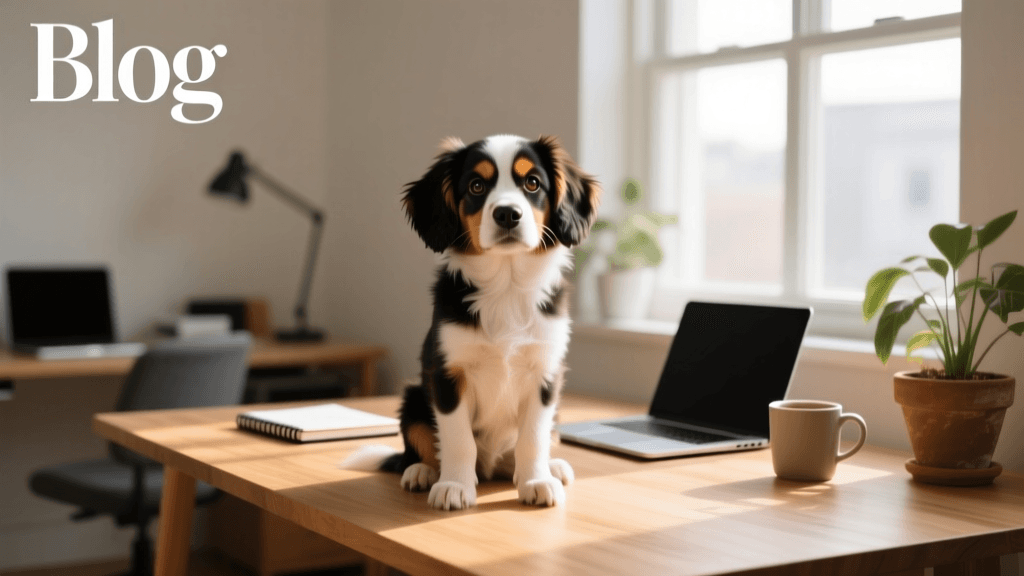
Bred exclusively for companionship, the Cavalier King Charles Spaniel thrives on proximity rather than activity. Their psychology is centered around 'pack orientation' and social bonding. They are the quintessential 'Velcro dogs,' but unlike anxious Velcro breeds, Cavaliers possess a stable, easygoing temperament. They do not require a job to do; their job is simply to be near you. For remote workers who suffer from screen fatigue or isolation, a Cavalier provides immediate tactile comfort and emotional regulation during breaks, without the high-strung energy of smaller toy breeds.
4. The Bichon Frise: The Cheerful Companion
The Bichon Frise was historically favored by nobility for their cheerful, adaptable dispositions. Psychologically, they are alert and observant but lack the aggressive territoriality of guard dogs. They are highly attuned to their owner's emotional state, making them excellent emotional support animals for high-stress remote jobs. Furthermore, their low-shedding coats make them ideal for indoor environments, keeping your workspace clean. They are playful during your lunch break but easily settle down when they sense you are focusing on a task.
5. The Bernese Mountain Dog: The Grounding Giant
Originally bred as draft dogs in the Swiss Alps, Bernese Mountain Dogs possess a calm, observant, and deeply loyal psychological makeup. They are not easily spooked by sudden noises, making them immune to the chaos of household interruptions. Their large size and grounding presence can be incredibly soothing for remote workers dealing with high anxiety. While they do require moderate daily exercise to maintain joint health, their indoor demeanor is famously placid. They prefer to lean against your leg while you work, offering silent, steadfast support.
Comparison Chart: WFH Breed Temperament & Needs
| Breed | Energy Level | Bark Drive | Independence vs. Velcro | Best WFH Setup |
|---|---|---|---|---|
| Greyhound | Low (Indoor) | Very Low | Independent but Affectionate | Large orthopedic bed in a quiet corner |
| Basset Hound | Low | Low (Howls occasionally) | Moderately Independent | Under-desk mat with scent-work toys |
| Cavalier King Charles | Moderate | Low | Extreme Velcro | Chair-side bed or lap during breaks |
| Bichon Frise | Moderate | Moderate (Alert barking) | Velcro but Adaptable | Window-adjacent bed with puzzle feeders |
| Bernese Mountain Dog | Moderate | Low | Loyal & Grounding | Spacious floor mat near your feet |
Setting Up a Canine-Friendly Home Office
Understanding your dog's psychology is only half the equation; the physical environment must also support their natural instincts. In 2026, ergonomic setups for pets are just as important as standing desks for humans. To prevent restlessness during long meetings, incorporate passive enrichment into your office space.
- For Scent Hounds (Bassets): Utilize a snuffle mat or a frozen Kong Classic filled with low-calorie bone broth. This satisfies their foraging instinct silently, keeping them occupied for hours.
- For Companion Breeds (Cavaliers, Bichons): Invest in a heated pet bed or a thermal mat. These breeds seek warmth and physical comfort, and a heated bed mimics the feeling of resting against you, reducing anxiety when you are busy.
- For Sighthounds (Greyhounds): Provide elevated, orthopedic bedding. Sighthounds have low body fat and prominent joints; hard floors will cause them to shift and sigh loudly. A thick memory foam bed ensures they remain stationary and comfortable.
Pro Tip: Use a white noise machine or a smart speaker playing canine-specific calming frequencies (like reggae or soft classical, which studies show lower canine heart rates) to mask the sound of outdoor deliveries and neighborhood noise, preventing reactive barking during your calls.
The Hybrid Reality: Preventing Separation Anxiety
Even if you work from home five days a week, the modern 2026 workplace often requires occasional in-office collaboration, client dinners, or weekend travel. A common psychological pitfall for remote workers is inadvertently fostering severe separation anxiety by never allowing their puppy to experience solitude. According to the American Kennel Club, dogs that are constantly in the presence of their owners can experience extreme panic when left alone, leading to destructive behavior and vocalization.
To build psychological resilience, you must practice 'structured independence' from the day you bring your puppy home. Use baby gates to separate your office from the living room for short periods, even when you are home. Provide high-value chews, like yak milk chews or bully sticks, to create a positive association with alone time. The ASPCA highly recommends gradual desensitization to departure cues—such as picking up your keys or putting on your shoes—without actually leaving the house, to prevent your dog from triggering an anxiety response before you even walk out the door.
Managing Environmental Reactivity in the Smart Home
Our homes are smarter than ever, but the constant pinging of smart appliances, robotic vacuums, and automated door locks can overstimulate a dog's nervous system. Breeds with high 'alert drives' may view the robotic vacuum as a persistent intruder, leading to chronic stress and barking. When choosing a breed for a highly automated smart home, prioritize dogs with low startle responses, like the Bernese Mountain Dog or the Greyhound. Furthermore, schedule automated devices to run while you are taking your dog on their daily walk, ensuring the home environment remains a sanctuary of calm during your working hours.
Conclusion: Aligning Instincts with Your Lifestyle
The key to a harmonious work-from-home experience lies in respecting canine psychology. By choosing a breed whose natural instincts align with the sedentary, focus-driven nature of remote work, you set both yourself and your dog up for success. Whether you opt for the silent companionship of a Greyhound, the cheerful adaptability of a Bichon, or the grounding presence of a Bernese, understanding their behavioral needs will transform your home office into a shared space of productivity and peace. For more comprehensive resources on canine behavioral health and temperament, the American Veterinary Medical Association offers excellent guidelines on matching dog temperaments to household lifestyles.
aaron-whyte
All our authors care for dogs every day — read more of their work on the authors page.