Azawakh Behavior Guide 2026: Understanding the African Sighthound
Discover the unique psychology, body language, and guarding instincts of the Azawakh in our 2026 breed profile. Learn how to bond with this rare sighthound.
Introduction to the Azawakh: A Rare Sahelian Treasure
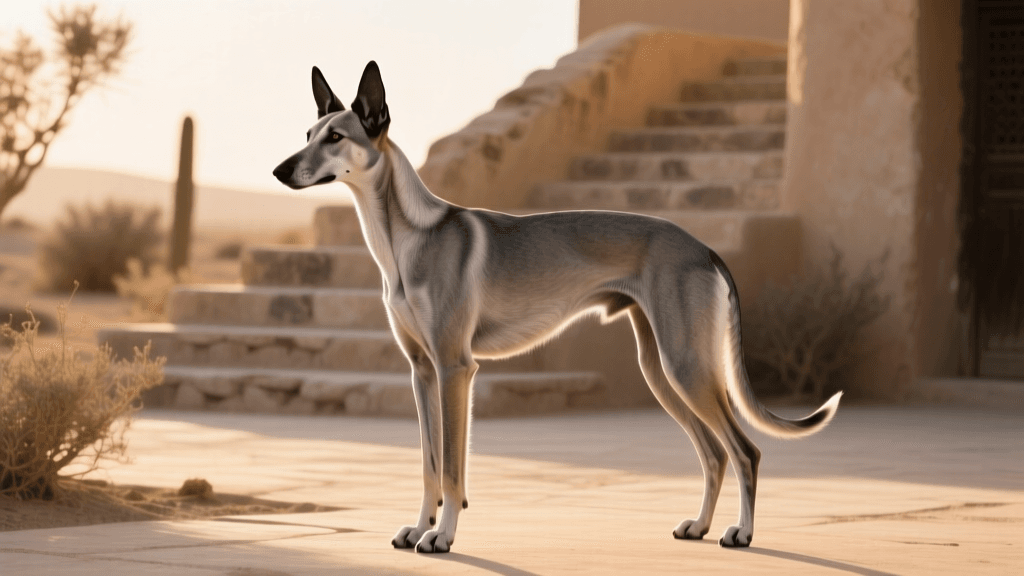
As we navigate the diverse landscape of canine companionship in 2026, the Azawakh remains one of the most captivating and misunderstood exotic breeds in the world. Originating from the harsh, arid Sahel region of West Africa—specifically Mali, Niger, and Burkina Faso—this elegant sighthound was traditionally bred by the Tuareg nomads. Unlike many Western breeds that have been heavily shaped by modern show-ring aesthetics, the Azawakh has retained its primitive, functional psychology. Understanding the Azawakh requires looking past their striking, greyhound-like silhouette and diving deep into the evolutionary instincts that drive their behavior, body language, and unique approach to human bonding.
According to the American Kennel Club (AKC), the Azawakh is not merely a hunter; they are fiercely loyal guardians and devoted companions. For prospective owners and seasoned behaviorists alike, decoding the mind of an Azawakh is a masterclass in primitive canine psychology.
The Psychology of a Sahelian Guardian
To understand why an Azawakh behaves the way it does, you must understand their historical job description. While European sighthounds like the Greyhound were bred primarily for coursing game in open fields, the Azawakh served a dual purpose: hunting gazelle and hare, and fiercely guarding the nomadic camp against predators and hostile intruders. This dual role has hardwired a unique psychological profile into the breed.
The Azawakh possesses a profound "pack" mentality that extends to their human family. They are notoriously aloof with strangers, a trait that is often misdiagnosed as unwarranted aggression or extreme shyness. In reality, this is a calculated, instinctual guarding behavior. An Azawakh will typically observe a newcomer with a intense, unblinking stare—a hallmark of the breed—before deciding whether the person poses a threat. They do not seek the approval of strangers, nor do they offer the indiscriminate friendliness of a Golden Retriever. Their affection is reserved, deep, and exclusively for their established inner circle.
Decoding Azawakh Body Language
Because the Azawakh is a primitive breed, their body language is often more subtle and nuanced than that of highly domesticated companion breeds. Reading their physical cues is essential for preventing behavioral misunderstandings.
The "Sahel Stare" and Eye Contact
Unlike many submissive breeds that avert their gaze to show deference, an Azawakh will hold direct, unwavering eye contact when assessing a situation. This "Sahel Stare" is not inherently a challenge for dominance; rather, it is an information-gathering mechanism. If your Azawakh is staring fixedly at a guest, they are processing the guest's movements and intentions. Interrupting this stare with harsh corrections can cause confusion and anxiety. Instead, use calm, positive reinforcement to reward relaxed behavior once the dog has completed its assessment.
Ear and Tail Carriage
The Azawakh's large, rose-shaped ears are highly expressive. When relaxed, they fold back neatly against the skull. However, when the dog is alert or detecting a distant sound, the ears will lift and pivot independently, much like radar dishes. A fully erect ear posture in an Azawakh indicates high arousal or suspicion, not necessarily aggression. Similarly, their tail is carried low with a slight upward curve at the tip when relaxed. A high, stiff tail carriage combined with raised hackles is a clear warning sign that the dog's guarding instincts have been triggered.
Vocalizations: The Song of the Sahel
One of the most surprising traits for first-time Azawakh owners is their vocal range. They are not excessive barkers, but they possess a unique, almost mournful howl and a low, rumbling growl used to warn off perceived threats. The Azawakh Club of America notes that these dogs will often "sing" along with sirens or high-pitched noises, a pack-bonding behavior inherited from their wild ancestors.
Behavioral Comparison: Azawakh vs. Other Sighthounds
To contextualize the Azawakh's unique temperament, it is helpful to compare their behavioral traits with other well-known sighthounds. The table below highlights these critical differences for owners considering a multi-sighthound household in 2026.
| Behavioral Trait | Azawakh | Greyhound | Saluki |
|---|---|---|---|
| Primary Instinct | Guarding & Endurance Hunting | Sprinting & Coursing | Desert Hunting & Tracking |
| Stranger Reaction | Aloof, suspicious, protective | Indifferent, generally friendly | Reserved, independent |
| Pack Bonding | Extremely tight-knit, velcro dog | Social, enjoys group lounging | Loyal but highly independent |
| Prey Drive Focus | Moving objects, territorial defense | Small, fast-moving furry animals | Hares, gazelles, distant movement |
| Trainability Style | Requires deep trust, sensitive to tone | Food-motivated, short attention span | Stubborn, requires high-value rewards |
Modern Training and Enrichment Strategies for 2026
Training an Azawakh requires a departure from traditional, obedience-heavy methods. Because they are highly sensitive and emotionally complex, heavy-handed corrections will cause them to shut down completely. In 2026, the gold standard for primitive breeds relies on cooperative care and positive reinforcement shaping.
Secure Recall and GPS Tracking
It is a universal truth among sighthound experts: you cannot reliably train a 100% off-leash recall in an unenclosed area when a prey drive trigger is present. The Azawakh's vision is their primary sense, and once they lock onto a distant, moving object, their auditory processing essentially turns off.
For modern safety, equipping your Azawakh with a high-fidelity GPS tracker is non-negotiable. In 2026, the Fi Series 3 Smart Collar remains a top recommendation for exotic breeds due to its lightweight design (crucial for the Azawakh's delicate, aerodynamic neck) and LTE-M network coverage, which provides exceptional tracking in remote rural areas. Priced around $129 with a subscription of roughly $12 per month, the Fi collar offers a secure escape-proof attachment and a low-profile GPS module that won't irritate the dog's short, fine coat during high-speed runs in enclosed lure-coursing fields.
Cognitive Enrichment and Digging Instincts
The Azawakh is an intelligent problem-solver that bores easily if left without mental stimulation. Unlike retrievers that fetch, the Azawakh prefers tasks that mimic foraging and territorial patrolling.
To satisfy their cognitive needs, utilize advanced puzzle toys like the Nina Ottosson Dog Brick Interactive Puzzle. By hiding high-value, single-ingredient treats (such as freeze-dried camel milk or venison liver) within the puzzle's compartments, you engage their natural foraging instincts.
Furthermore, Azawakhs are notorious diggers, a behavior rooted in their Sahelian ancestry where they would dig shallow trenches to find cooler earth to rest in during extreme heat. Instead of punishing this behavior, provide a designated "dig box" filled with a mixture of play sand and organic soil. Burying scent articles or durable chew toys in this box redirects their earth-moving instincts into a constructive, enriching activity.
Environmental Needs: Urban vs. Rural Living
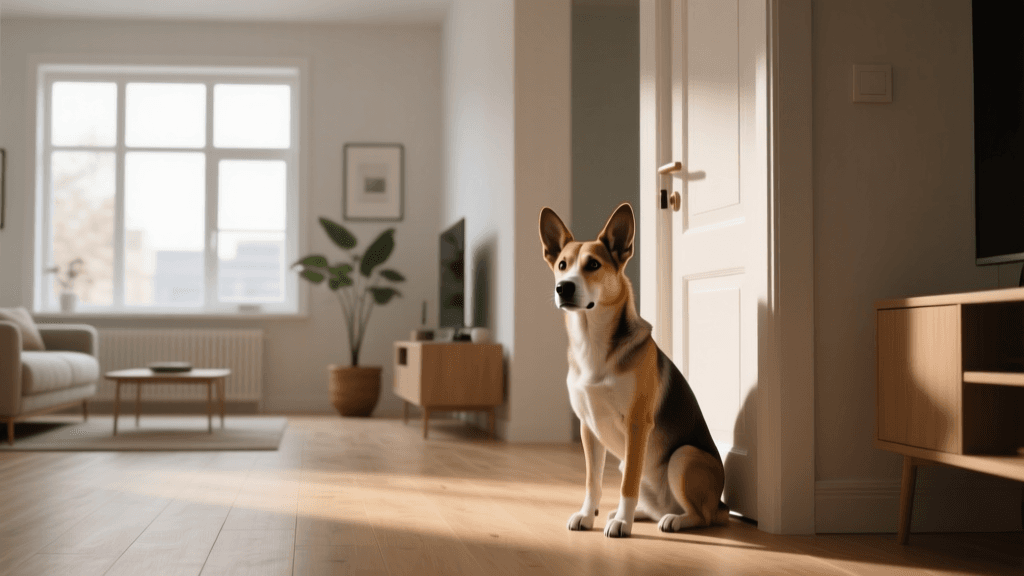
Can an Azawakh thrive in a modern urban apartment? Surprisingly, yes, provided their specific environmental needs are met. According to the Fédération Cynologique Internationale (FCI) breed standard, the Azawakh is highly adaptable to their owner's lifestyle, provided they receive adequate daily exercise. They are notorious "couch potatoes" indoors, often seeking out the warmest sunbeam or burrowing under heavy blankets due to their lack of body fat and short coats.
However, urban living requires strict management of their guarding instincts. An Azawakh in an apartment building may become reactive to noises in the hallway or the presence of strangers near the front door. Mitigating this requires proactive desensitization training and the use of white noise machines to dampen triggering acoustic stimuli. In rural settings, secure fencing of at least 6 feet is mandatory, as their vertical leaping ability is astonishing.
"The Azawakh is not a dog for everyone. They demand a profound level of emotional intelligence from their owners. You do not own an Azawakh; you partner with them." — Primitive Breed Behaviorists, 2026 Symposium
Conclusion
Understanding the Azawakh in 2026 means embracing their wild heart and respecting their ancient lineage. They are not eager-to-please servants, but rather dignified, fiercely loyal partners who will guard your home and your heart with equal intensity. By learning to read their subtle body language, providing species-appropriate cognitive enrichment, and utilizing modern safety technology like GPS tracking, you can forge an unbreakable bond with one of the world's most magnificent and exotic sighthounds. For those willing to invest the time and empathy required, the Azawakh offers a window into the pure, unadulterated soul of the primitive dog.
hannah-wickes
All our authors care for dogs every day — read more of their work on the authors page.