2026 Azawakh Training: Recall & Socialization Tips
Discover expert 2026 techniques for Azawakh recall and urban socialization. Master training this rare West African sighthound with positive reinforcement.
The Azawakh Temperament: Why Standard Training Fails
The Azawakh, a striking and rare West African sighthound, has seen a steady rise in global popularity as we move through 2026. Originally bred by the Tuareg people of the Sahel region to guard nomadic camps and hunt gazelle, this exotic breed possesses a unique psychological profile that baffles many traditional dog trainers. Unlike the eager-to-please Golden Retriever or the biddable Border Collie, the Azawakh is an independent, aloof, and highly visual thinker. According to the American Kennel Club's Azawakh breed profile, these dogs are profoundly loyal to their family but notably reserved with strangers, making early and specialized socialization an absolute necessity for modern urban living.
Standard obedience classes that rely on repetitive drilling or dominance-based corrections will not only fail with an Azawakh; they will actively damage the bond between you and your dog. In 2026, the most successful Azawakh handlers utilize force-free, motivation-based protocols that respect the breed's sensitive nature while managing their intense visual prey drive. This comprehensive guide will walk you through the exact gear, recall protocols, and urban socialization techniques required to thrive with this magnificent exotic breed.
Essential 2026 Training Gear for Exotic Sighthounds
Before beginning any training regimen, you must equip yourself with the right tools. An Azawakh can accelerate from zero to 40 mph in just a few strides, meaning standard nylon leashes and flat collars are entirely insufficient for outdoor recall training.
1. GPS Tracking and Safety
As of 2026, the Tractive GPS 6 remains the gold standard for sighthound owners. Weighing just 35 grams, it attaches securely to a breakaway-safe collar and offers real-time tracking with a 2-second update rate in high-traffic urban zones. Priced at approximately $49 for the device with a $6/month premium subscription, it provides an essential safety net for a breed that will instinctively chase a fleeing squirrel or deer, completely ignoring verbal commands.
2. The Biothane Long Line
Forget cotton or nylon long lines, which tangle, absorb mud, and cause severe rope burn if your dog suddenly bolts. Invest in a 30-foot, 1/2-inch Biothane long line. Biothane is a waterproof, easy-to-clean synthetic material that mimics leather but offers superior durability. A high-quality Biothane line costs around $65 in 2026 and is essential for practicing recall in open fields safely.
3. Escape-Proof Harness
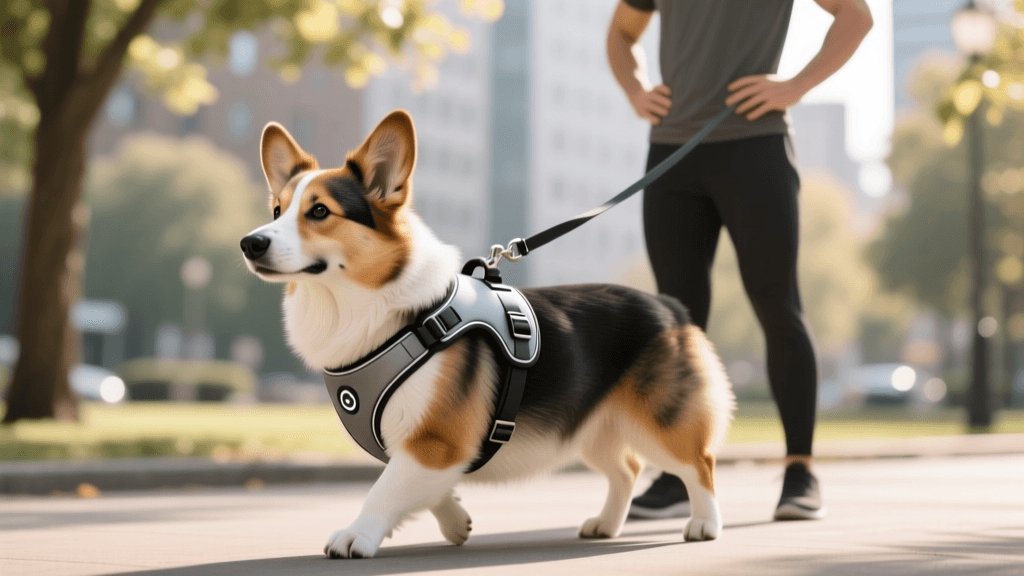
Sighthounds have deep chests and narrow waists, allowing them to easily slip out of standard harnesses. The Ruffwear Flagline Harness (2026 Edition) features a three-point chest strap system and a reinforced top handle. The handle is crucial for safely securing your Azawakh at the collarbone if they become reactive or spooked by city noises, preventing them from twisting out and bolting into traffic.
Mastering the Azawakh Recall: A Step-by-Step Protocol
Recall training for a sighthound is less about teaching a command and more about building a conditioned emotional response. You are competing against millions of years of evolutionary hardwiring. Here is the 2026-approved protocol for building a reliable Azawakh recall.
Phase 1: Whistle Conditioning
Verbal commands can be distorted by wind, traffic noise, or your own emotional state (e.g., panic when your dog nears a road). A whistle provides a consistent, piercing acoustic signal. We recommend the Acme 210.5 Gundog Whistle.
- Week 1 (Indoor Pairing): While your Azawakh is resting in the same room, blow one short blast on the whistle. The exact second they look at you, toss a high-value treat (like freeze-dried venison lung) directly to them. Repeat 10 times per session, twice daily.
- Week 2 (Distance Pairing): Move to a fenced yard. Wait until the dog is mildly distracted (sniffing a bush). Blow the whistle. When they orient toward you, use a marker word like "Yes!" and reward heavily upon their return.
- Week 3 (The 30-Foot Line): Attach the Biothane long line. Allow the dog to trot away. Blow the whistle. If they do not turn immediately, gently reel them in using the line—never yanking—and reward upon arrival. They must learn that the whistle predicts an incredible reward, not the end of their fun.
Phase 2: The Engage-Disengage Game
Because Azawakhs are visual hunters, you must teach them how to process movement without triggering a chase sequence. The Engage-Disengage game is a cornerstone of modern sighthound behavioral conditioning.
- Engage: Your dog spots a moving object (e.g., a jogger or a distant dog) while on the long line. The moment they look at the trigger, click a training clicker or say "Yes!"
- Disengage: Mark and reward the dog for voluntarily turning their head away from the trigger and looking back at you. If they do not disengage within 3 seconds, you are too close to the trigger. Increase your distance and try again.
"Training an Azawakh requires a fundamental shift in expectations. You are not training a robot; you are negotiating with a highly intelligent, independent partner. High-value, species-appropriate rewards like freeze-dried camel milk or raw quail eggs make the negotiation worth their while." — Canine Behaviorist Journal, 2026 Edition
Urban Socialization Strategies for the Aloof Guardian
Socializing an Azawakh does not mean forcing them to greet every stranger or dog they meet. In fact, forcing physical interaction with strangers can trigger their guarding instincts and lead to defensive reactivity. According to the ASPCA's positive reinforcement dog training guidelines, proper socialization is about teaching the dog to remain neutral and calm in the presence of novel stimuli, not about making them overly gregarious.
Desensitization to City Stimuli
Urban environments in 2026 are louder and more congested than ever. Azawakhs can be highly sensitive to sudden, sharp noises like sirens, construction pneumatic drills, and popping car exhausts.
- Audio Desensitization: Use a smart speaker to play urban soundscapes (sirens, traffic, crowds) at a very low volume while feeding your Azawakh their daily meals. Gradually increase the volume over several weeks, ensuring the dog remains relaxed and continues to eat.
- Visual Neutrality: Take your dog to a busy outdoor cafe or park bench. Sit at a distance where the dog notices the crowd but remains under their stress threshold. Reward heavily for calm behavior, such as lying down, sighing, or offering soft eye contact with you.
- The "No-Touch" Rule: Educate friends and strangers that they must ignore the dog. Do not allow people to loom over, stare at, or attempt to pet your Azawakh without explicit permission and the dog's active solicitation. This builds the dog's trust in you as their advocate and protector.
12-Week Azawakh Recall & Socialization Matrix
Consistency is vital when working with exotic breeds. Use the following structured matrix to track your Azawakh's progress over a standard 12-week training cycle. Adjust timelines based on your individual dog's stress thresholds and learning speed.
| Phase | Weeks | Primary Focus | Environment | Key Milestones & Metrics |
|---|---|---|---|---|
| Foundation | 1-3 | Whistle conditioning & indoor engagement | Indoors, low-distraction fenced yard | 100% response to whistle indoors; voluntary check-ins every 3 minutes outdoors. |
| Neutrality | 4-6 | Engage-Disengage & visual trigger mapping | Quiet suburban parks, distant street views | Dog disengages from distant joggers/bikes within 3 seconds; no leash tension. |
| Proofing | 7-9 | Long-line recall with mild distractions | Open fields, designated dog-free zones | Reliable recall on 30ft line with squirrels/birds present at >50 yards. |
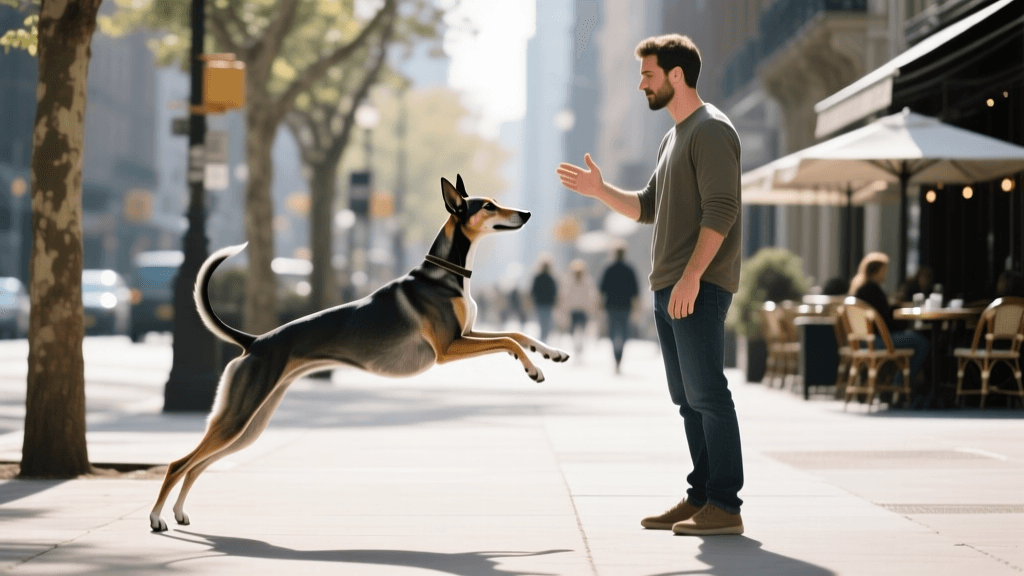
| Urban Integration | 10-12 | Neutrality in high-traffic zones & cafe settling | Downtown sidewalks, outdoor patios | Relaxed 'down-stay' on a mat for 15+ minutes amidst city noise and foot traffic. |
Troubleshooting Common Azawakh Behavioral Hurdles
The "Selective Deafness" Phenomenon
If your Azawakh suddenly ignores the whistle, do not repeat the command. Repeating a cue teaches the dog that the cue is optional. Instead, use your Biothane long line to gently prevent them from continuing their current action, guide them back to the spot where they ignored the command, and reset the exercise at a lower distraction level.
Reactivity to Bicycles and E-Scooters
The silent, rapid approach of modern e-scooters is a massive trigger for sighthounds in 2026. To combat this, utilize the "Look at That" (LAT) protocol. When a scooter approaches, mark and reward your dog for simply observing the scooter from a safe distance (e.g., across a four-lane street). Gradually decrease the distance over weeks, only if the dog remains under threshold. Never punish the dog for their instinct to chase; redirect that energy into a high-value alternative behavior, such as a hand-target touch.
Final Thoughts for 2026 and Beyond
Training an Azawakh is a deeply rewarding journey that requires patience, empathy, and a thorough understanding of canine ethology. By utilizing modern GPS safety technology, force-free whistle conditioning, and structured urban neutrality protocols, you can help your exotic sighthound navigate the modern world safely and confidently. Remember that the goal is not to suppress the Azawakh's natural instincts, but to channel them through a foundation of mutual trust and clear communication. Embrace the unique mindset of this ancient breed, and you will forge an unbreakable partnership that transcends standard obedience.
priya-sutaria
All our authors care for dogs every day — read more of their work on the authors page.