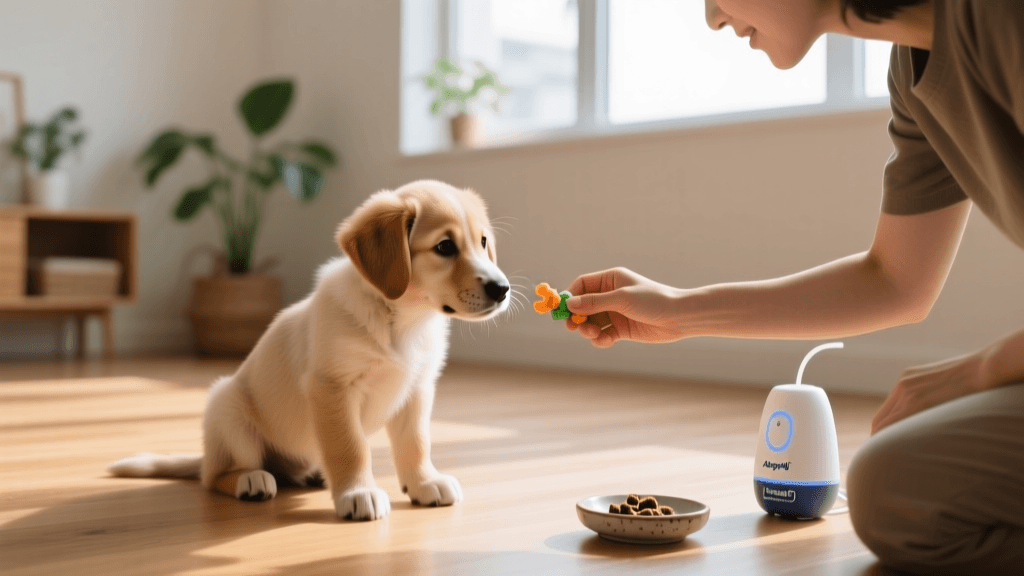
Azawakh Puppy Care 2026: Feeding & Socialization Guide
Discover essential 2026 care tips for Azawakh puppies, including specialized lean-protein diets, early socialization milestones, and teething management.
Introduction to the Azawakh: A Rare West African Sighthound
Welcome to the exclusive and deeply rewarding world of raising an Azawakh. Originating from the harsh, arid Sahel region of West Africa, the Azawakh is a striking, elegant, and fiercely loyal sighthound. Unlike more common domestic breeds, the Azawakh possesses a unique physiological and psychological profile that demands highly specialized care, particularly during the critical first year of life. As we navigate the veterinary and behavioral standards of 2026, it is clear that exotic and international breeds cannot be raised using generic, one-size-fits-all puppy manuals. Their deep chests, exceptionally low body fat percentages, and naturally aloof temperaments require a tailored approach to feeding, socialization, and environmental management.
According to the American Kennel Club's Azawakh breed profile, these dogs are not just physical athletes; they are deeply bonded companions who are naturally reserved with strangers. Raising an Azawakh puppy in 2026 means balancing their need for rigorous physical development with careful, positive psychological conditioning. This comprehensive guide will walk you through the exact feeding schedules, socialization milestones, and teething protocols required to raise a healthy, well-adjusted Azawakh in the modern era.
Specialized Feeding Schedules for Deep-Chested Puppies
The most critical health concern for any deep-chested sighthound, including the Azawakh, is Gastric Dilatation-Volvulus (GDV), commonly known as bloat. This life-threatening condition occurs when the stomach fills with gas and twists on itself. To mitigate this risk, 2026 veterinary nutrition guidelines strongly emphasize the use of slow-feeder bowls and strict post-meal rest periods. You should never allow your Azawakh puppy to engage in vigorous play, running, or jumping for at least two hours before and after meals.
Dietarily, Azawakhs thrive on high-quality, lean proteins with moderate fat content. In their native environment, their diet consisted of whatever was available, often lean meats and grains. Today, premium kibble formulas designed for active, lean breeds or carefully balanced raw diets are the gold standard. Avoid high-carbohydrate, filler-heavy diets, as these can contribute to rapid, unhealthy growth spurts that stress developing joints. When selecting a slow feeder in 2026, look for models with intricate, multi-level ridges that force the puppy to forage, significantly slowing their eating pace and reducing air ingestion.
Azawakh Puppy Feeding Schedule & Portion Guide (Months 2 to 12)
The following table outlines the recommended feeding framework for an Azawakh puppy. Note that portions are estimates based on a high-protein, nutrient-dense kibble (approx. 380-420 kcal/cup). Always adjust based on your puppy's specific body condition score and your veterinarian's advice.
| Age (Months) | Meals Per Day | Estimated Daily Portion | Key Nutritional Focus |
|---|---|---|---|
| 2 - 3 | 3 | 1.5 - 2.0 Cups | DHA for brain development, highly digestible proteins |
| 4 - 5 | 3 | 2.0 - 2.5 Cups | Calcium/Phosphorus balance for long-bone growth |
| 6 - 8 | 2 | 2.5 - 3.0 Cups | Lean muscle support, joint supplements (glucosamine) |
| 9 - 12 | 2 | 3.0 - 3.5 Cups | Maintenance of lean body mass, omega fatty acids for coat |
For a deeper understanding of the warning signs of this condition, we highly recommend reviewing the AKC's comprehensive guide on canine bloat, which details the emergency symptoms every sighthound owner must memorize.
Early Socialization: Navigating the Aloof Sighthound Temperament
Azawakhs are famously independent and naturally suspicious of strangers. While this makes them exceptional watchdogs, it can lead to fear-based reactivity if they are not properly socialized during their critical developmental windows. The socialization period for puppies peaks between 3 and 14 weeks of age. During this time, the goal is not to force your Azawakh to love every person they meet, but rather to teach them to remain neutral, calm, and confident in the presence of novel stimuli.
In 2026, certified canine behaviorists advocate for the "Observation and Choice" method for exotic, reserved breeds. Instead of passing your puppy around to strangers, allow the puppy to observe the environment from a safe distance, such as a park bench or a mat. Reward calm observation with high-value treats like freeze-dried liver or boiled chicken. If a stranger approaches, instruct them to ignore the puppy completely—no eye contact, no reaching, and no talking. This removes the social pressure and allows the Azawakh to process the interaction without feeling cornered.
The 2026 Socialization Checklist for Azawakhs
- Surface Variety: Walk your puppy on grass, gravel, metal grates, and smooth indoor tiles to build confidence in their foot placement.
- Auditory Desensitization: Play recordings of city traffic, thunderstorms, and household appliances at low volumes while feeding meals to create positive associations.
- Visual Stimuli: Expose them to people wearing hats, sunglasses, heavy coats, and carrying umbrellas or walking sticks.
- Handling Exercises: Gently handle their paws, ears, and muzzle daily to prepare them for veterinary exams and grooming.
Consistent, positive exposure during these early months is the bedrock of a stable adult dog. The ASPCA's foundational puppy care guidelines emphasize that positive reinforcement during these early weeks drastically reduces the incidence of behavioral surrender in adolescence.
Teething and Jaw Development in Lean Breeds
Azawakh puppies possess long, narrow jaws that are highly efficient for gripping but can be sensitive during the teething phase, which typically spans from 3 to 6 months of age. As their adult teeth erupt, puppies will experience significant gum discomfort and an intense urge to chew. Providing inappropriate items can lead to dental fractures or the ingestion of dangerous foreign bodies.
For an Azawakh, avoid excessively hard materials like natural antlers, weight-bearing bones from large livestock, or hard nylon toys that do not yield slightly under pressure. In 2026, veterinary dentists recommend toys with a slight "give" when pressed with a thumbnail. Solid rubber toys, such as the classic Kong, stuffed with a mixture of plain pumpkin puree and low-sodium bone broth and then frozen, provide excellent soothing relief for inflamed gums. Additionally, edible dental chews formulated with enzymatic cleaners can help maintain oral hygiene while satisfying the chewing instinct. Always supervise your puppy with any chew toy to ensure they are not breaking off and swallowing large pieces.
Potty Training and Temperature Regulation
One of the most surprising challenges for new Azawakh owners in cooler climates is potty training. Unlike double-coated breeds such as the Siberian Husky or the Golden Retriever, the Azawakh has an incredibly short, fine coat and virtually no insulating body fat. They feel the cold acutely. If you live in a region with harsh winters or chilly, damp autumns, your Azawakh puppy may flatly refuse to go outside to eliminate, which can severely derail your potty training progress.
To combat this, invest in a high-quality, water-resistant puppy coat that covers their deep chest and abdomen. When taking them out for a potty break, keep the excursion brief and highly rewarding. Use a specific verbal cue, such as "go potty," and the moment they eliminate, immediately reward them with a high-value treat and enthusiastic praise before heading back into the warmth of the house. If the weather is truly severe, consider setting up an indoor grass patch or a specialized litter area in a garage or enclosed patio as a temporary backup. However, maintain the outdoor routine as much as possible to ensure they learn the ultimate goal of outdoor elimination.
Conclusion: Patience and Partnership
Raising an Azawakh puppy is a masterclass in patience, observation, and mutual respect. They are not eager-to-please golden retrievers; they are ancient, dignified hounds who require a leader who understands their unique physical and emotional needs. By adhering to specialized 2026 feeding protocols to protect their deep chests, employing low-pressure socialization techniques to nurture their confident but reserved minds, and accommodating their sensitivity to the elements, you will forge an unbreakable bond. The first year of an Azawakh's life sets the foundation for a decade or more of profound loyalty and breathtaking elegance.
jonas-cole
All our authors care for dogs every day — read more of their work on the authors page.