Reactive Puppy Training 2026: Calming Aids & Fear Periods
Manage reactive puppy fear periods in 2026 using Adaptil calming aids, L-theanine treats, and the engage-disengage training method for lasting confidence.
Understanding the Science of Puppy Fear Periods
Raising a puppy is a joyous journey, but it can quickly become overwhelming if your young dog begins to display signs of fear, anxiety, or early reactivity. In 2026, veterinary behaviorists emphasize that early intervention during a puppy's developmental stages is critical for preventing lifelong behavioral issues. Unlike adult dogs with entrenched aggression, puppy reactivity is almost always rooted in fear, confusion, or a lack of proper socialization during crucial developmental windows.
To effectively manage a reactive puppy, owners must first understand the concept of 'fear periods.' Puppies typically experience two primary fear periods: the first occurs between 8 and 11 weeks of age, and the second, often more intense period, happens between 6 and 14 months. During these windows, a puppy's brain is highly plastic, and negative experiences can create lasting phobias. According to the American Kennel Club's expert guidelines on puppy fear periods, a single traumatic event during these weeks can profoundly impact a dog's future behavior. Recognizing the signs of a fear period—such as sudden hesitation, tail tucking, barking at previously ignored stimuli, or refusing to walk—is the first step in compassionate, effective management.
Top Calming Aids for Reactive Puppies in 2026
When a puppy is in a heightened state of anxiety, their cortisol levels spike, making learning and positive socialization nearly impossible. Before attempting any training, you must lower your puppy's stress baseline. The market for canine anxiety management has evolved significantly, and in 2026, several evidence-backed calming aids are considered gold standards by veterinary professionals.
1. Pheromone Therapy (Adaptil Junior)
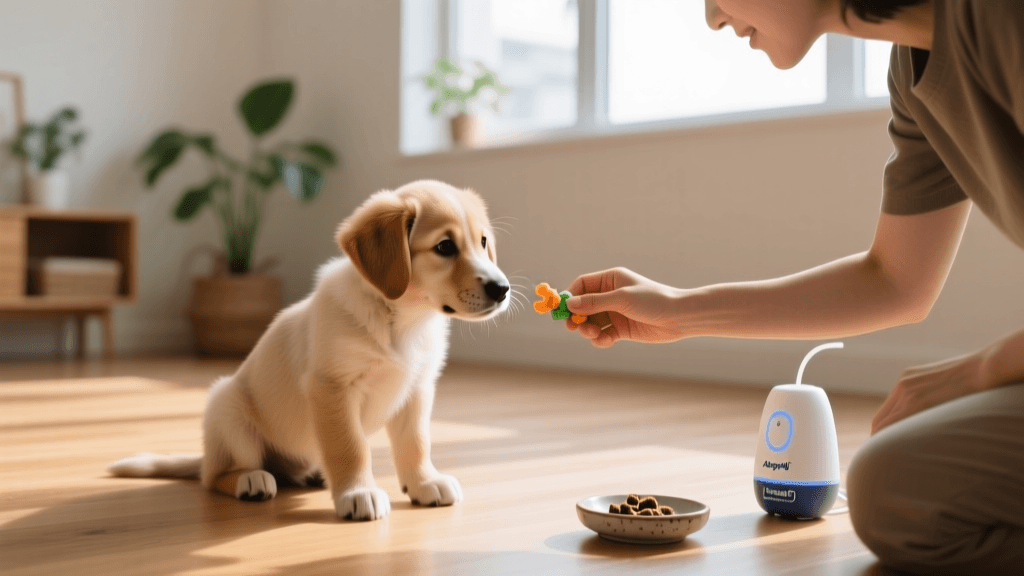
Synthetic dog-appeasing pheromones (DAP) mimic the comforting pheromones produced by a nursing mother dog. Adaptil Junior collars and diffusers are specifically formulated for puppies, helping to reduce crying, whining, and fear-based reactivity during the transition to a new home and throughout the first fear period.
2. Nutraceuticals and L-Theanine Supplements
Supplements containing L-theanine, L-tryptophan, and milk-derived proteins (like alpha-casozepine) actively promote neurotransmitter balance in the brain. Products like Zylkene and Solliquin are highly recommended for daily use during the second fear period (6-14 months) to keep reactive puppies under their stress threshold.
3. Compression Wearables
For puppies exhibiting severe environmental anxiety (such as fear of thunderstorms, fireworks, or chaotic urban environments), compression garments like the ThunderShirt provide gentle, constant pressure that stimulates the parasympathetic nervous system, promoting a natural calming effect.
Comparison of 2026 Puppy Calming Aids
| Product Type | Active Ingredient/Mechanism | Best Use Case | Onset Time | Est. 2026 Cost |
|---|---|---|---|---|
| Adaptil Junior Collar | Synthetic DAP (Pheromones) | General anxiety, first fear period | 24-48 hours | $25 - $35 |
| Zylkene Capsules | Alpha-casozepine (Milk protein) | Acute stress, vet visits, second fear period | 1-2 hours | $30 - $45 |
| Solliquin Chews | L-theanine, L-tryptophan | Daily maintenance for reactive puppies | 3-4 weeks (daily use) | $35 - $50 |
| ThunderShirt Puppy | Deep pressure therapy | Storm phobias, loud environments | Immediate | $45 - $55 |
The Engage-Disengage Game: A Step-by-Step Guide
Once your puppy's baseline anxiety is managed with appropriate aids, you can begin counter-conditioning. The most effective, force-free method for managing early leash reactivity and fear-based barking is the 'Engage-Disengage' game. This technique teaches your puppy that the presence of a trigger (another dog, a stranger, a loud truck) predicts a high-value reward, rather than a reason to panic.
Step 1: Find the Threshold Distance
Your puppy's threshold is the distance at which they notice a trigger but do not react with barking, lunging, or freezing. For some puppies, this might be 20 feet; for others, it might be 100 feet. If your puppy is barking, you are too close. Training must happen sub-threshold.
Step 2: Mark the 'Engage'
When your puppy looks at the trigger (engages), immediately use a marker word like 'Yes!' or click a clicker. At this stage, you are marking the act of noticing the trigger without reacting. After marking, feed a high-value treat (like boiled chicken or freeze-dried liver). Repeat this until your puppy begins to look at the trigger and then immediately turn their head toward you, anticipating the treat.
Step 3: Mark the 'Disengage'
Once your puppy reliably looks at the trigger and then back at you, you move to Phase Two. Now, wait for the puppy to look at the trigger, and do not mark immediately. Wait for them to voluntarily look away from the trigger (disengage) and make eye contact with you. Mark that disengagement with 'Yes!' and reward heavily. This rewires the puppy's brain to view triggers as a cue to check in with their owner rather than a threat to bark at.
Pro Tip: Keep training sessions under 5 minutes. Reactive puppies suffer from 'trigger stacking,' where cumulative stress throughout the day lowers their threshold, making them more reactive in the evening.
Decompression Walks and Environmental Management
In 2026, modern dog training heavily advocates for 'decompression walks' (often called sniffaris) as a vital tool for anxious and reactive puppies. Traditional heel-walking in highly stimulating urban environments can overwhelm a fearful puppy, leading to leash frustration and reactivity.
A decompression walk involves taking your puppy to a quiet, low-traffic natural area (like a field or empty park) and attaching them to a 15-to-30-foot biothane long line paired with a well-fitted Y-front harness. This setup provides safety while allowing the puppy to roam, sniff, and explore at their own pace. Sniffing is a naturally soothing activity for dogs; it lowers their heart rate and allows them to process environmental information without the pressure of direct interaction. Incorporating at least three decompression walks a week can drastically reduce overall reactivity and build a fearful puppy's confidence in their environment.
When to Seek Professional Behavioral Help
While many puppy fear periods can be managed at home with patience, calming aids, and the engage-disengage game, some cases require professional intervention. If your puppy displays severe panic, aggressive biting, or an inability to eat treats even in low-stress environments, it is time to consult a professional.
It is crucial to avoid outdated, dominance-based training methods, which can exacerbate fear and destroy the trust between you and your puppy. Instead, seek out a certified behavior consultant who utilizes modern, science-based, force-free methodologies. The International Association of Animal Behavior Consultants (IAABC) maintains a global directory of certified professionals who specialize in early puppy development and fear-based reactivity. Additionally, the American Veterinary Society of Animal Behavior (AVSAB) provides excellent resources and position statements on the humane treatment of behavioral issues, ensuring your puppy receives care aligned with the latest 2026 veterinary standards.
Conclusion
Managing a reactive puppy requires empathy, patience, and a strategic approach. By understanding the biological reality of fear periods, utilizing modern calming aids like Adaptil and L-theanine supplements, and implementing structured counter-conditioning games, you can guide your anxious puppy through their developmental hurdles. Remember that early reactivity is not a life sentence; with consistent, positive management, your puppy can grow into a confident, well-adjusted adult dog ready to navigate the world by your side.
jonas-cole
All our authors care for dogs every day — read more of their work on the authors page.