2026 Azawakh Health Guide: Diet, Joints & Vet Care
Discover the 2026 Azawakh health guide covering specialized nutrition, joint care, autoimmune management, and sighthound anesthesia tips.
The Exotic Azawakh: Understanding the West African Sighthound
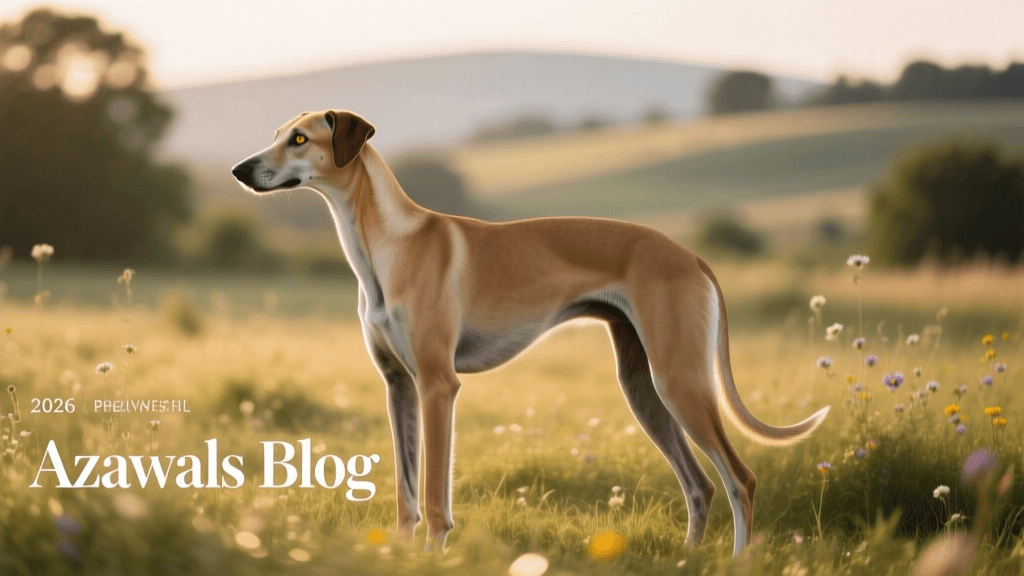
The Azawakh is a striking, ancient sighthound originating from the Sahel region of West Africa, specifically Mali, Niger, and Burkina Faso. Known for their incredibly lean physique, deep chests, and elegant gait, these dogs were traditionally bred by nomadic Tuareg people for hunting and guarding. As their popularity continues to rise globally in 2026, more dog enthusiasts are welcoming this exotic breed into their homes. However, owning an Azawakh requires a deep understanding of their unique physiological and medical needs. According to the American Kennel Club, the Azawakh is not just a visual marvel but a breed with specific health vulnerabilities that differ vastly from more common domestic breeds.
2026 Nutritional Strategies for the Azawakh
Feeding an Azawakh in 2026 requires moving away from generic, high-carbohydrate commercial kibbles. Sighthounds possess a unique metabolism that thrives on high-quality animal proteins and healthy fats, while struggling to process heavy loads of simple carbohydrates. Veterinary nutritionists currently recommend a diet comprising at least 30% crude protein and 20% crude fat, derived from novel sources to minimize the risk of food sensitivities and autoimmune triggers.
Novel Proteins and Autoimmune Management
Because the Azawakh is genetically predisposed to certain autoimmune conditions, feeding novel proteins—such as kangaroo, venison, or even the increasingly popular insect-based proteins trending in 2026—can help prevent the onset of inflammatory bowel responses. Insect-based diets, rich in lauric acid and highly digestible, have become a staple for Azawakh owners managing sensitive digestive tracts.
Preventing Gastric Dilatation-Volvulus (GDV)
Like many deep-chested breeds, the Azawakh is at a significantly higher risk for Gastric Dilatation-Volvulus, commonly known as bloat. This is a life-threatening emergency where the stomach fills with gas and twists. The ASPCA emphasizes that preventive measures are critical for deep-chested breeds. To mitigate this risk in 2026, Azawakh owners should adhere to the following feeding protocols:
- Meal Frequency: Feed two to three smaller meals per day rather than one large meal.
- Rest Periods: Enforce a strict one-hour rest period before and after eating; no vigorous running or playing.
- Slow Feeders: Utilize ceramic or stainless-steel slow-feeder bowls to prevent rapid inhalation of food and air.
- Prophylactic Surgery: Discuss prophylactic gastropexy with your veterinarian, a surgical procedure that tacks the stomach to the abdominal wall to prevent twisting.
Autoimmune Vigilance and Dermatological Care
The Azawakh's coat is incredibly short and fine, with skin that is notably thin and sensitive. This makes them susceptible to environmental allergens, abrasions, and autoimmune skin disorders. In 2026, veterinary dermatologists have noted an increase in breed-specific alopecia and lupoid conditions in exotic sighthounds, making proactive skin care a necessity rather than a luxury.
Common Azawakh Skin and Autoimmune Issues
| Condition | Primary Symptoms | 2026 Preventive Strategy |
|---|---|---|
| Idiopathic Epilepsy | Seizures, disorientation | Routine neurological screenings; CBD oil therapy under vet supervision. |
| Autoimmune Thyroiditis | Weight gain, lethargy, hair loss | Annual full thyroid panels (not just T4); early hormone replacement. |
| Eosinophilic Myositis | Jaw pain, muscle atrophy | Immediate immunosuppressive therapy; soft-food diets during flare-ups. |
| Contact Dermatitis | Redness, hives, scratching | Hypoallergenic oatmeal baths; avoidance of harsh chemical lawn treatments. |
To protect their delicate skin, Azawakhs require canine-specific sunscreen when spending extended periods outdoors in sunny climates. Furthermore, bathing should be limited to once every six to eight weeks using pH-balanced, veterinary-formulated shampoos that preserve the skin's natural lipid barrier.
Joint Health, Muscle Maintenance, and Cold Weather Gear
Despite their athletic prowess, Azawakhs have very little body fat and lack an insulating undercoat. This makes them highly sensitive to cold temperatures and prone to joint stiffness in damp or chilly environments. Maintaining their musculoskeletal health in 2026 involves a combination of targeted supplementation, environmental management, and specialized gear.
Orthopedic Support and Temperature Regulation
Because they have minimal natural padding over their bony prominences, Azawakhs are prone to pressure sores and joint discomfort if forced to sleep on hard surfaces. Investing in a high-quality orthopedic bed is non-negotiable. In 2026, premium orthopedic beds featuring cooling gel and memory foam layers—such as the updated Big Barker models—cost between $250 and $350 but are essential for preventing elbow hygromas and hip soreness.
When temperatures drop below 50°F (10°C), Azawakhs require insulated dog coats. Brands like Hurtta and Ruffwear offer 2026 sighthound-specific designs that accommodate their deep chests and long legs without restricting their galloping stride. Layering a fleece base under a waterproof, windproof shell is the recommended protocol for winter walks.
Joint Supplements
To support their long, slender limbs, daily supplementation with Omega-3 fatty acids (specifically EPA and DHA from wild-caught fish oil) and Green-Lipped Mussel extract is highly recommended. These supplements reduce systemic inflammation and support synovial fluid health, ensuring the Azawakh maintains its legendary agility well into its senior years.
Veterinary Care: The Sighthound Anesthesia Protocol
One of the most critical aspects of Azawakh health and wellbeing is their unique reaction to anesthesia. Sighthounds, including the Azawakh, have a higher proportion of fast-twitch muscle fibers and lower body fat percentages, which drastically alters how they metabolize anesthetic drugs. Standard anesthesia protocols used for mixed-breed dogs can lead to prolonged recovery times, hypothermia, and even fatal complications in Azawakhs.
According to the Washington State University Veterinary Teaching Hospital, sighthounds require specialized anesthetic protocols. Propofol and isoflurane are generally considered safe and effective, whereas barbiturates like thiopental should be strictly avoided. Before scheduling any elective procedure, including dental cleanings or spay/neuter surgeries, Azawakh owners must verify that their veterinary clinic has documented experience with sighthound anesthesia and utilizes active warming devices during surgery to prevent dangerous drops in core body temperature.
Genetic Screening and Preventive Vet Visits in 2026
The landscape of canine genetic testing has advanced remarkably by 2026. For exotic breeds like the Azawakh, where the gene pool remains relatively small outside of Africa, comprehensive DNA screening is a cornerstone of preventive health. Modern panels can now identify markers for idiopathic epilepsy, autoimmune thyroiditis, and specific cardiac anomalies that were previously difficult to predict.
Owners should schedule bi-annual wellness exams that include a complete blood count (CBC), comprehensive metabolic panel, and a specialized thyroid profile. Because Azawakhs naturally have lower red blood cell counts and higher resting heart rates than some other breeds, it is vital that your veterinarian is familiar with sighthound baseline values to avoid misdiagnosing a healthy dog with anemia or tachycardia.
Conclusion
The Azawakh is a breathtaking, deeply loyal, and profoundly unique breed that demands an educated, proactive approach to health and wellbeing. By embracing 2026's advancements in novel protein nutrition, adhering to strict bloat prevention protocols, managing their sensitive skin and autoimmune risks, and ensuring sighthound-safe veterinary care, owners can help their exotic companions thrive. Understanding the intricate needs of this West African treasure is the first step toward a long, vibrant, and active life together.
aaron-whyte
All our authors care for dogs every day — read more of their work on the authors page.